How to Bake Ciabatta at Home
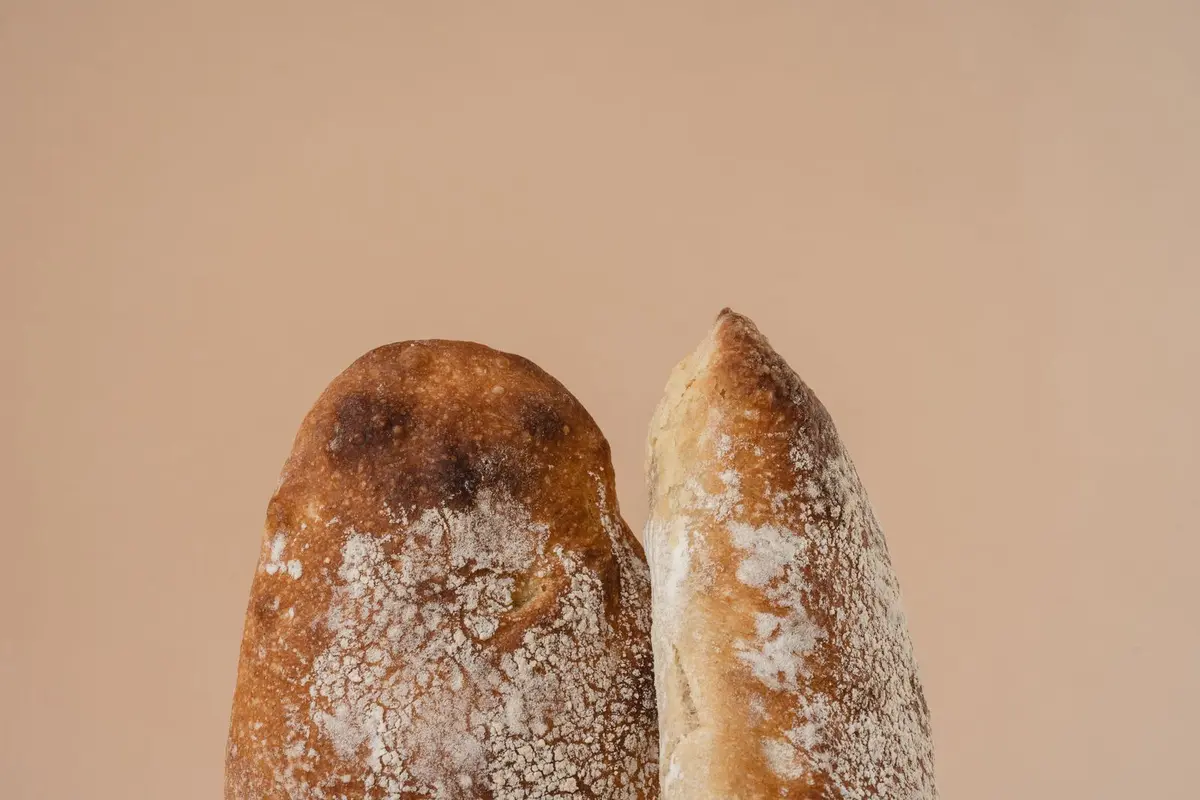
Ciabatta is all about timing and wet dough. Mix flour, water, salt, and yeast into a sticky mess that feels wrong but is exactly right. Let it rise slowly, fold it gently three times during the first rise, then shape into rustic loaves and bake on a hot stone or heavy pan. The key is resisting the urge to add more flour.
- Difficulty
- Medium
- Total time
- 15 hr 45 min
- Hands-on
- 30 min
- Serves
- 2
- You will need
- baking stone or heavy sheet pan, bench scraper, wooden spoon, parchment paper, kitchen scale (optional but recommended)
Ingredients
- 1/2 cup bread flour
- 1/2 cup water
- 1/8 teaspoon instant yeast
- 2 cups bread flour
- 3/4 cup plus 2 tablespoons warm water
- 1 teaspoon instant yeast
- 1 1/2 teaspoons salt
- 1 cup hot water
Step by step
Build your preferment overnight
Combine 1/2 cup bread flour, 1/2 cup water, and 1/8 teaspoon instant yeast. Mix until smooth, cover, and let sit at room temperature for 12-16 hours until bubbly and doubled.
Combine preferment with flour and water
In a large bowl, mix the preferment with 2 cups bread flour, 3/4 cup plus 2 tablespoons warm water, 1 teaspoon instant yeast, and 1 1/2 teaspoons salt. Stir with a wooden spoon until you have a shaggy, very wet dough.
Fold the dough four times over two hours
Cover and let rise for 2 hours. Every 30 minutes, wet your hands and fold the dough over itself from four sides, lifting and stretching gently. The dough will become smoother and stronger with each fold.
Divide dough and form into two loaves
Turn the dough onto a heavily floured surface. Divide in half with a bench scraper. Gently stretch each piece into a rough rectangle, then fold into thirds like a letter. Place seam-side down on parchment paper.
Let shaped loaves proof until light
Cover loosely and let rise for 45-60 minutes until puffy but not doubled. The loaves should feel light and airy when gently poked.
Heat your oven and stone
Place a baking stone or heavy sheet pan on the middle rack and preheat oven to 450°F for at least 30 minutes. Put an empty metal pan on the bottom rack.
Bake with steam until deep golden brown
Slide the parchment with loaves onto the hot stone. Immediately pour 1 cup hot water into the empty pan and close the oven. Bake for 25-30 minutes until golden brown and hollow-sounding when tapped.
Questions people ask
Why is my ciabatta dough so sticky?
It's supposed to be sticky. Ciabatta's open, airy texture comes from high water content. Resist adding more flour—use wet hands and work quickly instead.
Can I make ciabatta without a baking stone?
Yes, use an inverted heavy sheet pan or cast iron skillet. Preheat it the same way you would a stone.
How do I know when the ciabatta is done?
The crust should be golden brown and sound hollow when you tap the bottom. Internal temperature should reach 200°F if you want to be precise.
Why didn't my ciabatta have big holes?
Usually because the dough was overworked or had too much flour added. Handle gently and keep the dough wet and loose.
Tips
- Use a kitchen scale if you have one—ciabatta dough should be about 80% hydration, which feels shockingly wet
- Wet hands are your friend for handling this sticky dough—dry hands will just make a mess
- The dough will look like it's not working until the third or fourth fold—trust the process
- A bench scraper is essential for dividing the dough without deflating it
- Don't skip the steam—it creates the characteristic crispy crust
- Let the bread cool completely before slicing or the crumb will be gummy
Variations
- Olive Ciabatta: Fold in 1/2 cup chopped Kalamata olives during the final fold of the first rise.
- Herb Ciabatta: Add 2 tablespoons fresh chopped rosemary and thyme to the dough with the salt.
- Same-Day Ciabatta: Skip the preferment and use 1 teaspoon instant yeast in the main dough. Extend first rise to 3 hours with folds every 45 minutes.
More baking: Italian baking, baking and American dessert bakes.