Play it properly.
49 guides across 7 sections.
Featured
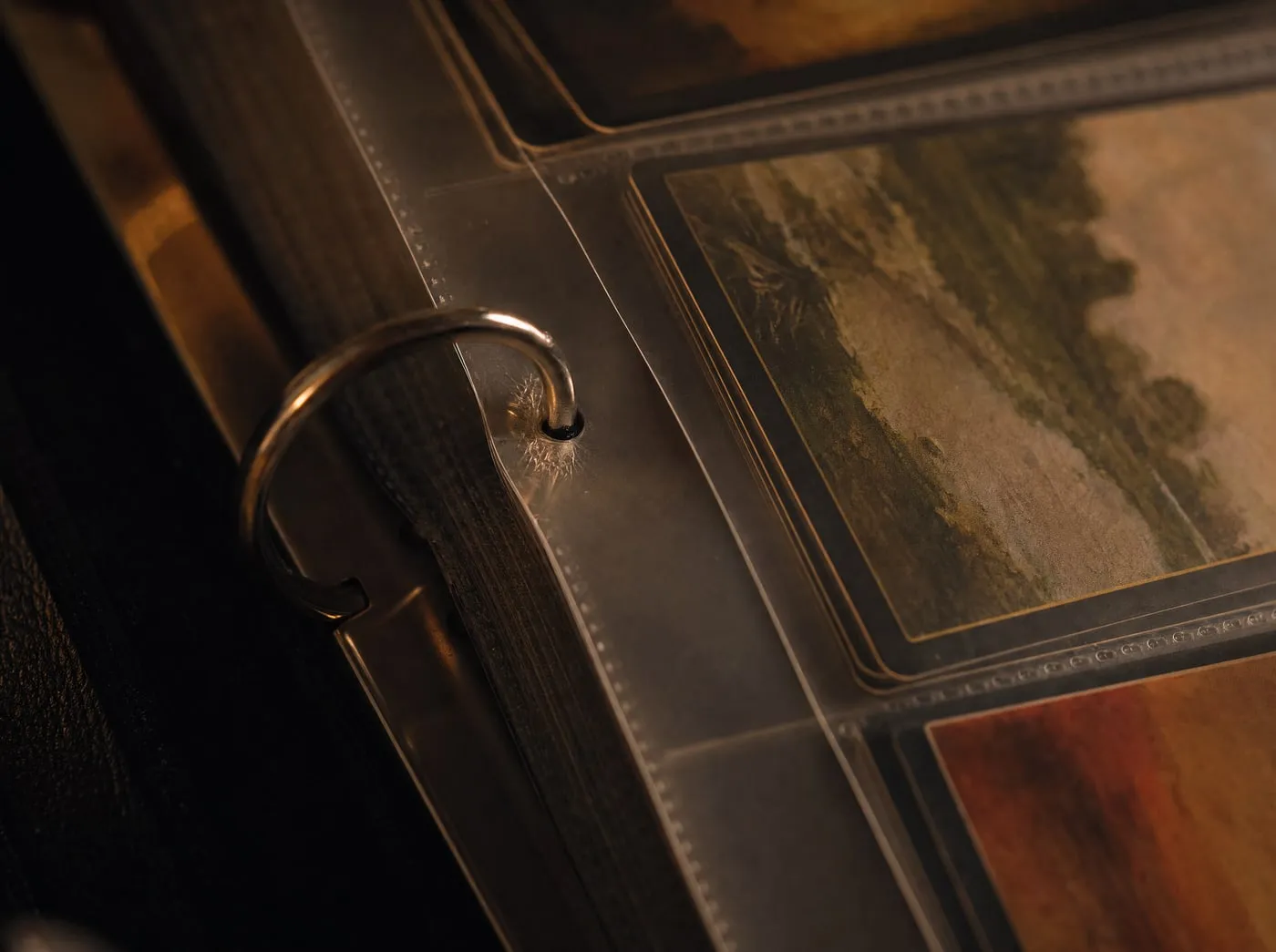
How to Choose a Binder That Will Not Damage the Pages
A closed binder is a clamp. Which ring shape leaves crescent dents, which way the pockets should open, the three plastics to look for and the one to refuse, and the fill arithmetic nobody does in the shop.
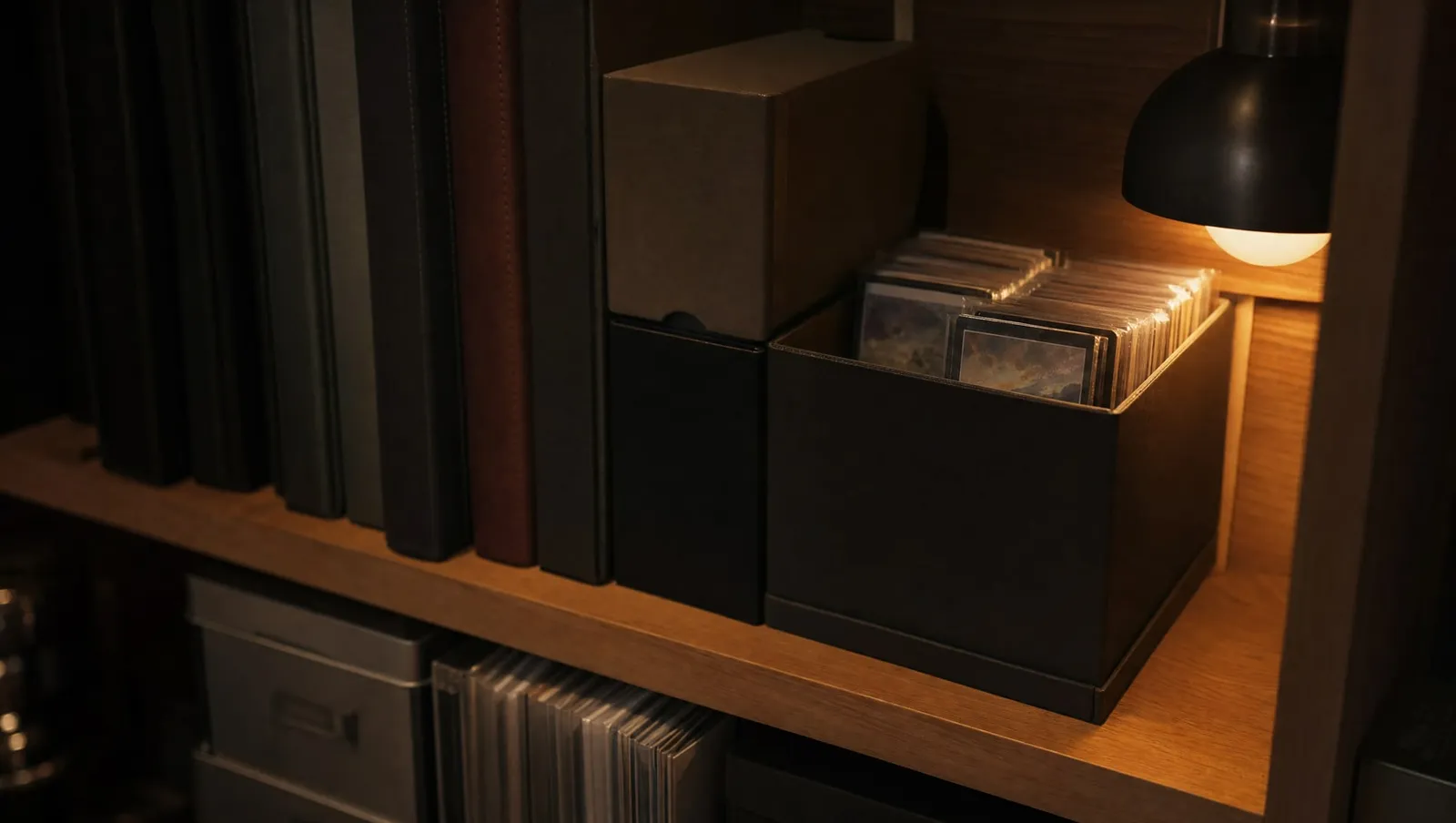
How to Store Cards in a Room That Gets Damp
A damp room is not damp all over. Where the humidity actually sits, why a cold outside wall reads twenty points higher than the middle of the floor, how to measure it, and when sealing a box makes things worse.
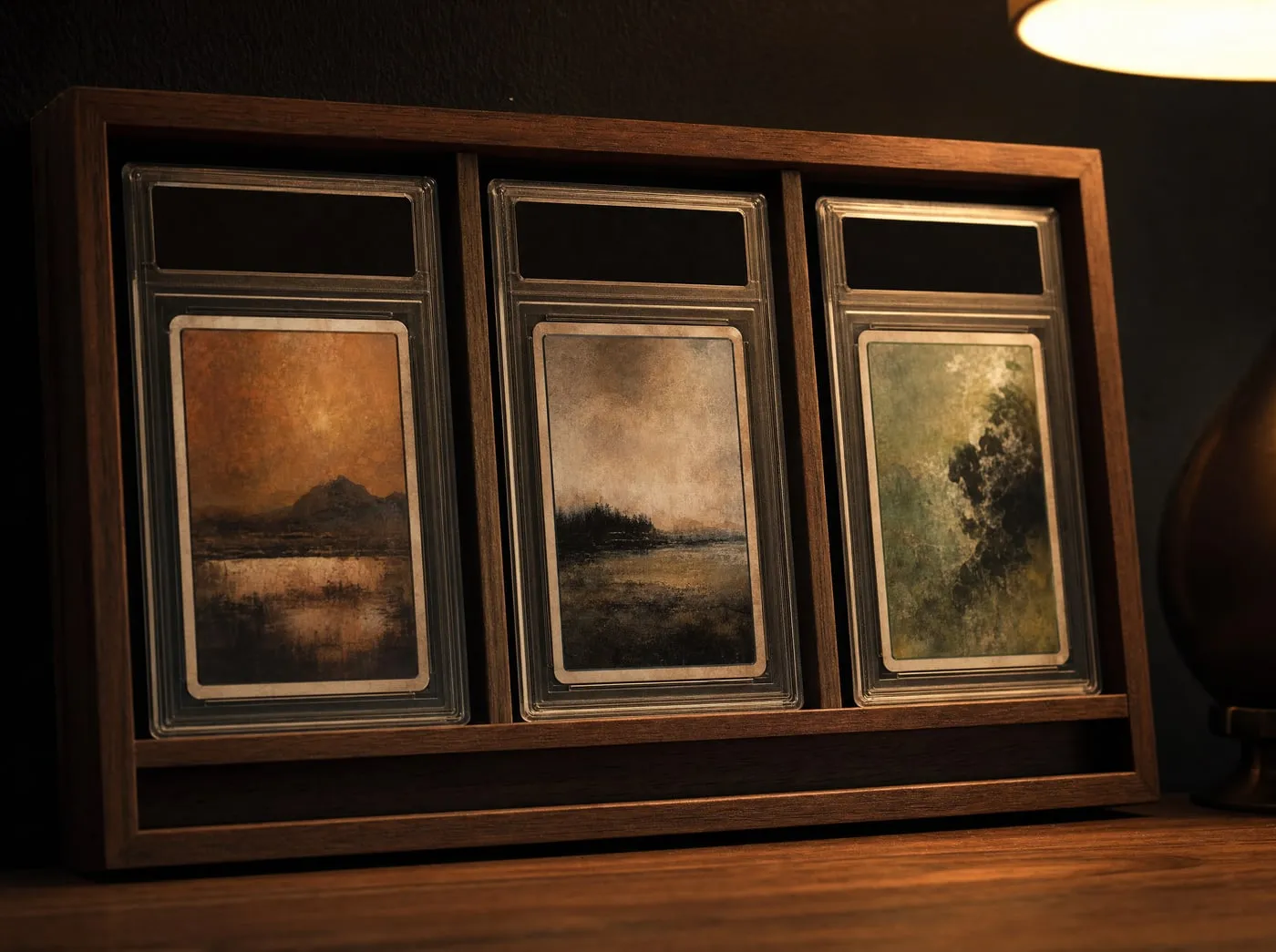
How to Display Slabs Without Fading Them
A slab seals a card but does not filter light. How to measure the light dose in your own room in lux-hours, what UV-filtering glazing does and does not buy you, and the four moves that cut fading fastest.
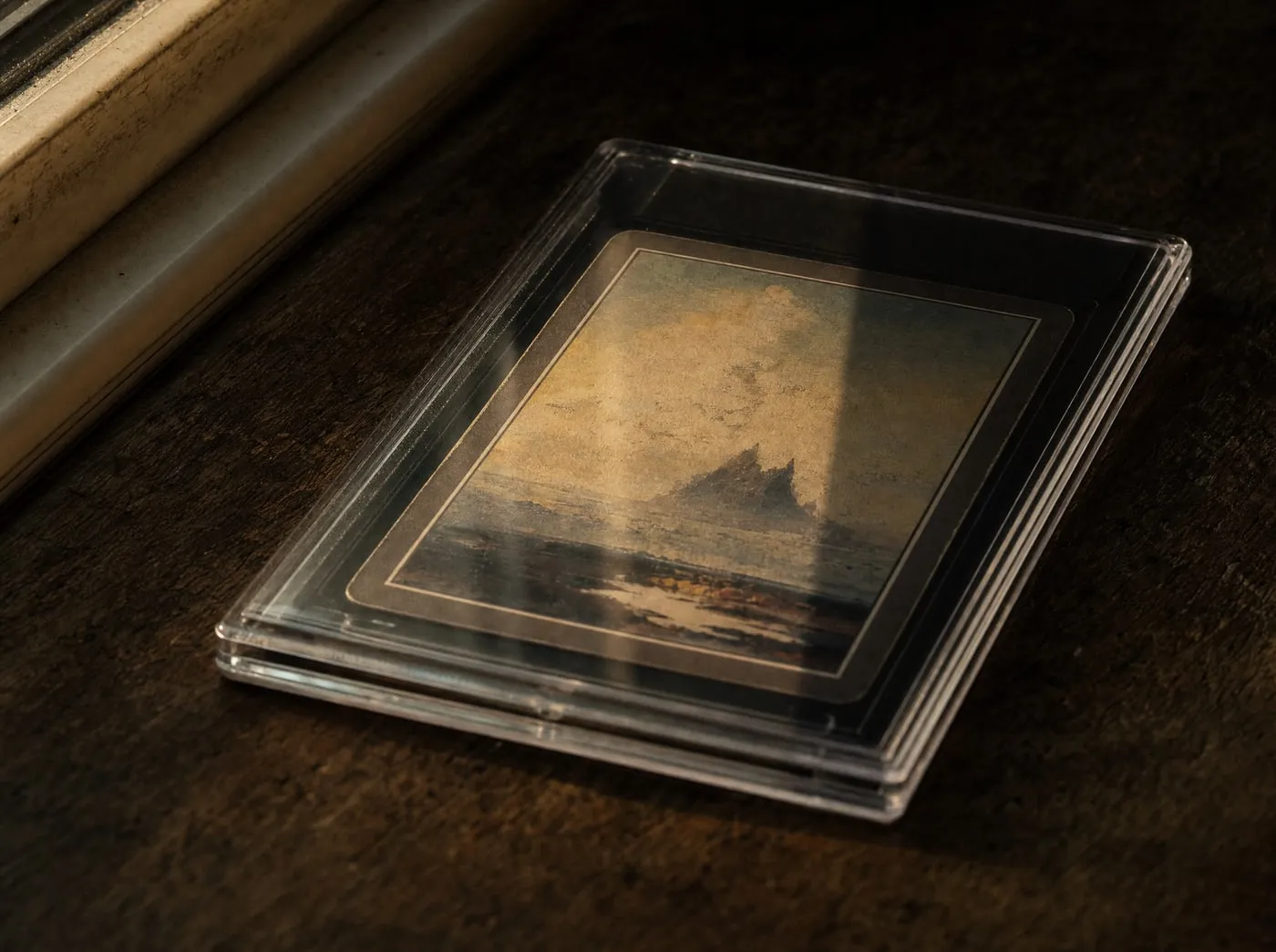
How to Frame a Raw Card Safely
Framing an ungraded card without wrecking it: the air gap that holds the card off the glazing, why nothing adhesive may ever touch it, how to spend a frame's rebate depth, and what conservation glazing does and does not stop.
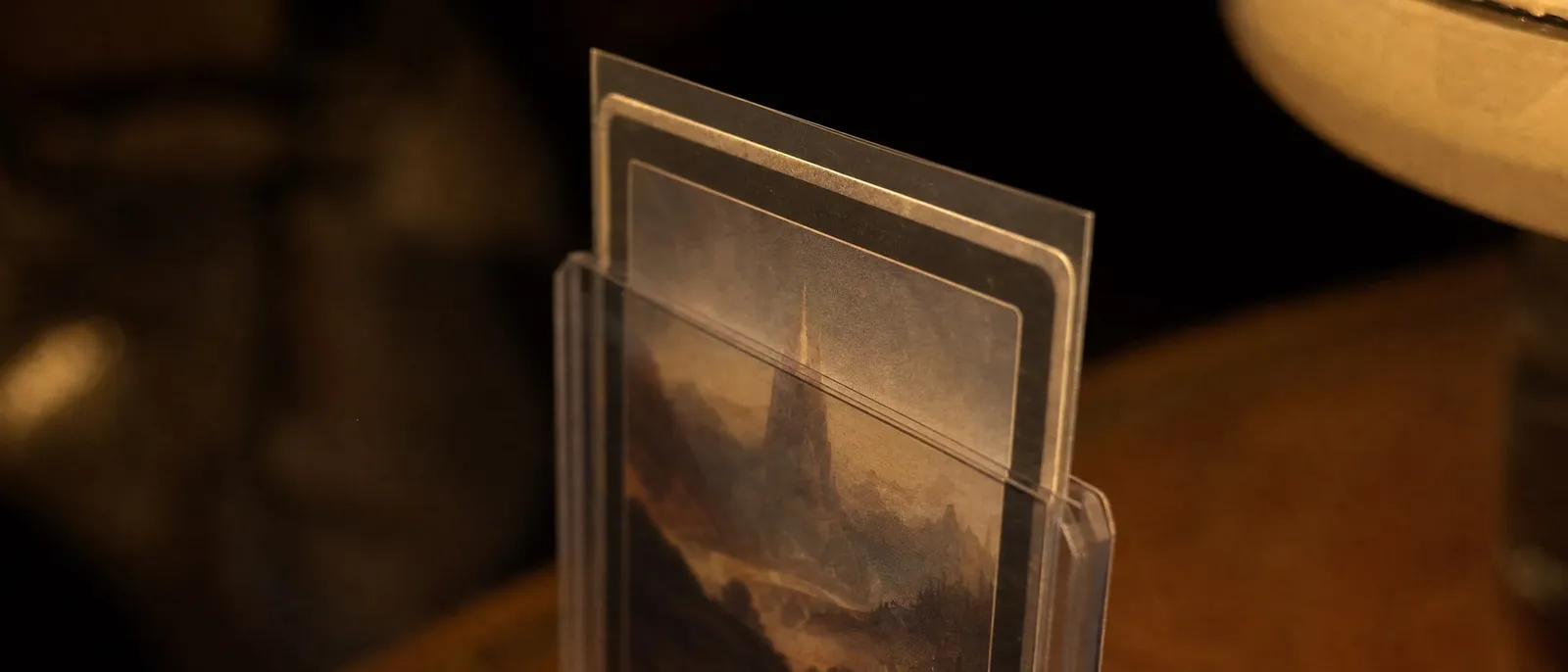
How to Choose Between a Penny Sleeve and a Perfect Fit
A penny sleeve is 66.7 by 92.1 mm and a perfect fit is 64 by 89, on a card that is 63.5 by 88.9. What that slack is for, which of the two is allowed to be the only thing on the card, and how to read the packet instead of the brand.
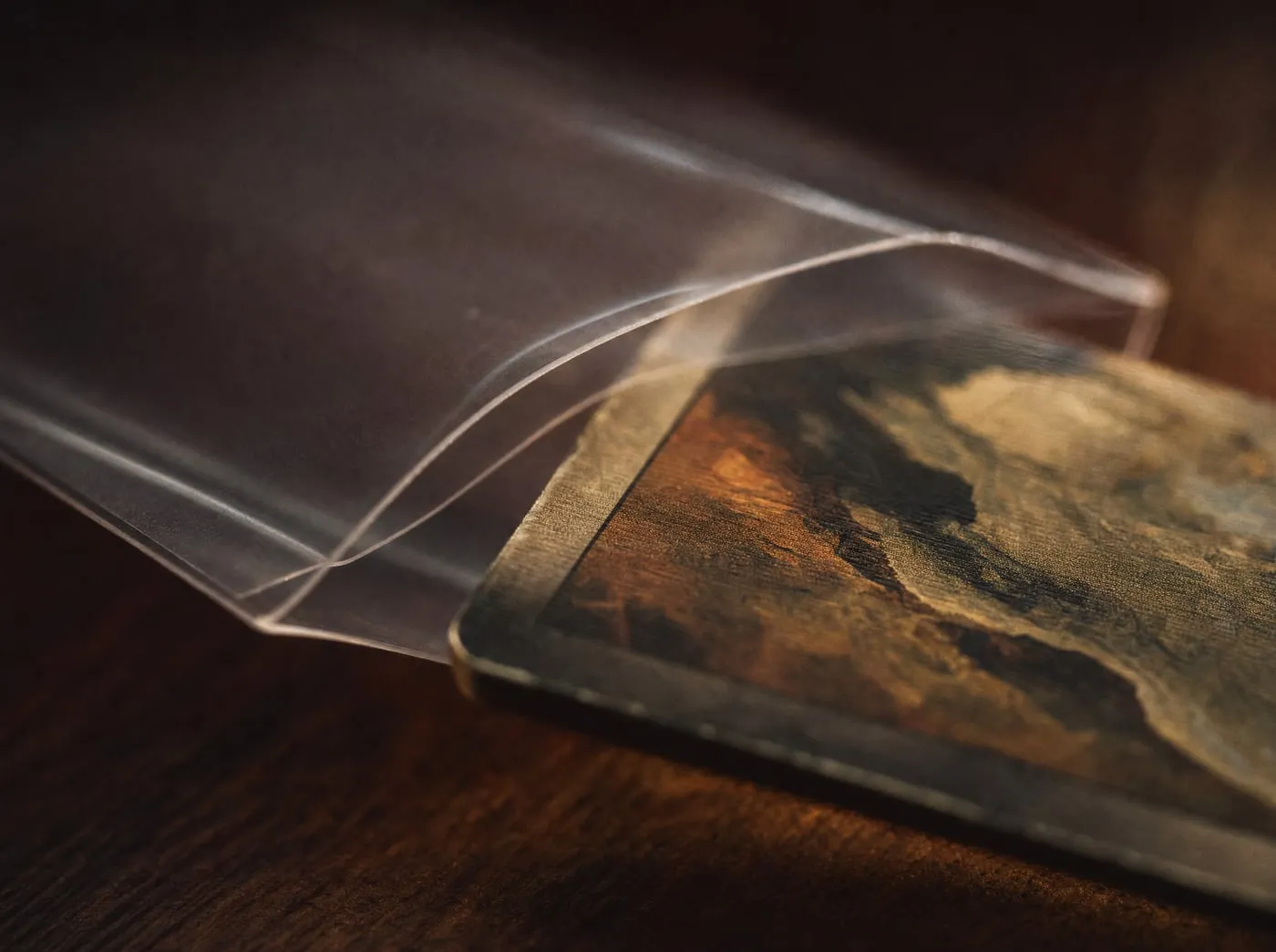
How to Sleeve a Card Without Touching the Face
Six per cent of a trading card is yours to hold and the other ninety-four is the part a grader scores. The two-millimetre rule, how to get a card off a flat table, why you bow the sleeve mouth before the card arrives, and the five moves in order.
How to Check What a Card Really Sells For
The only figure with evidence behind it is a completed sale. How to search sold listings rather than asking prices, discard the sales about a different object, read the median instead of the newest, and date the answer you write down.
How to Read a Price Chart Without Fooling Yourself
A price line is drawn by somebody who made five decisions first. How to find out what one point is made of, check where the vertical axis starts, widen the window past ninety days, read the sales volume underneath, and tell a step from a spike.
How to Buy Low Without Guessing
Low is a place, not a moment. How to build a card's settled price band out of completed sales, find its lower edge, and set a number you decide before the listing is in front of you.