Steaming White Japanese Rice
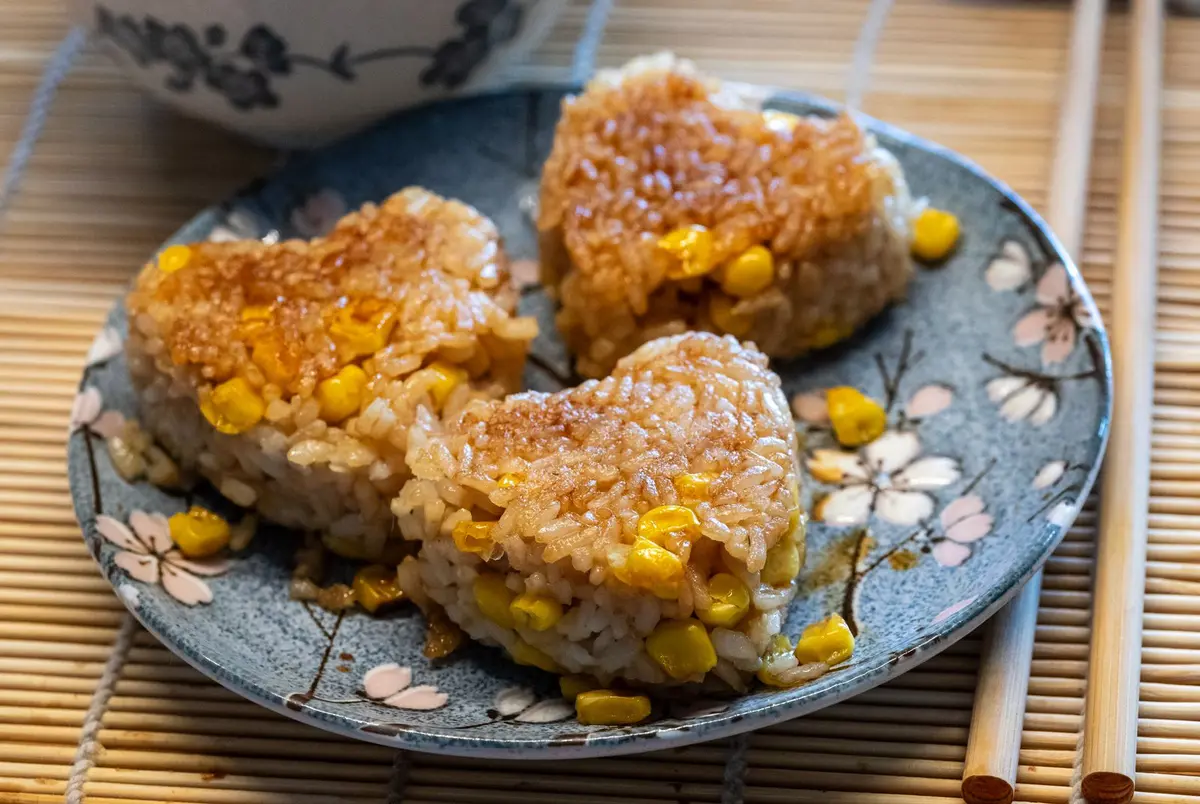
Proper gohan relies on washing away surface starch until the water runs clear and allowing the grain to soak before heat ever touches it. The result is a translucent, firm, and slightly sticky grain that stands on its own or serves as the foundation for a breakfast of miso soup, grilled fish, or a raw egg cracked directly into the heat.
- Difficulty
- Easy
- Total time
- 50 min
- Hands-on
- 10 min
- Serves
- 4
Ingredients
- 2 cups short-grain Japanese white rice
- 2 1/4 cups cold water
Step by step
Rinse the rice
Place rice in a bowl, cover with cold water, and swirl vigorously. Drain and repeat until the water remains clear, usually four to five rounds.
Soak
Drain the rice thoroughly and return it to the pot with the 2 1/4 cups of fresh water. Let it stand for 30 minutes until the grains turn opaque white.
Bring to a boil
Cover the pot and bring to a boil over medium-high heat. Do not lift the lid once you see steam escaping.
Simmer
Immediately turn the heat to the lowest possible setting. Cook for 12 to 15 minutes. Listen for the sound of bubbling to stop; that is the signal the water is absorbed.
Steam and rest
Remove the pot from the heat source. Keep the lid on and let it rest undisturbed for 10 minutes. This pulls the remaining moisture into the center of the grain.
Fluff
Remove the lid and use a paddle to gently cut and fold the rice from the bottom, allowing excess steam to escape.
Questions people ask
Can I use brown rice?
Brown rice requires more water and a longer cook time because of the intact bran layer; this method is strictly for polished white rice.
Why is my rice crunchy?
This usually means the heat was too high or the lid did not seal properly, causing the water to evaporate before the grain could finish steaming.
Tips
- If your stove runs hot, place a heat diffuser under the pot during the simmer stage.
- Use a glass lid if you are nervous about timing; watching for the moment the surface holes appear tells you the water is gone.
- Always measure water by volume rather than weight for the most consistent ratio.