Vatapá
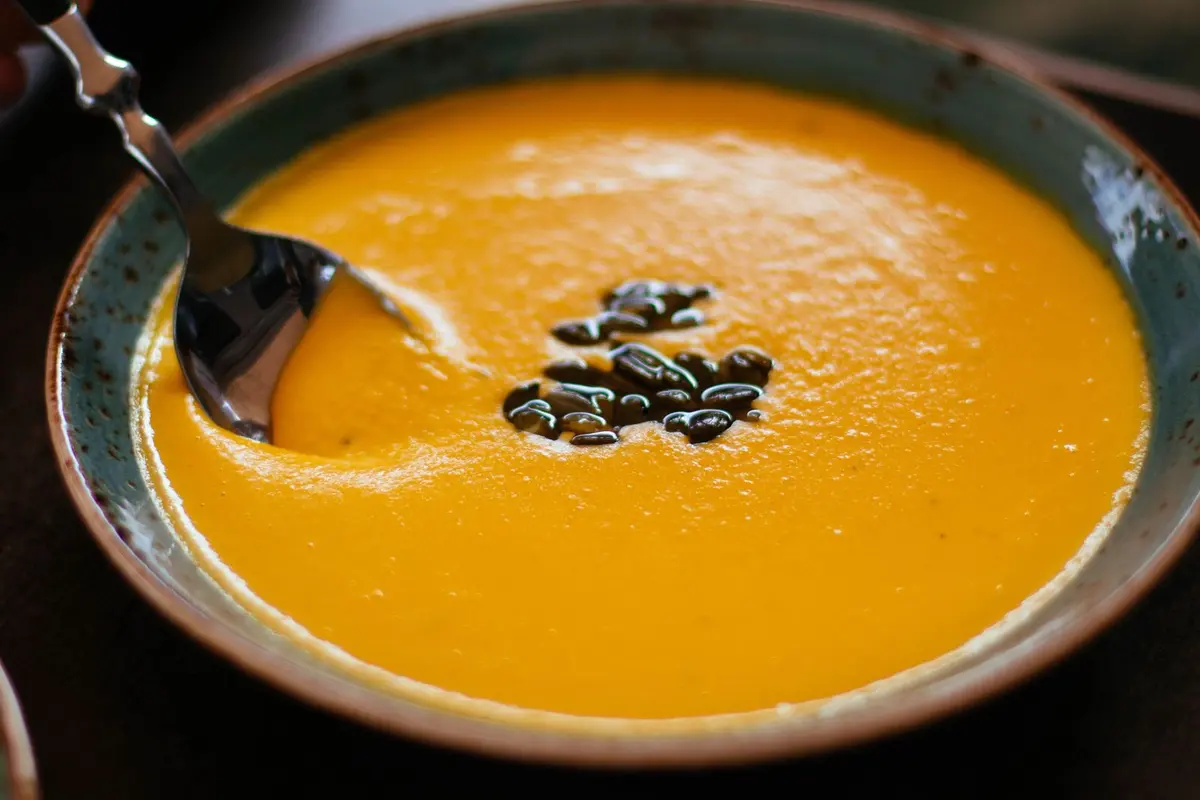
Vatapá is a dense, velvety Brazilian porridge made from bread soaked in coconut milk and stock, thickened with ground peanuts and cashews, and flavored with dendê oil, dried shrimp, and ginger. It is served warm, often as a component of an Acarajé or alongside white rice, demanding a slow, patient stir to reach its signature smooth, emulsified consistency.
- Difficulty
- Intermediate
- Total time
- 1 hr
- Hands-on
- 45 min
- Serves
- 6
Ingredients
- 6 oz stale French bread or sourdough, torn into chunks
- 2 cups coconut milk
- 2 cups shrimp or vegetable stock
- 1/2 cup roasted peanuts, unsalted
- 1/2 cup cashews, roasted
- 1/2 cup dried shrimp, soaked and drained
- 3 tbsp dendê oil (red palm oil)
- 1 small onion, diced
- 2 cloves garlic, minced
- 1 tbsp fresh ginger, grated
- To taste salt and fresh cilantro
Step by step
Soak the bread
Place the bread chunks in a bowl and pour the coconut milk over them. Let them sit until the bread is completely saturated and soft, about 15 minutes.
Pulse the aromatics
In a blender, combine the soaked bread, peanuts, cashews, and dried shrimp. Process until you have a smooth, uniform paste.
Sauté
Heat the dendê oil in your pot over medium heat. Add the onion and cook until translucent, then stir in the garlic and ginger for 30 seconds.
Combine
Pour the bread paste into the pot. Gradually stir in the stock, adding it in small increments to ensure it incorporates fully into the paste.
Simmer
Reduce the heat to low and cook, stirring constantly, until the mixture thickens into a glossy, heavy cream consistency that holds its shape on the spoon.
Questions people ask
Can I use fresh shrimp instead of dried?
Dried shrimp are traditional because they provide an umami depth that fresh shrimp do not; if you use fresh, sauté them first and fold them in at the end.
Why did my sauce separate?
This usually happens if the heat was too high or the mixture wasn't stirred enough during the thickening process; ensure you are using a heavy-bottomed pot to distribute heat evenly.
Tips
- If the mixture becomes too thick, add more stock one tablespoon at a time until it reaches the desired consistency.
- Use a high-quality dendê oil; its quality significantly impacts the final aroma of the dish.
- Taste for salt only after the shrimp and stock have melded, as the dried shrimp contribute significant salinity.
Variations
- Fish-heavy: Fold in cooked, flaked white fish like snapper or cod at the very end of the cooking process.
- Spiced: Add a minced malagueta pepper or a dash of hot sauce during the sauté phase to provide a sharper finish.