Vinaigrette Classique
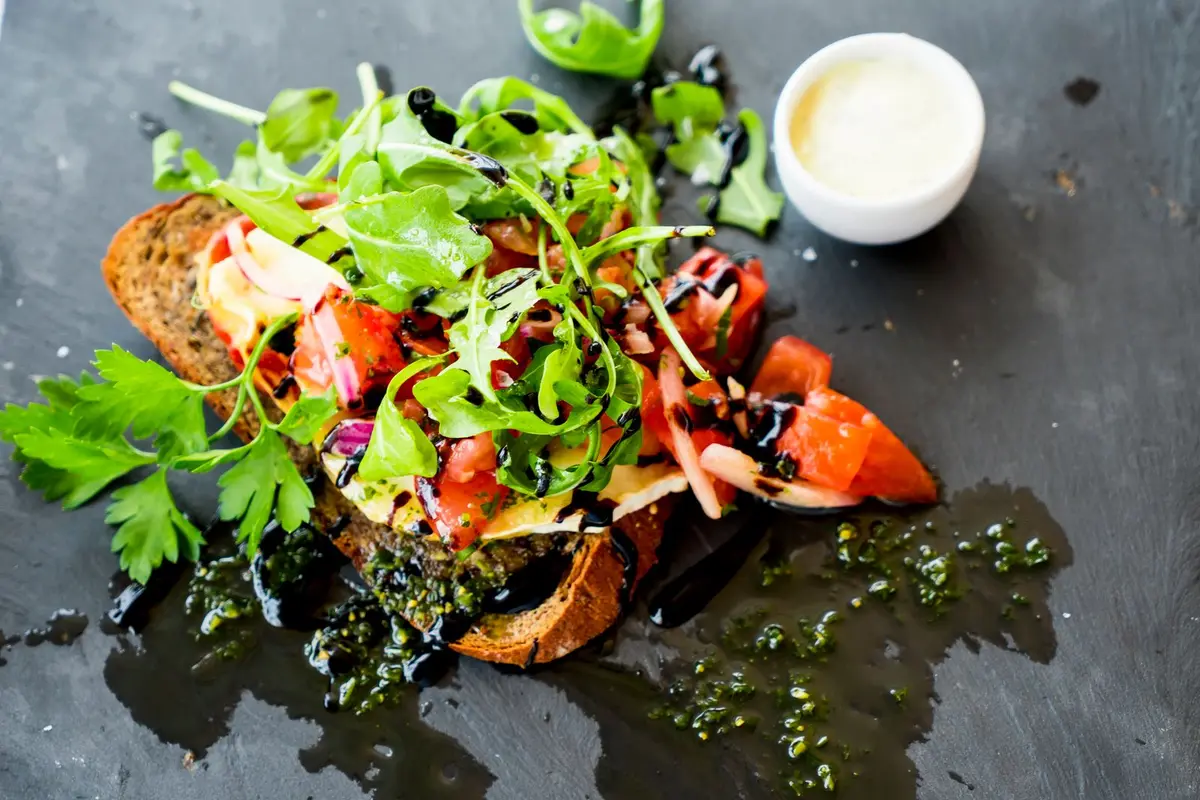
A classic vinaigrette relies on the ratio of one part acid to three parts oil, whisked until it forms a stable, creamy emulsion. The goal is to bind the sharp brightness of vinegar or citrus with the body of neutral or cold-pressed oil, creating a dressing that clings to salad leaves rather than pooling at the bottom of the bowl.
- Difficulty
- Easy
- Total time
- 5 min
- Hands-on
- 5 min
- Serves
- 4
Ingredients
- 1 tbsp red wine vinegar or fresh lemon juice
- 1 tsp Dijon mustard
- 1/4 tsp fine sea salt
- 3 tbsp extra virgin olive oil or neutral oil
- pinch freshly ground black pepper
Step by step
Base the mixture
Place the vinegar, mustard, salt, and pepper into your bowl. Whisk until the mustard is fully integrated into the liquid.
Add the oil
While whisking rapidly, begin adding the oil in a very slow, thin stream. The liquid should transition from transparent to an opaque, pale emulsion.
Check the body
Stop whisking when the sauce is thick enough to coat the back of a spoon without immediately sliding off.
Questions people ask
Can I use a food processor?
You can, but it often makes the olive oil taste bitter due to the high speed of the blades. For a small batch, a whisk and a bowl are superior.
Why use mustard?
Mustard acts as a natural emulsifier, helping the oil and vinegar stay combined longer than they would on their own.
Tips
- Taste the vinaigrette by dipping a piece of your salad greens into it, not just a spoon; the flavor profile changes when spread over the leaf.
- If the dressing breaks—meaning the oil separates—add a tiny splash of water or another half-teaspoon of mustard and whisk vigorously to bring it back together.
- Store in a glass jar in the refrigerator, but let it sit at room temperature for a few minutes before shaking it to use again.
Variations
- Shallot Vinaigrette: Mince one small shallot very finely and let it macerate in the vinegar for ten minutes before adding the mustard and oil.
- Herbed Vinaigrette: Whisk in a teaspoon of finely chopped fresh tarragon, chives, or parsley after the emulsion is formed.