Samosa Keema
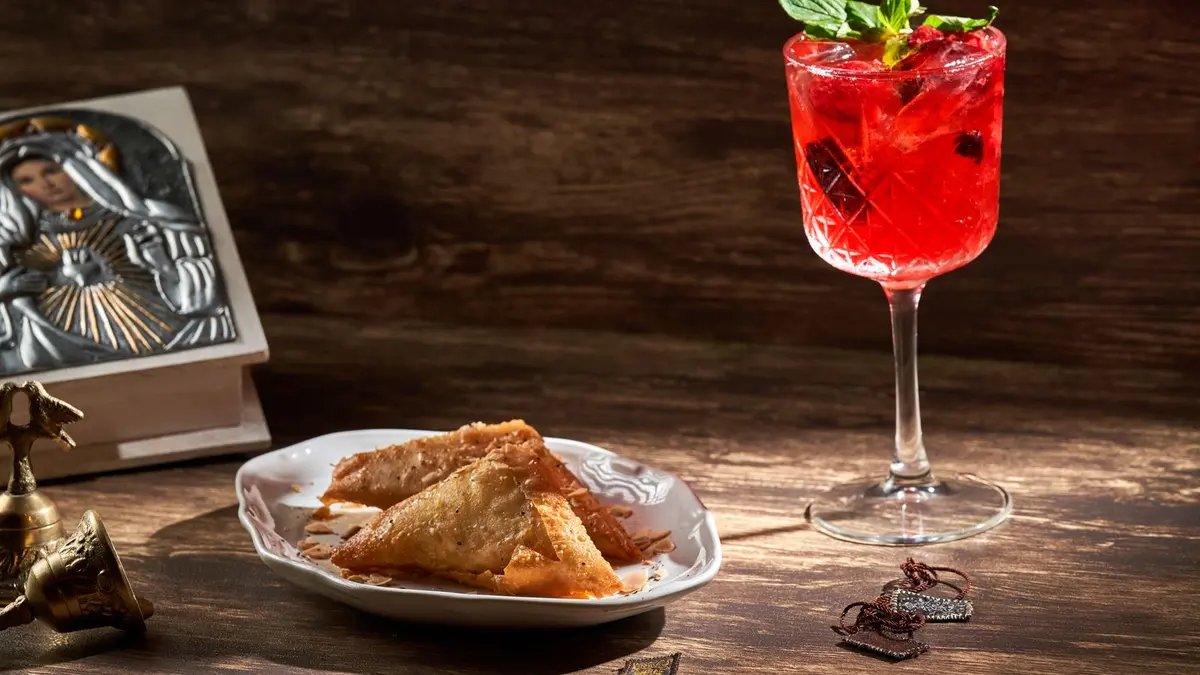
Samosa keema is a crispy pastry filled with spiced ground meat—faster to make than vegetable samosas because the filling cooks in minutes and needs no cooling. Mix your dough, let it rest while you brown the meat with onions and spices, fill, fold into triangles, and fry or bake until golden. The whole thing takes about an hour from start to finish.
- Difficulty
- Intermediate
- Total time
- 1 hour
- Hands-on
- 45 minutes
- Serves
- 12 to 14 samosas
- You will need
- medium mixing bowl, large heavy-bottomed pan or kadai, rolling pin, wooden spoon, slotted spoon or spider skimmer, instant-read thermometer, deep frying vessel or large saucepan
Ingredients
- 1½ cups all-purpose flour
- ¼ tsp salt
- 2 tbsp ghee or neutral oil, plus more for frying
- ½ lb ground lamb or beef
- 1 medium yellow onion, finely diced
- 2 cloves garlic, minced
- 1 tsp ginger, minced
- 1 tsp cumin seeds
- ½ tsp coriander powder
- ¼ tsp cayenne pepper (adjust to taste)
- ½ tsp garam masala
- 1 tbsp fresh cilantro, chopped
- 1 tbsp lemon juice
- salt to taste
Step by step
Mix and rest the dough
In a mixing bowl, combine flour and salt. Add 2 tablespoons ghee or oil and rub it in with your fingertips until the mixture looks like coarse sand. Slowly add 4 to 5 tablespoons of warm water, mixing gently, until you have a stiff dough that comes together. It should feel like your earlobe—soft but not sticky. Knead for 1 minute only, then cover and let rest for 20 to 30 minutes.
Brown the onions and aromatics
Heat 2 tablespoons ghee in a large pan over medium-high heat. Add the diced onion and cook, stirring often, until it turns golden brown—about 5 minutes. This gives the filling its depth. Add minced garlic and ginger, stir for 30 seconds until fragrant.
Toast spices with the meat
Lower heat to medium. Add cumin seeds and let them crackle for 15 seconds. Add the ground meat, breaking it up with the back of a spoon as it browns. Stir constantly. Once the meat is no longer pink—about 4 to 5 minutes—add coriander powder, cayenne, and garam masala. Stir until the spices coat every bit of meat.
Drive off excess moisture
Raise the heat to medium-high and cook for another 1 to 2 minutes, stirring. You want the pan to go from wet to almost dry. Add fresh cilantro and lemon juice. Taste and adjust salt. Spread the filling on a plate to cool slightly—5 minutes is fine, you don't need it cold.
Roll and cut the dough
Divide the rested dough into 6 equal balls. On a lightly oiled surface, roll each ball into a thin circle about 6 inches across. Don't make it paper-thin—you want enough structure to hold the filling. Cut each circle in half.
Stuff and fold into triangles
Take one half-circle and wet the straight edge with water. Bring the two corners of the straight edge together to form a cone, overlapping them slightly and sealing. Hold the cone with the point down. Spoon 1 to 1½ teaspoons of filling into the cone. Wet the open top edge and fold it down, pressing to seal. You should have a triangle. Repeat with remaining dough and filling.
Fry or bake until golden
For frying: heat about 2 inches of oil in a deep pan to 350°F (175°C). Fry samosas in batches of 4 to 5, turning once, until deep golden brown—about 2 to 3 minutes total. For baking: brush samosas lightly with oil, place on a sheet pan, and bake at 400°F (200°C) for 15 to 18 minutes, turning halfway through, until golden. Drain on paper towels.
Questions people ask
Can I make the filling ahead?
Yes. Cook the filling, let it cool completely, and store it in the refrigerator for up to 2 days. It will be thicker when cold, which is fine—it actually makes filling easier.
Why does my samosa leak when it fries?
Either your seal wasn't tight enough or your filling was too wet when you folded. Make sure the pan goes almost dry in step 4, and press the dough edges firmly together when sealing.
What's the difference between this and a meat samosa from a restaurant?
Restaurant versions sometimes add potatoes to stretch the meat and add texture. This version is pure meat, spice, and onion—more focused, less filling.
Can I freeze samosas before frying?
Yes. Arrange unfried samosas on a sheet pan, freeze solid, then transfer to a freezer bag. Fry from frozen, adding 1 to 2 minutes to the cooking time. Don't thaw them first.
What do I serve this with?
A simple mint chutney or cilantro-lime chutney made from fresh herbs, lime juice, and a pinch of salt. That's it. Samosas don't need much.
Tips
- Don't overmix the dough. You're not making bread. A quick knead followed by a rest does the work for you.
- Wet the dough edges as you seal, but don't oversaturate or the wrapper will tear. A single finger dipped in water is enough.
- If your oil is too cool, the samosa will absorb oil instead of crisping. At 350°F, they should sizzle immediately but not turn dark in seconds.
- Make the samosas up to 3 hours ahead and fry just before serving. They're best within an hour of frying, but they stay good at room temperature for a few hours.
- For baking, don't skip the oil brush. It helps them brown and crisp without the fat that frying adds.
Variations
- Samosa keema with green peas: Add ¼ cup frozen peas to the filling in the last minute of cooking. They add sweetness and texture without changing the method.
- Mint and cilantro version: Increase fresh herbs—use 1 tablespoon each of fresh mint and cilantro, added at the end. The mint cuts through the richness of the meat.
- Baked samosa keema: Brush finished samosas with a mixture of 1 egg yolk and 1 tablespoon water before baking for extra shine. Bake instead of frying if you want a lighter result, though the texture will be less crispy.
More: Indian pastry, aloo gobi to serve alongside and Indian baking.