Understanding Whipped Body Butter
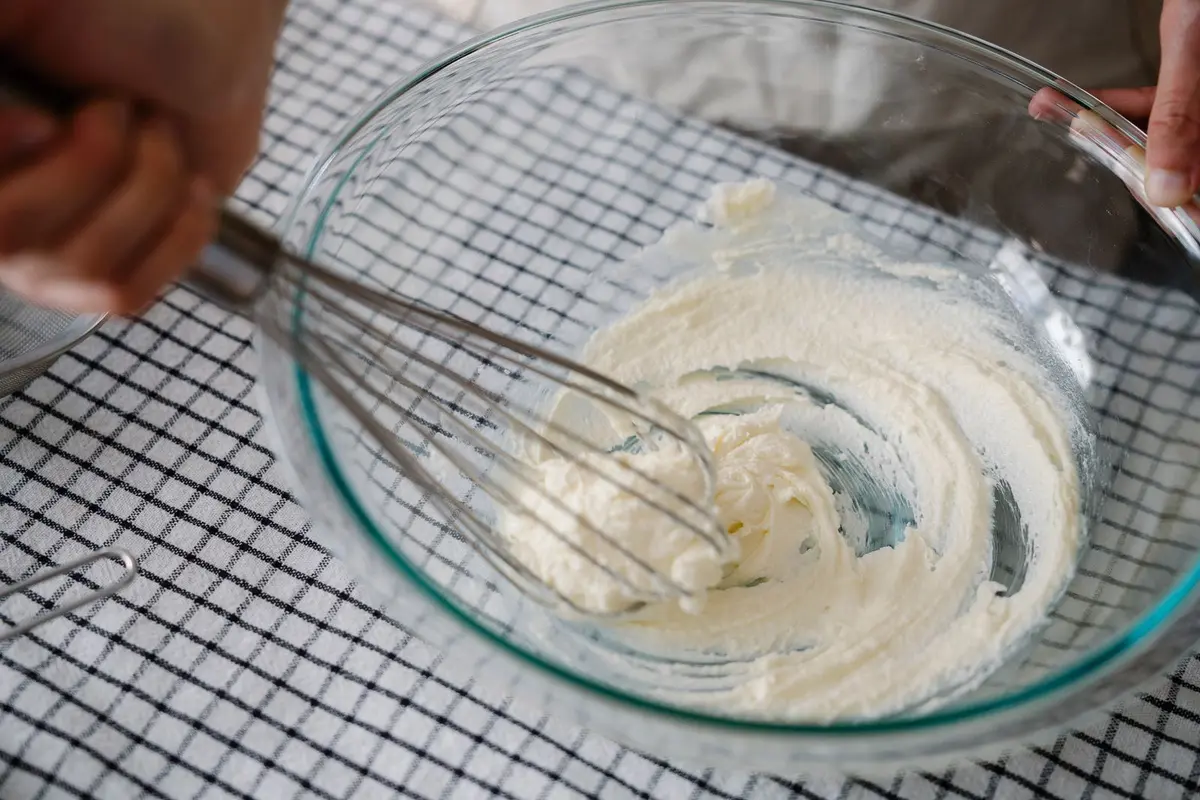
Whipped body butter differs from standard lotions and creams due to the absence of water and the introduction of physical agitation. By whipping anhydrous fats like shea or cocoa butter, the structure transforms from a dense, waxy solid into a light, mousse-like consistency. This process improves spreadability without the need for synthetic emulsifiers or preservatives.
Understanding the difference between these formulations allows for more precise application based on seasonal needs or skin requirements. While conventional lotions rely on water to deliver hydration, whipped butter focuses on locking existing moisture into the epidermis through occlusive barriers.
- Difficulty
- Beginner
- Total time
- 15 minutes
- Cost
- Moderate
- Cadence
- Weekly application
Ingredients
- Shea Butter: Primary occlusive agent that prevents trans-epidermal water loss.
- Carrier Oils: Added to modify the melt point and ease of application.
Tools List
- Silicone spatula for hygienic application
Step by step
Prepare damp skin
Apply whipped butter immediately after bathing while the skin remains damp. Because the product lacks a water phase, it performs as an occlusive agent to seal in water rather than adding it. Towel dry until the skin feels slightly tacky to the touch. This ensures the butter can trap surface hydration effectively.
Tip: Do not rub vigorously; pat skin until damp.Measure the application
Take a small, almond-sized amount of the butter between your palms. The friction of your hands will melt the air-filled structure into an oil-like state. Over-application often leads to an oily residue that does not absorb, so start with less than you assume is necessary.
Tip: Use a small spatula to scoop product to avoid contamination.Distribute with pressure
Massage the butter into areas prone to dryness, such as elbows, knees, and shins. Use long, sweeping motions to ensure even coverage across the limbs. The lightness of the whipped texture allows for faster coverage than raw, unwhipped butter while maintaining the same heavy-duty barrier protection.
Tip: Work in sections to manage product warmth.Allow for stabilization
Wait several minutes before dressing to allow the lipids to settle into the upper layers of the skin. Wearing loose fabrics prevents the product from transferring to clothing before absorption. If you notice persistent stickiness after ten minutes, you have applied an excessive amount.
Tip: Wear cotton robes during the stabilization period.Re-assess
Check for any patches of dry skin that were missed during the initial pass. Apply a fractional amount to these areas specifically. Consistent, thin applications are more effective than sporadic, heavy ones.
Tip: Monitor how the skin feels four hours post-application.
Trouble
Why does my butter feel gritty?
Grittiness occurs when fats solidify at inconsistent temperatures. This is a texture issue, not a performance issue, and the product remains safe for use.
Can I use this on my face?
Whipped butter is designed for the body. It is often too heavy for facial application and may lead to congestion in delicate pore structures.
How should I store it?
Keep the jar in a cool, dry place away from direct sunlight. High temperatures will cause the air pockets to collapse, returning the butter to a dense, unwhipped state.
Why is it not soaking in?
You are likely applying too much. Because it is anhydrous, it does not evaporate like water-based lotions; it sits on the skin to provide a barrier.
Aeration turns dense fats into usable, light emollients without altering their primary occlusive function.
Use a light hand. The benefit of whipped texture is speed, not volume.
More: lotion vs cream vs butter, which oils absorb fastest and body moisturising.