When to Switch to Winter Body Cream
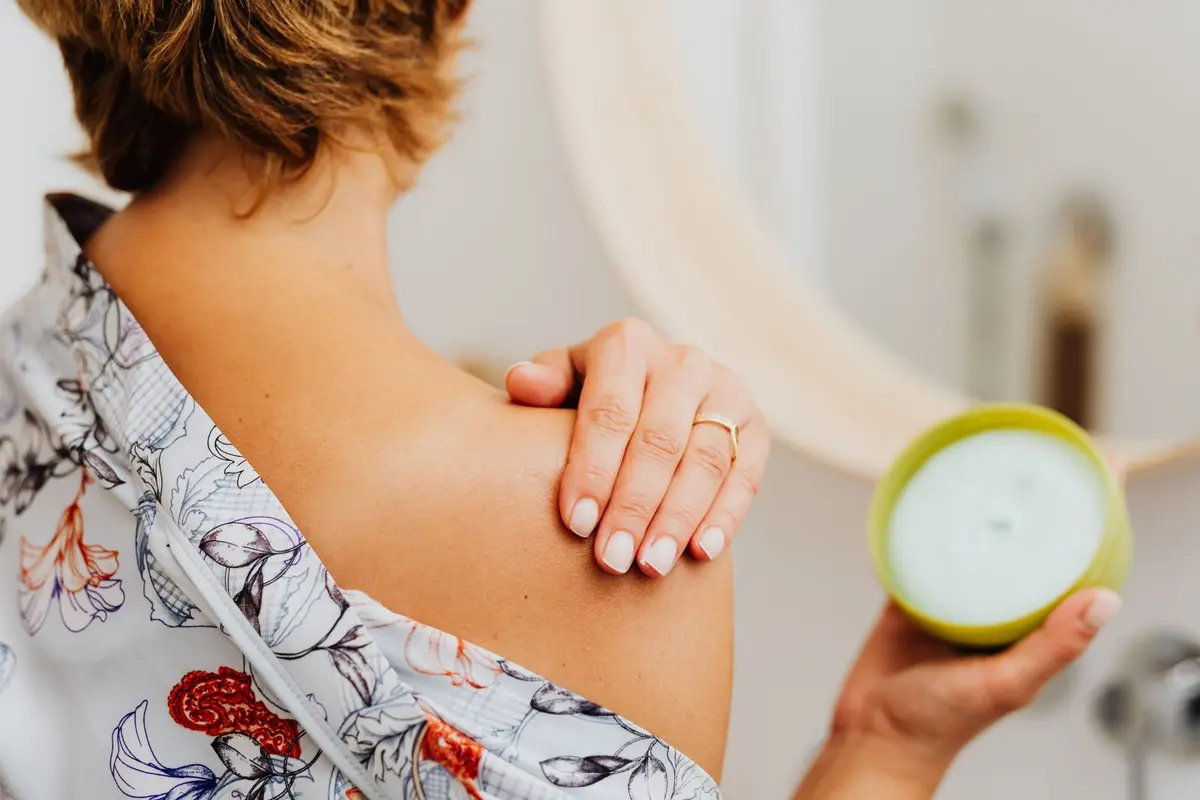
The transition from temperate to cold weather requires a shift in how you maintain skin hydration. Humidity levels drop as temperatures fall, causing moisture to evaporate more rapidly from the skin surface. Rather than waiting for visible dryness, you must adjust your topical routine to account for these environmental changes.
Transitioning to a heavier body cream is a matter of reading the physical cues of your skin and the ambient conditions of your living space. This guide outlines the markers that indicate it is time to abandon lightweight lotions for more substantial formulations.
- Difficulty
- Beginner
- Total time
- 15 minutes
- Cost
- Variable
- Cadence
- Daily maintenance
Ingredients
- Shea butter: Provides a robust occlusive barrier.
Tools List
- Emollient-rich body cream
Step by step
Assess the humidity threshold
Monitor the local weather report for persistent humidity levels below forty percent. When the air becomes consistently dry, your current lotion likely lacks the occlusive properties required to retain moisture. Begin by observing the feel of your skin immediately after drying off from a shower.
Tip: If skin feels taut within minutes of drying, the threshold has been met.Test the absorbency rate
Apply your current lotion to one forearm and observe the absorption speed. If the product disappears into the skin without leaving a protective sensation, it is insufficient for the coming season. Winter-grade creams are designed to sit slightly longer on the surface to create a barrier.
Tip: Use a nickel-sized amount for the test.Switch to a lipid-rich formula
Introduce a body cream that features waxes, thick butters, or heavier oils in its base. Apply this product while your skin remains slightly damp to lock in ambient water. Ensure you cover extremities thoroughly, as these areas lose moisture fastest in cold climates.
Tip: Warm the cream between your palms before application.Evaluate the layer integrity
Four hours after application, perform a manual assessment of your limbs. If the skin feels smooth to the touch rather than dry or rough, the product weight is appropriate. If you notice persistent roughness, reapply a second, thinner layer to the specific zones.
Tip: Focus on knees and elbows for secondary application.Observe the adjustment period
Monitor your skin over the following week for any signs of surface residue that fails to absorb. Adjust your application volume based on how the product settles into the skin. Consistency in application is more critical than the amount of product used.
Tip: Apply in long, firm strokes to improve absorption.
Trouble
My skin still feels dry after switching.
You may need to apply the cream to damp skin immediately after showering. Water evaporation is a primary cause of dryness, and trapping that moisture is essential.
The cream feels too heavy.
Reduce the quantity applied. Even a thin layer of a dense cream is often more effective than a thick layer of a lightweight lotion.
Can I mix my old lotion with the new cream?
This is unnecessary and often dilutes the efficacy of the occlusive agents in the winter cream. Use the products separately or transition fully to the new formula.
How long should the transition take?
Expect a period of three to five days for your skin to adapt to a new topical profile. If after a week you see no improvement, reconsider the product ingredients.
Environmental shifts require physical adjustments before the skin signals distress through visible dryness.
Hydration is not a static requirement; adjust your tools as the thermometer drops.
Related: winter body care, lotion vs cream vs butter and body moisturising.