Deciphering Body Moisturiser Labels
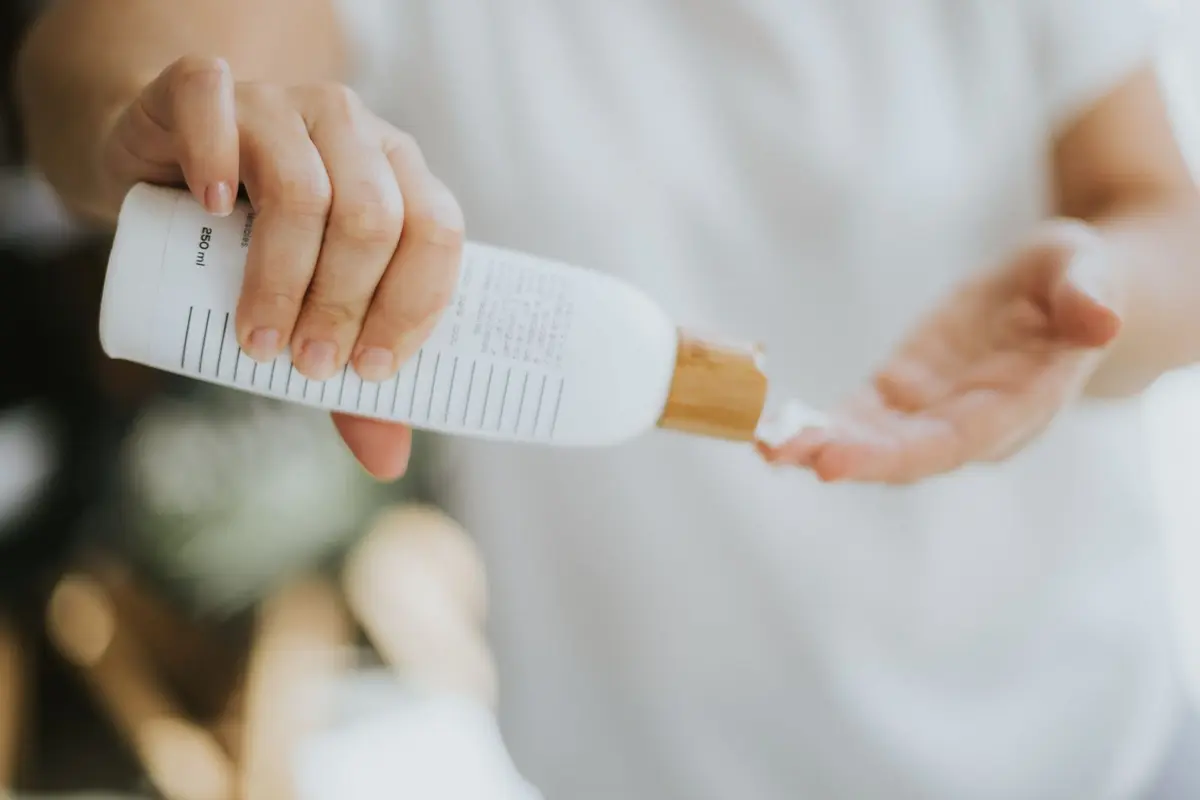
Most ingredient lists for body lotions, creams, and butters appear as a dense block of technical terminology. By focusing on the first five ingredients, you gain an immediate understanding of the product's base and its primary function. Distinguishing between water-based hydrators and oil-based occlusives allows you to select textures that align with your skin's immediate needs.
This guide provides the framework to sort through the noise. You will learn to categorize ingredients by their role in the formulation, ensuring your purchase matches your expectations.
- Difficulty
- Beginner
- Total time
- 15 minutes of study
- Cost
- Low
- Cadence
- Weekly evaluation
Ingredients
- Glycerin: Primary humectant for hydration retention
- Shea Butter: Common occlusive for sealing moisture
- Fatty Alcohols: Structural components for product texture
Tools List
- Product packaging
- Magnifying glass
- Brand website access
Step by step
Locate the primary solvent
Scan the first ingredient listed on the packaging. In the vast majority of lotions, this will be water or a botanical hydrosol. This indicates a lightweight, water-based product designed for quick absorption and surface hydration.
Tip: If water is absent, the product is likely an anhydrous butter or oil-based balm.Identify the emollient phase
Look for ingredients listed after water that feel silky to the touch, such as plant oils or squalane. Emollients serve to soften the skin surface by filling in gaps between cells. Higher concentrations of these fats will dictate the richness of the product.
Tip: Check for fatty alcohols, which add texture without being greasy.Spot the humectant
Identify ingredients like glycerin or sodium hyaluronate. These molecules act as magnets for water, drawing moisture from the environment into the upper layers of the skin. They are essential for lasting hydration.
Tip: Glycerin is highly effective and often listed early in the list.Check for occlusive agents
Scan for waxes, shea butter, or plant-derived esters. These act as a protective seal over the skin, preventing moisture evaporation. These should appear in the middle to end of the list for lotions, or at the start for dense body butters.
Tip: Occlusives are the final step in preventing transepidermal water loss.Review the preservation system
Note the presence of ingredients intended to maintain product shelf-stability. Even natural formulas require adequate preservation to prevent microbial growth. Ensure the listed preservatives are commonly used and appear well below the active hydration components.
Tip: Always close lids tightly to maximize the efficacy of these stabilizers.
Trouble
Why is glycerin so common?
Glycerin is a highly effective humectant that is stable and inexpensive. It works by attracting water, making it a reliable staple in most hydrating formulations.
What if I cannot read the fine print?
If the bottle is too small to read, search the brand name and product title online.
Does a long list imply a better product?
Not necessarily. Simple formulas often serve their purpose efficiently. A list of 30 ingredients does not guarantee superior performance compared to a 10-ingredient formula.
What if my skin feels tacky after application?
This often indicates a high concentration of humectants relative to the emollients. The product is drawing water but perhaps lacking the oil-based barrier to lock it in completely.
The first five ingredients define the character of the formulation.
Literacy is the most reliable tool in your bathroom cabinet.
Related: deciphering your SPF ingredient list, lotion vs cream vs butter and body moisturising.