Choosing and Applying Body Oils for Rapid Absorption
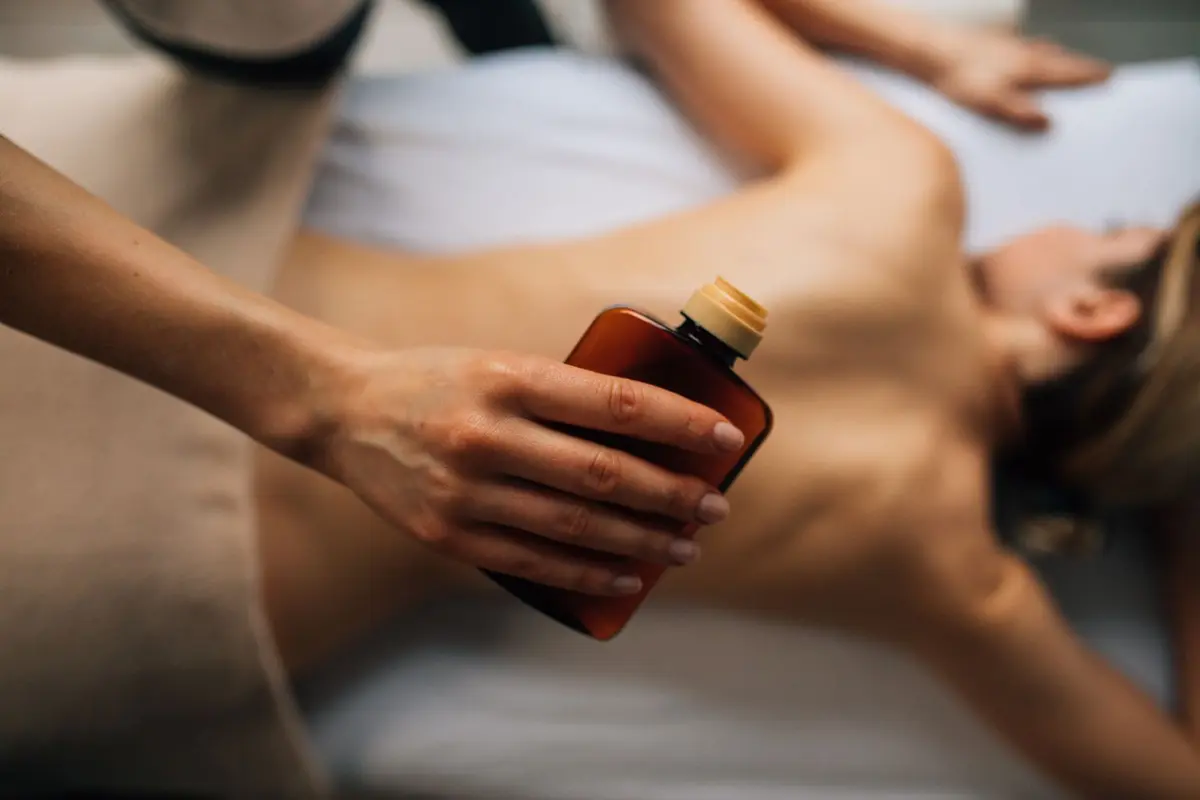
The primary challenge with body oils is the disparity between absorption rates. Some oils are composed of smaller molecular chains, allowing them to penetrate the surface layer of the skin quickly, while others are heavier and form a protective barrier that remains on the skin for hours.
Understanding the difference between these two categories will dictate how you use them in your daily routine. By applying oils while your skin is still damp, you maximize the efficiency of your moisturizing routine and prevent unnecessary residue on your clothing.
Selecting the correct oil for your specific needs is a matter of reading labels and prioritizing light, plant-derived base oils. This guide will clarify which oils belong in each category.
- Difficulty
- Beginner
- Total time
- 5 minutes
- Cost
- Low to moderate
- Cadence
- Daily post-shower
Ingredients
- Squalane: Mimics skin's natural oils for rapid uptake.
- Jojoba: Absorbs quickly due to its liquid wax structure.
Tools List
- A high-quality lightweight body oil
Step by step
Warm the skin
Begin by taking a warm shower or bath to soften the outermost layer of the skin. Water exposure increases the permeability of your skin, which allows for better absorption of oils. Ensure your bathroom is warm to prevent goosebumps, as contracted pores are less receptive to topical products.
Tip: Use lukewarm water instead of hot to prevent stripping natural oils.Pat your skin damp
Do not dry your skin completely with a towel. Use a soft cloth to pat away excess water droplets, but leave the skin visibly moist. Applying oil to damp skin helps create an emulsion, which significantly speeds up the transition from a slippery texture to a dry, hydrated finish.
Tip: Do not rub, as friction can irritate the skin.Distribute oil carefully
Dispense a small amount of oil—roughly the size of a coin—into your palms. Rub your hands together to warm the oil, which lowers its viscosity and makes it easier to spread. Begin applying from your extremities, working toward the center of your body using firm, circular strokes.
Tip: Start with less than you think you need.Encourage penetration
Continue massaging the oil into the skin until the feeling of slip begins to dissipate. The motion provides the kinetic energy required to help the oil settle into the skin rather than sitting on top. Focus on areas that tend to be dry, such as the elbows, knees, and ankles.
Tip: Spend extra time on areas with thicker skin.Wait before dressing
Allow your skin to air-dry for at least ninety seconds before putting on clothing. If you feel any tackiness after this period, you have likely applied too much product. Use a dry towel to gently blot any remaining oil from the skin surface.
Tip: Dress in loose, natural fibers after waiting.
Trouble
Why is my oil still greasy after ten minutes?
You are likely using an oil with a high molecular weight or you have applied too much. Try reducing the amount or switching to a lighter oil base like fractionated coconut or jojoba.
Does the oil type matter for absorption?
Yes. Oils like squalane, jojoba, and rosehip are thin and absorb rapidly. Oils like avocado or olive are heavier and designed for long-term occlusion.
Can I mix heavy and light oils?
You can, but the mixture will absorb at the rate of the heaviest component. It is better to use them for different purposes.
Is it okay to apply oil to my back?
Yes, but ensure you are using a lightweight, non-comedogenic oil to avoid potential pore blockage in areas where you might be prone to breakouts.
The secret to quick absorption is water: oil applied to damp skin behaves differently than oil on dry skin.
Dry skin is not the same as dehydrated skin. Use oil to seal, not to substitute water.
Related: body oil, the after-shower window and lotion vs cream vs butter.