When to Choose Body Cream Over Lotion
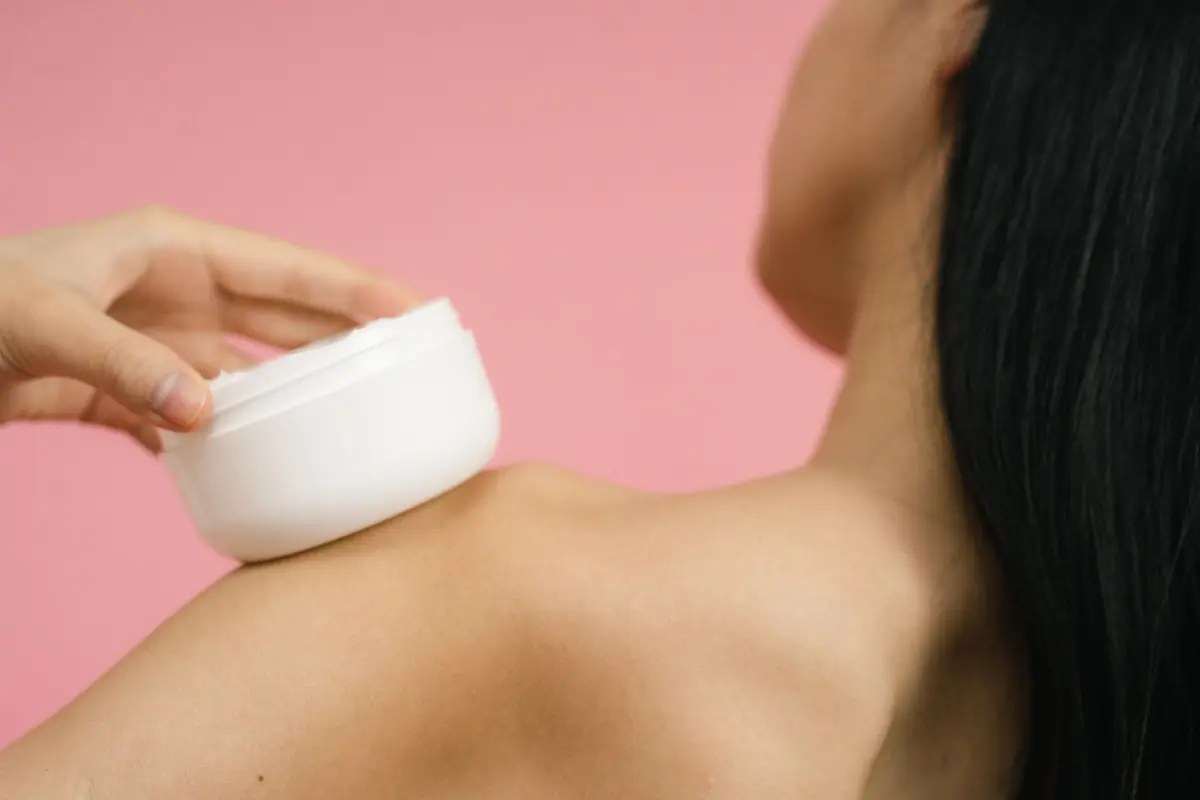
The skin on your torso requires a different moisture approach than your limbs. While lotions serve as quick-absorbing hydration for daily maintenance, they often lack the structural integrity to support the skin barrier during periods of low humidity or after hot showers. Transitioning to a body cream for the midsection offers a more robust occlusion, locking in moisture for longer durations without the need for constant reapplication.
Understanding the mechanics of your product is essential for an effective regimen. Body creams are emulsions with a higher concentration of oil-based ingredients compared to lotions, making them better suited for the torso where skin density remains relatively consistent but prone to environmental dehydration.
- Difficulty
- Beginner
- Total time
- 5 minutes
- Cost
- Moderate
- Cadence
- Daily after showering
Ingredients
- Shea Butter: Provides a robust occlusive barrier.
- Glycerin: Functions as a reliable humectant.
Tools List
- High-viscosity body cream
Step by step
Begin with damp skin
Apply the product immediately after towelling off while the skin remains slightly moist. This provides the cream with additional water to seal into the epidermis. Pat the skin dry rather than rubbing it to maintain natural surface moisture levels.
Tip: Damp skin increases product spreadability.Measure the amount
Scoop a nickel-sized amount for the chest and another for the abdominal area. Using too much product can leave a heavy residue that attracts lint and debris to your clothing. Start with a conservative amount and add more only if the skin feels tight.
Tip: Do not overload the midsection.Warm the cream
Distribute the cream between your palms to generate heat. Warming the product allows it to melt slightly, making it easier to distribute evenly across the torso. Apply it starting from the sternum and moving outward toward the obliques.
Tip: Use friction to improve texture.Massage in circular motions
Use a flat-hand technique to massage the cream into the skin using consistent, wide circular motions. This ensures the product is deposited uniformly across the surface without dragging the skin. Focus on areas that feel particularly dry, such as the sides of the ribcage.
Tip: Maintain even pressure throughout.Allow for absorption
Wait two full minutes before dressing to allow the cream to fully integrate. Pulling clothing over partially absorbed cream can cause friction and remove the product before it has fulfilled its purpose. Ensure the surface feels soft to the touch rather than tacky.
Tip: Wait for a matte finish.
Trouble
Why does the cream pill on my skin?
Pilling is often a result of over-application or a mismatch between the product and previous treatments. Ensure your skin is free from other residue before application.
Can I use this cream on my face?
Body creams are often formulated with higher concentrations of occlusives intended for thicker skin surfaces. It is recommended to keep products strictly for their intended regions.
My skin feels sticky hours later.
This indicates you are using too much product. Reduce your portion size by half for the next application to see if the absorption improves.
Should I switch back to lotion in summer?
Seasonal changes impact skin moisture. If the air is humid, a lighter lotion may provide sufficient support, but continue with cream if your indoor environment is heavily air-conditioned.
A body cream acts as a protective shield where a lotion serves only as a fleeting drink.
Hydration is not one-size-fits-all. The torso requires a heavier hand than the extremities.
Related: lotion vs cream vs butter, body moisturising and PHAs for body exfoliation.