Mastering the Damp-Skin Rule for Body Scrubs
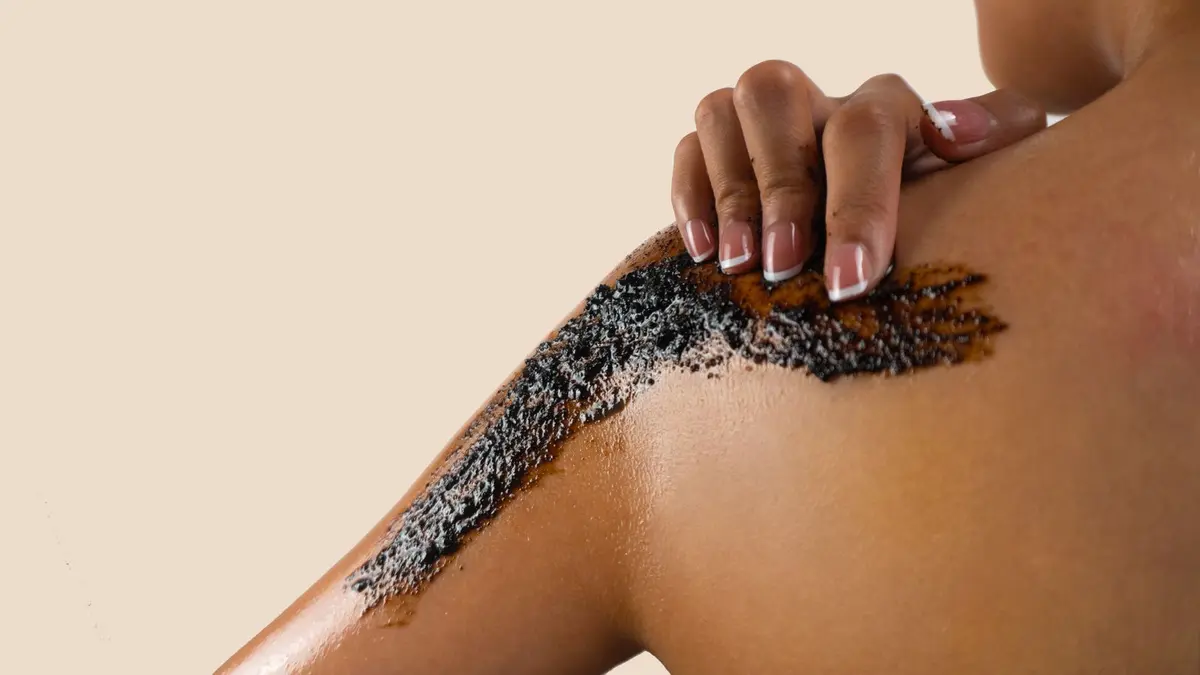
The effectiveness of a physical body scrub is determined almost entirely by the moisture content of the skin at the moment of application. If the surface is too dry, the abrasive particles can cause micro-tears; if the skin is saturated, the product slides off before it can perform its function.
Applying your exfoliant to skin that is damp rather than soaking wet allows the grains to grip the surface while providing just enough slip to prevent abrasion. This standardizes the process and protects the skin barrier.
- Difficulty
- Beginner
- Total time
- 15 minutes
- Cost
- Low
- Cadence
- Weekly application
Ingredients
- Sugar or Salt: Acts as the physical abrasive.
- Carrier Oils: Provides the necessary slip for the scrub.
Tools List
- Body scrub with uniform particle size
- Absorbent, soft towel
- Hydrating body oil or lotion
Step by step
Prepare the shower environment
Begin by running the shower until the space is filled with steam. Keep the water temperature moderate rather than hot to prevent stripping the natural oils from your skin. Ensure you have your scrub and a light towel within reach before you step inside.
Tip: Pre-heating the bathroom helps keep your skin supple.Initial rinse and pat down
Step into the water to wet your body thoroughly, then step away from the stream or turn the water off. Use a soft towel to pat the skin until it is damp but not dripping wet. The goal is a matte-damp surface where the scrub can adhere without being diluted.
Tip: Avoid friction when patting dry.Apply the scrub in sections
Take a walnut-sized amount of product and begin at your feet. Use slow, circular motions to work the scrub upward toward the heart. The damp skin will provide the perfect anchor for the granules to move across the surface efficiently.
Tip: Use firm pressure but do not scrub until red.Rinse thoroughly
Turn the water back on to a tepid temperature. Use your hands to gently massage away the remaining scrub while the water carries the debris down the drain. Ensure no residue remains in the folds of your skin or between your toes.
Tip: Use a washcloth if the scrub is oil-heavy.Seal the moisture
Once you have stepped out, pat the skin partially dry, leaving it slightly moist. Immediately apply a body oil or lotion to lock in hydration. This step prevents the tight, dry feeling often associated with exfoliation.
Tip: Apply oils to slightly wet skin.
Trouble
My scrub is too thick to spread on damp skin.
Mix the scrub with a small amount of warm water in your palm before applying. This creates a slurry that spreads with minimal effort.
Is it better to use a tool like a glove?
Tools often increase friction. Stick to your hands for better control over the pressure you apply to damp skin.
How often should I use this method?
Once per week is sufficient for most. Using it more frequently may disrupt the moisture barrier regardless of your technique.
What if my skin feels itchy after?
Itchy skin indicates you have likely scrubbed too hard or used water that was too hot. Reduce pressure in the next session.
Damp skin is the essential buffer that prevents physical exfoliation from becoming physical irritation.
Dry skin is for application of serums; damp skin is for the mechanics of exfoliation. Keep the distinction in mind.