The Cool Shower Rule for Sun-Exposed Skin
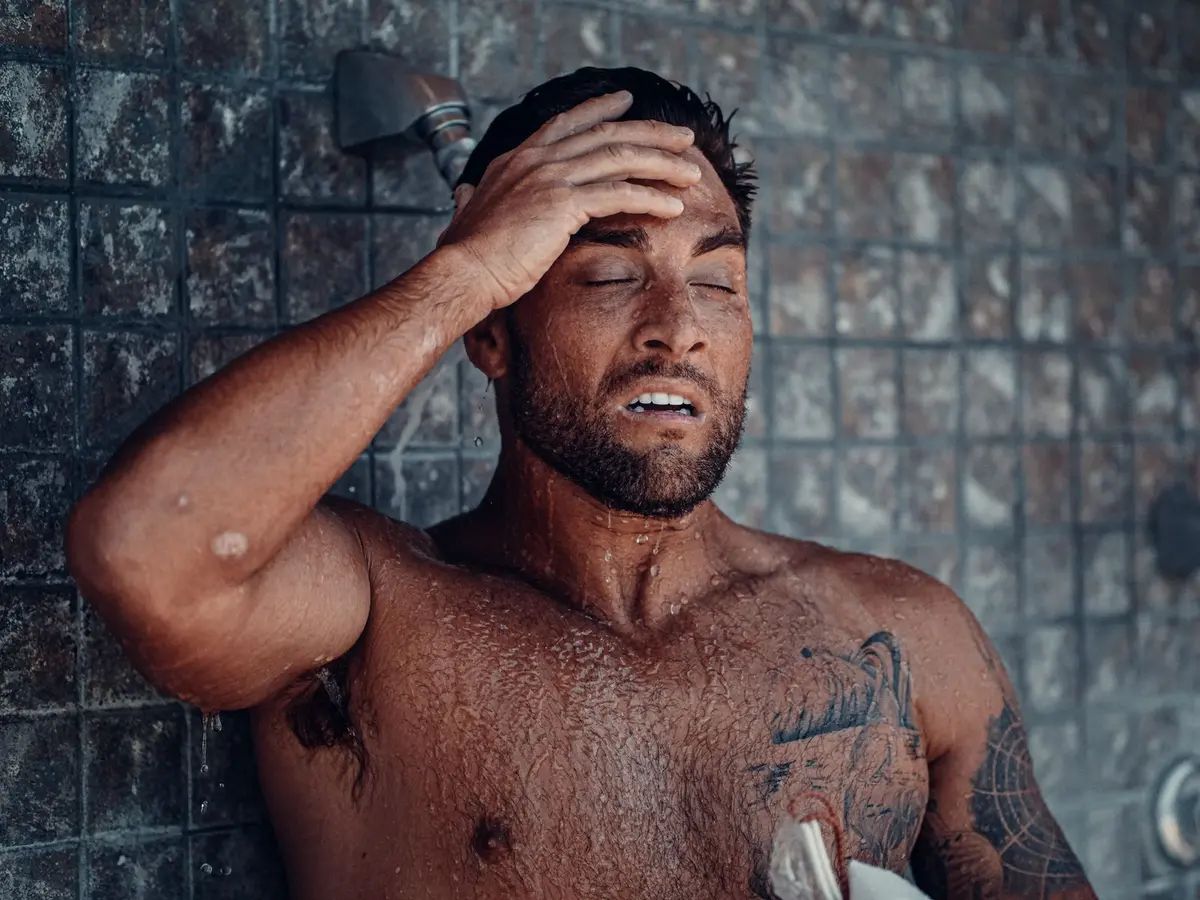
Exposure to direct sunlight inherently elevates skin surface temperature, increasing the risk of transepidermal water loss. The immediate impulse to use hot water after a day outdoors compounds this effect by stripping away surface lipids. A cool shower functions as a primary mechanism to normalize skin temperature before the application of topical hydrators.
Transitioning to cool water requires intention, as it alters the rate at which topical products are absorbed. By cooling the skin, you create a neutral canvas that allows subsequent moisturizers to lock in hydration without the interference of lingering thermal discomfort.
- Difficulty
- Beginner
- Total time
- 15 minutes
- Cost
- Minimal
- Cadence
- As needed post-sun
Ingredients
- Glycerin: Functions as a humectant to draw water into the skin
- Ceramides: Supports the repair of the lipid barrier post-exposure
Tools List
- Digital water thermometer
- Fragrance-free humectant lotion
- Soft cotton towels
Step by step
Initiate the temperature decrease
Begin your shower with lukewarm water rather than jumping immediately to cold. Gradually reduce the heat until the water feels slightly below your body temperature. This prevents sensory shock while effectively dissipating the ambient heat trapped in the epidermis.
Tip: Use a digital thermometer if you struggle to gauge the neutral temperature.Cleanse with low-agitation formulas
Select a soap-free, pH-balanced cleanser to avoid further irritation. Apply the product with your palms using light, circular motions rather than a washcloth or scrub. This minimizes mechanical friction while the skin is sensitized from sun exposure.
Tip: Dispense product into hands, not onto a loofah.Execute a thorough cool rinse
Ensure all product residue is removed using the current cool water setting. Rinsing thoroughly is vital, as residual surfactants can cause delayed tightness as the skin dries. Direct the water stream away from sensitive areas while maintaining a consistent, low-pressure flow.
Tip: Focus on areas like the neck and shoulders where heat dissipates slower.Pat dry with minimal pressure
Exit the shower and use a soft, cotton towel to remove excess water. Use a pressing motion rather than a dragging or rubbing motion to avoid compromising the moisture barrier. The skin should remain slightly damp before moving to the final step.
Tip: Use a microfiber towel to reduce friction.Apply moisture to damp skin
Immediately apply a fragrance-free lotion or cream while the skin is still cool and damp. This traps the remaining water molecules within the stratum corneum. Cover all exposed areas evenly to restore hydration levels.
Tip: Work in sections starting from the legs upwards.
Trouble
Can I use ice-cold water?
Ice-cold water is counterproductive as it can cause vasoconstriction and sensory discomfort. Aim for tepid or cool water to maintain skin equilibrium.
How long should the shower last?
Limit your duration to under ten minutes. Prolonged water exposure, regardless of temperature, encourages the skin to swell and disrupts the natural barrier.
What if I feel itchy after the shower?
Itching often signals that the water was too hot or the soap was too harsh. Ensure your next session uses lower heat and a gentler, non-foaming cleanser.
Is a bath a viable alternative?
A short, cool bath is acceptable, but ensure the water is not stagnant for too long. If you bathe, limit the soak to under ten minutes to avoid over-hydrating the skin cells.
Thermal management is the silent variable in successful after-sun care.
Temperature is a variable that is often overlooked in home routines.
More: after-sun care, does a hot shower fade self-tan faster and body SPF.