Optimizing Post-Brush Hydration
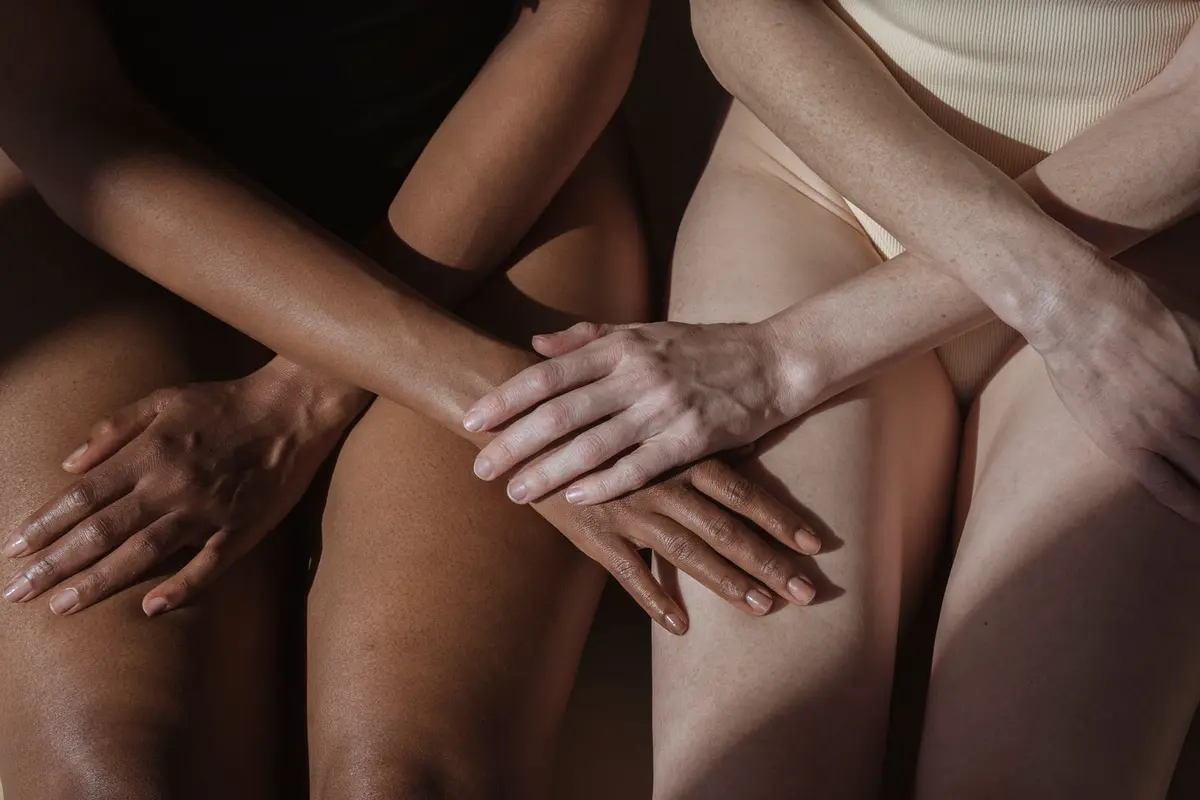
Manual exfoliation by way of a stiff bristle brush creates a temporary change in the surface layer of the epidermis. Because the brush removes dead cell debris and slightly increases local circulation, the skin becomes more receptive to topicals applied immediately following the friction.
Understanding the difference between applying moisturizer to dry, unbrushed skin versus skin that has been freshly stimulated is essential for product efficacy. This guide focuses on the mechanics of absorption and the selection of medium.
- Difficulty
- Beginner
- Total time
- 15 minutes
- Cost
- Low
- Cadence
- Weekly
Ingredients
- Glycerin: Common humectant to draw water into the skin.
- Shea Butter: Provides occlusive properties to protect the surface.
Tools List
- Natural bristle dry brush
- Plain, fragrance-free body moisturizer
- Soft cotton towel
Step by step
Perform the manual exfoliation
Use a natural, dry-bristle brush on clean, dry skin. Work in long, sweeping motions starting from the feet and moving upward toward the heart. Ensure the pressure is firm but never painful, avoiding any areas where the skin barrier is compromised.
Tip: Use a brush with a long handle to reach the back.Rinse the debris
Step into a lukewarm shower to rinse away the loosened skin cells. Avoid using harsh soaps or hot water, as the skin is currently sensitized from the friction. Pat the skin gently with a soft towel, leaving it slightly damp.
Tip: Damp skin acts as a better delivery vehicle for emollients.Select the appropriate medium
Choose a heavier, oil-based moisturizer or a thick cream for post-brushing. Because the barrier is freshly cleared, occlusive agents are more effective at sealing in existing hydration. Apply the product while the skin remains soft.
Tip: Avoid products with heavy synthetic fragrance.Distribute evenly
Warm the moisturizer between your palms before applying it to the body in circular motions. This lowers the viscosity of the cream, allowing for a more even distribution across the larger surface area. Spend extra time on areas that typically experience high friction.
Tip: Do not over-apply; a thin layer is sufficient.Allow absorption
Wait for the product to fully absorb into the surface layer before dressing. This usually takes two minutes, depending on the thickness of the cream. Avoid synthetic fabrics that might cause irritation until the product has settled.
Tip: Wearing cotton facilitates better breathability.
Trouble
Why is my skin red after brushing?
You are likely using too much pressure or a brush that is too stiff for your skin type. Reduce the frequency of brushing to once a week and use a lighter touch.
Should I use oil or cream?
Both are effective, but creams are often easier to distribute on slightly damp skin. Oils function best when massaged into the skin until completely absorbed.
Does brushing change how moisturizer acts?
Yes, it creates a clean slate. Without the layer of dead cells, the moisturizer can reach the skin more effectively, making it feel less greasy than it would on unbrushed skin.
Can I brush daily?
Most find that daily brushing causes excessive irritation. Limit sessions to twice a week to maintain skin integrity.
Exfoliation resets the skin, but moisture application seals the effort.
Consistency with your medium of choice matters more than the ingredient list itself.