Maximizing Moisture on Damp Skin
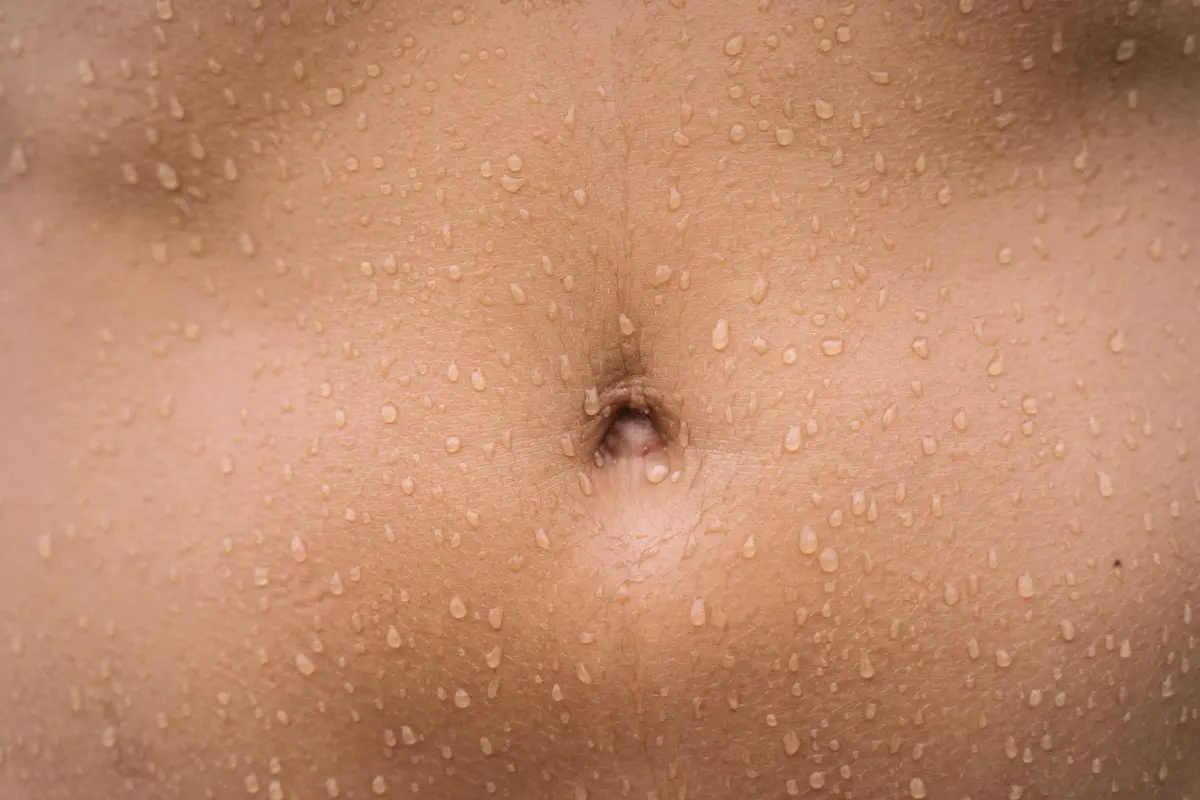
Most body moisture is lost through evaporation in the minutes following a shower. To counteract this, apply your hydrating product while the skin surface remains visibly damp. This traps the existing water molecules against the skin barrier before they can disperse into the air.
The process relies on a specific sequence of actions to ensure an even finish. Consistency remains the primary factor for achieving uniform skin suppleness.
Preparation involves having your chosen product within arm's reach of the shower stall. Delaying application by even a few minutes reduces the efficacy of the method.
- Difficulty
- Beginner
- Total time
- 5 minutes
- Cost
- Low
- Cadence
- Daily post-shower
Ingredients
- Glycerin: Draws existing surface water into the skin.
- Shea Butter: Acts as an occlusive to prevent evaporation.
Tools List
- Moisturising lotion or oil
- Clean hands
- Loose-fitting robe
Step by step
Exiting the shower
Step out of the shower and avoid using a towel to dry your skin completely. Instead, use your hands to gently sweep away excess water droplets. Keep your skin feeling noticeably damp to the touch before moving to the next step.
Tip: Do not stand directly under a high-speed fan or near an air vent.Dispensing the product
Warm the moisturizer in your palms by rubbing them together for several seconds. This fluidity makes the product easier to distribute over damp areas. Use a slightly larger amount than you would on dry skin to ensure coverage.
Tip: Start with a palm-sized dollop for each limb.Initial application
Begin applying the product starting at the extremities and working toward the torso. Use long, sweeping motions to emulsify the remaining water with the lotion. You will notice a slight white cast initially, which signifies the emulsion process.
Tip: Focus on joints like elbows and knees last.Final absorption
Continue massaging until the white cast disappears and the skin feels tacky rather than wet. This indicates that the moisture has been locked in by the occlusive elements of the product. Do not stop until the product feels fully integrated into the skin surface.
Tip: Use a light patting motion if the product remains stubborn.Post-application waiting
Allow the skin to air-dry for at least three minutes before dressing. Wearing tight fabrics immediately will absorb the product away from the skin. Loose-fitting robes or cotton garments are preferred during this settling time.
Tip: Leave the bathroom door closed to keep humidity levels slightly higher.
Trouble
My skin feels greasy after application.
You are likely using too much product. Reduce the quantity by half and ensure you are working the lotion into the skin until the white cast has completely faded.
Is this method suitable for all seasons?
Yes, although you may find you need a lighter weight lotion in the summer and a richer cream in the winter. The technique of applying to damp skin remains constant.
Does the temperature of the water matter?
Extremely hot water can disrupt the skin barrier, making it harder to retain moisture regardless of your technique. Use lukewarm water for the best results.
Can I use body oil instead of lotion?
Body oils act as sealants and work exceptionally well on damp skin. Apply the oil immediately after lotion or instead of it, following the same damp-skin application steps.
The transition from water to lotion must happen while the surface is still glistening.
Speed is the only variable that truly dictates success here.
Related: the post-shower window, body moisturising and which oils absorb fastest.