Selecting the Correct Brow Shade
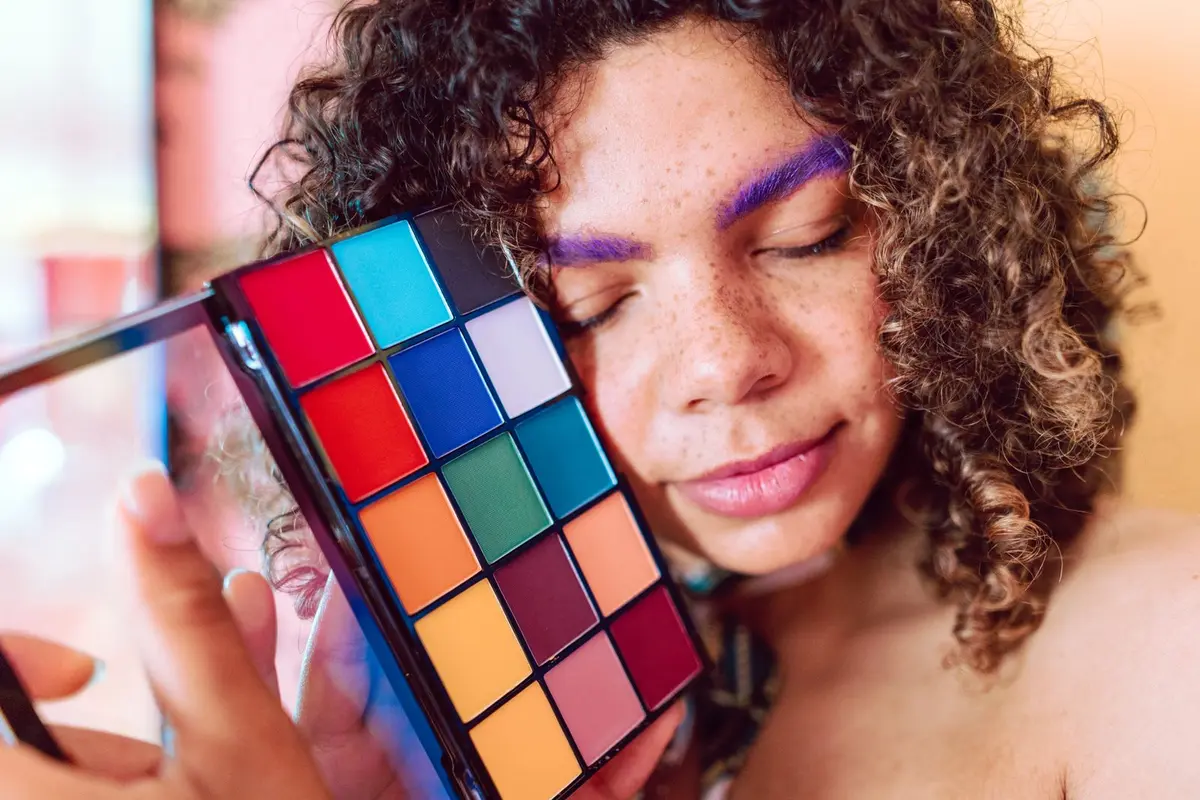
Selecting a brow product often results in choices that are either too dark or overly warm. The objective is to mimic the natural shadows already present within your brow hairs. Most consumers gravitate toward the color of their roots or their ends, but the correct shade typically exists in the mid-tone range of your natural hair growth.
Correct shade alignment provides structure to the face without appearing drawn-on or artificial. By understanding the relationship between hair depth and undertone, you can eliminate the trial-and-error process at the makeup counter.
- Difficulty
- Beginner
- Total time
- 15 minutes
- Cost
- Low to medium
- Cadence
- Quarterly purchase cycle
Ingredients
- Pigment: Provides the structural color
- Waxes: Ensures the pigment adheres to fine hairs
Tools List
- Spoolie brush
- Precision brow pencil
- Handheld mirror
Step by step
Determine your hair depth
Examine your hair in natural light. Categorize your color as fair, medium, or dark. Ignore highlights or lowlights, as these are artificial variations. Your brow shade should match the primary depth of your base hair.
Tip: Use an unfiltered window view for accurate assessment.Identify your undertone
Analyze your hair for cool or warm reflections. Cool hair features ash or silver tones; warm hair contains red or gold pigments. Select a product that mirrors this undertone to ensure the brow does not appear orange or grey against the skin.
Tip: Avoid products with excessive red pigment unless your hair is visibly auburn.Select the product opacity
Choose a formula density based on your current brow fullness. Pencils offer precision for sparse areas, while gels or powders are sufficient for full, coarse brows. Apply a light swatch on the back of your hand to view the true color density of the product.
Tip: Test the swatch near your wrist to observe how it layers.Perform the test application
Apply the product to the tail of the brow first. If the shade matches, bring it toward the center of the brow. Do not fill the front portion heavily, as this is where hair is typically finest and lightest in density.
Tip: Start with a light hand to build depth gradually.Assess in ambient light
View your completed brows under different lighting conditions. A correct shade should look like a natural shadow beneath your existing hairs. If the product appears distinct from the hair, the shade is likely too warm or too dark.
Tip: Always finish with a clear brow gel to set the texture.
Trouble
Why do my brows look orange?
This occurs when the product undertone is warmer than your natural hair. Switch to a product labeled as ash, neutral, or cool-toned to neutralize the appearance.
Should I match my brows to my highlights?
No. Highlights are artificial color additions. Matching your brow product to your natural base color preserves a cohesive facial appearance.
Is it better to go lighter or darker?
When in doubt, choose the lighter option. You can always build intensity with a pencil or powder, but a shade that is too dark is difficult to correct.
Can I use two different shades?
Yes. Using a lighter shade for the front of the brow and a slightly deeper shade for the tail can create a more dimensional and natural effect.
The goal is to mimic the natural shadow, not to draw a new frame.
Consistency in color selection saves significant time during the morning routine.
Related: selecting brow pigment for dark skin, hair-stroke technique with a brow pencil and brows.