Mastering Slip: Detangling Without Resistance
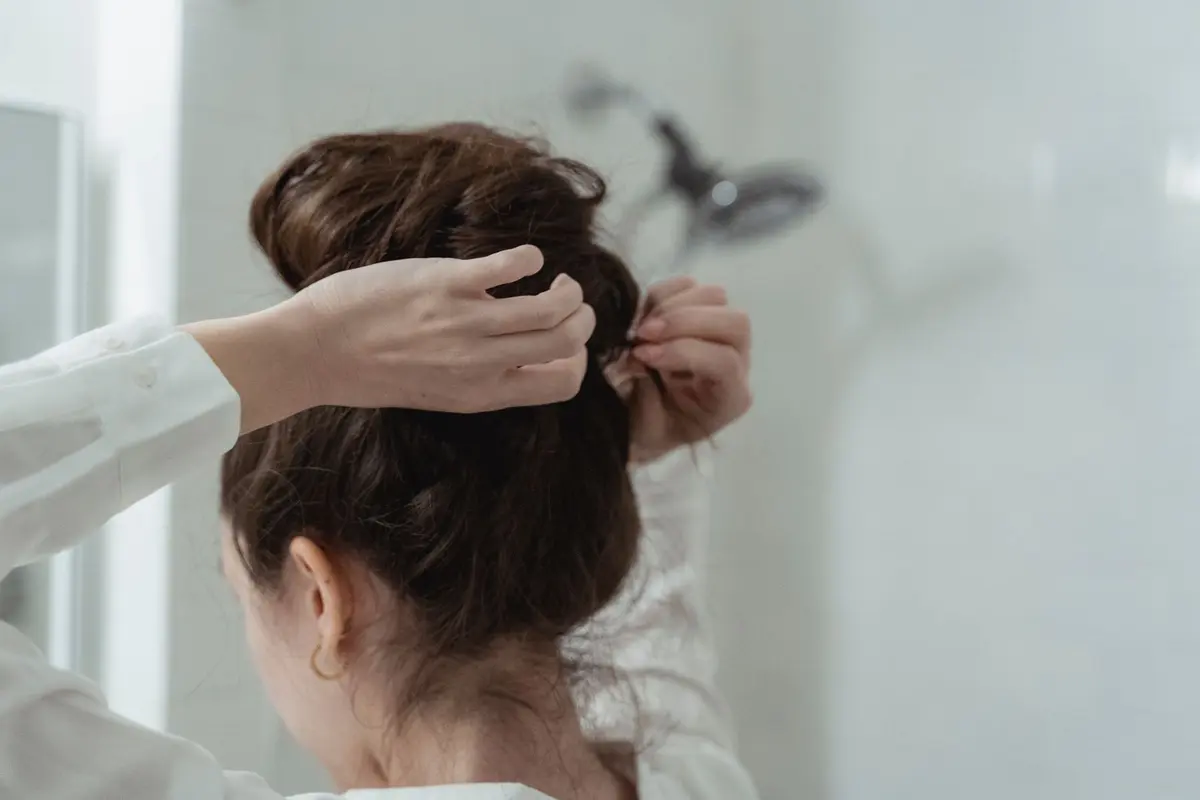
Slip describes the lubricity present on a hair strand when wet. This quality allows a tool or your fingers to move through the hair without catching on tangles or causing mechanical stress.
Inadequate slip leads to unnecessary friction, which results in fraying at the ends and snapped fibers. Achieving sufficient slip is a matter of layering the correct moisture and product density before you begin your detangling process.
Mastering this technique relies on saturating the hair completely and choosing the right medium for your specific hair texture.
- Difficulty
- Beginner
- Total time
- 15 minutes
- Cost
- Low
- Cadence
- Weekly or per-wash
Ingredients
- Fatty alcohols: Provides the necessary lubrication for hair strands
Tools List
- Wide-tooth comb
- Sectioning clips
- Smoothing conditioner
Step by step
Saturate the hair completely
Begin by rinsing your hair under warm water for several minutes until every section is fully soaked. Hair that is only damp will not facilitate the necessary movement for a comb to glide through. Ensure the water has reached the inner strands near the scalp, not just the surface layer.
Tip: Use a spray bottle if your hair is thick to ensure the middle sections are reached.Apply a slip-focused conditioner
Distribute a generous amount of a smoothing conditioner or a dedicated detangling agent throughout your hair. Focus the product on the mid-lengths and ends where tangles are most frequent. Avoid rubbing your hair together, which creates more knots.
Tip: Apply in downward, smoothing motions.Section the hair for manageability
Divide your hair into four to six distinct sections using clips. Working on the entire head at once leads to missed knots and uneven pressure. Focus your attention on one section at a time, keeping the remaining sections secured out of the way.
Tip: Smaller sections result in less pulling.Detangle from the ends upward
Insert your wide-tooth comb or your fingers at the very ends of the section. Gently ease out any tangles at the bottom before moving three inches higher. Continue this upward progression until the tool glides from root to tip without resistance.
Tip: If the tool stops moving, stop pulling and add more product.Rinse with controlled water pressure
Rinse the product out using a gentle stream of water. Ensure you do not tangle the hair during this process by keeping your hands in a smoothing position rather than scrubbing the hair. If you find your hair feeling sticky, you have used too much product.
Tip: Use a cool rinse to settle the cuticle.
Trouble
What do I do if my hair is matted?
Do not attempt to brush through a mat while dry. Saturate the area with a high-slip conditioner and use your fingers to gently loosen the knot from the outside in before using a comb.
Does my hair type dictate the product?
Yes. Finer hair textures require lightweight, water-based detanglers to avoid weighing the hair down. Coarser hair benefits from oil-based conditioners that provide a thicker barrier.
Why does my hair still snag at the ends?
Snagging at the ends is often due to existing physical damage or uneven length. Consistent trimming and extra focus on deep-conditioning the tips during your detangling routine will help.
Is a brush better than a comb for slip?
For detangling, a wide-tooth comb is safer because it allows for more control. Brushes with dense bristles can accidentally pull on knots instead of separating them.
Resistance is an indicator of friction, not a lack of effort.
Focus on the tactile feeling of the hair rather than the product brand.