A Guide to Solid Shampoo Bars
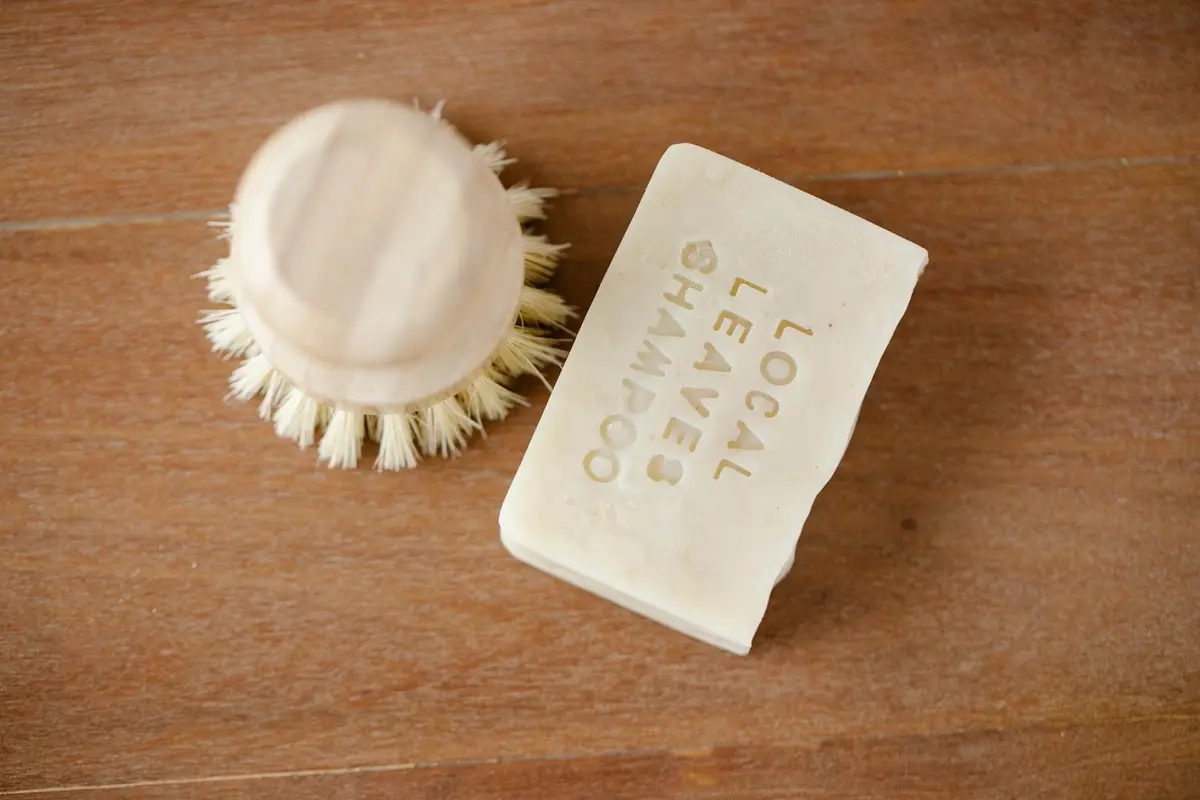
The shift toward solid hair cleansing agents is primarily driven by the desire to reduce packaging waste and improve portability. Unlike liquid formulations, solid bars rely on concentrated surfactants that require a distinct mechanical process to activate properly. When executed with precision, the result is hair that is effectively cleansed without the excess weight of travel-sized plastics.
Mastering the use of a bar requires adjusting how you distribute product across the scalp. By focusing on root aeration rather than mid-length scrubbing, you prevent product buildup and maintain the natural integrity of the fiber.
- Difficulty
- Beginner
- Total time
- 10 minutes
- Cost
- Low to medium
- Cadence
- Daily or as required
Ingredients
- Sodium Cocoyl Isethionate: A mild, effective surfactant that creates dense foam.
Tools List
- Ventilated soap dish for moisture control
Step by step
Saturate the hair completely
Begin by wetting your hair under a warm stream until every section is fully soaked. Water is the catalyst that allows the surfactants in the bar to create a functional lather. If the hair is insufficiently dampened, the bar will drag against the cuticle, leading to potential breakage.
Tip: Use a wide-tooth comb in the shower to ensure even saturation.Activate the lather in palms
Do not rub the bar directly against your scalp. Instead, wet the bar and lather it between your hands until a thick, dense foam develops. This prevents the concentration of product in one area, which can be difficult to rinse out.
Tip: Consistency should resemble whipped cream.Apply to roots only
Massage the foam into the scalp using the pads of your fingers. Focus the friction on the roots where sebum accumulates. Avoid piling your hair on top of your head, as this tangles the lengths and negates the cleansing benefit.
Tip: Use circular motions to stimulate the scalp.Rinse with intentional pressure
Rinse your hair under warm water for twice as long as you think is necessary. Solid bars can leave a residue if not flushed away completely. Use your fingers to lift sections of hair to allow the water to reach the scalp directly.
Tip: Check the nape of the neck for hidden residue.Immediate storage
Remove the bar from the shower area entirely. If left in a damp environment, the bar will lose its structural integrity and dissolve prematurely. Place it on a dry, ventilated surface to harden before the next use.
Tip: A cedar wood soap dish allows for proper drainage.
Trouble
Why is my hair feeling waxy?
Waxy residue is usually a result of incomplete rinsing or minerals in your water reacting with the soap. Increase your rinsing time or use a cooler water temperature to finish.
Does the bar stop cleaning effectively over time?
Bars do not expire in the traditional sense, but they can collect surface dust. If performance drops, lightly shave the outermost layer of the bar with a dry cloth to reveal a fresh surface.
Can I use the bar on my mid-lengths?
It is unnecessary and potentially damaging. The foam created at the roots will naturally cleanse the lengths as you rinse, preserving the moisture in the hair shaft.
How long should a bar last?
With proper drying techniques, a standard bar should provide between 40 and 60 washes. If it disappears faster, your storage method is likely keeping the bar too wet.
A solid bar is only as effective as the mechanical effort you invest in its lathering.
Consistency in your rinsing technique is the difference between a successful routine and a gummy mess.
More: travel routine, the bag is the edit and temperature control for gloss longevity.