Deciphering Shampoo Labels for Sulphates
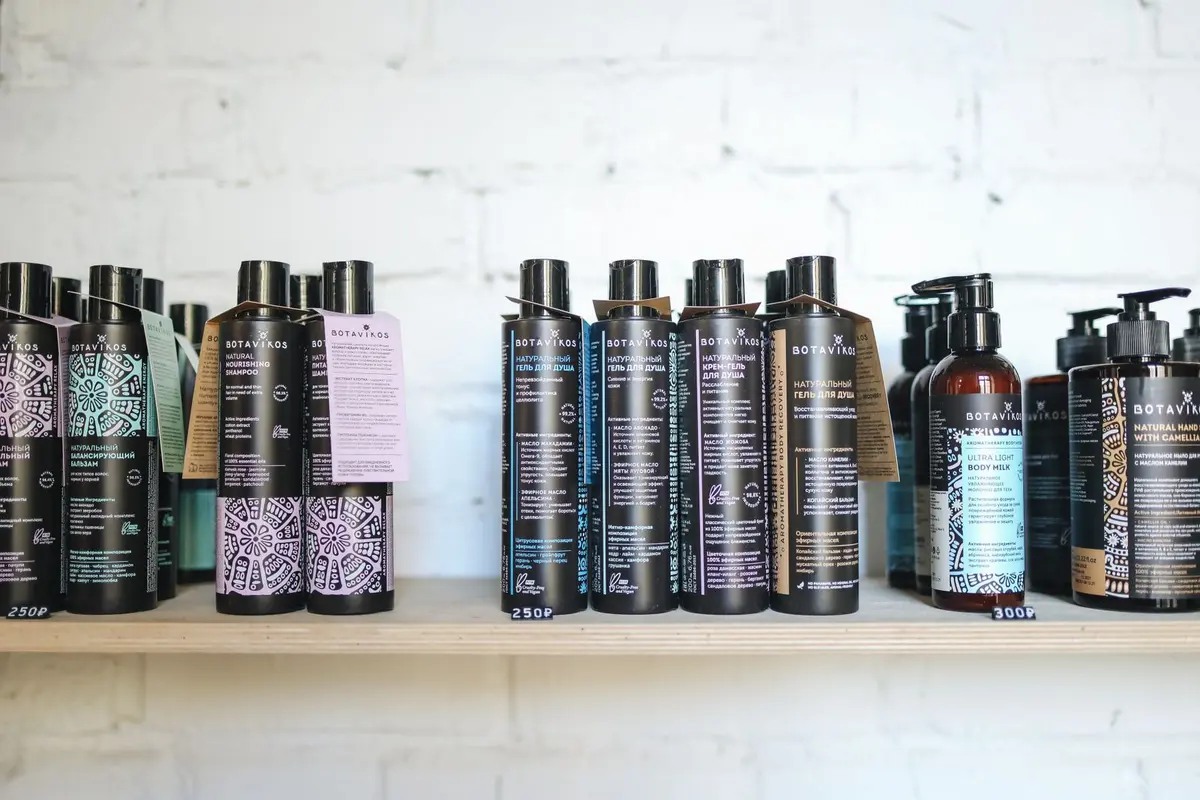
Navigating hair care ingredient lists requires a focus on the first five components, where the primary cleansing agents reside. Sulphates function as effective detergents, but their high-strength chemistry can affect the longevity of colour treatments. By learning to scan for specific chemical prefixes and suffixes, you can evaluate any bottle without relying on front-of-package marketing.
This process involves identifying the anionic surfactants responsible for foaming and clarifying. You do not need a degree in chemistry to discern whether a product aligns with a gentle, colour-preserving routine.
- Difficulty
- Beginner
- Total time
- 15 minutes
- Cost
- Zero cost
- Cadence
- One-time verification
Ingredients
- Sodium Lauryl Sulfate: Primary target to avoid for colour preservation
- Sodium Cocoyl Isethionate: Recommended gentle cleansing alternative
Tools List
- Magnifying glass or smartphone camera
Step by step
Locate the ingredient index
Turn the bottle to the side or back to find the printed list of ingredients, usually labelled as INCI or Ingredients. Ignore any marketing claims on the front of the packaging, as these are not legal descriptors of the contents. Ensure you are working under adequate light to distinguish the small text.
Tip: Use your phone camera to zoom in on the text if it is too small to read.Isolate the top five ingredients
Ingredients are listed in descending order of concentration. The primary surfactants, which are the ingredients that create the lather, appear almost immediately after water or conditioning agents. Scan only the first five items on the list, as everything thereafter typically exists in negligible amounts.
Tip: Look for the first mention of a substance that ends in -ate or -ide.Search for sulphate markers
Check specifically for the word sulphate or sulfate. The most common varieties are Sodium Lauryl Sulfate (SLS) and Sodium Laureth Sulfate (SLES). If either appears early in the list, the product is formulated with high-strength surfactants.
Tip: Keep a list of common sulphate synonyms on your phone for quick reference.Identify hidden alternatives
Some brands replace sulphates with ingredients that act in a similar fashion. Look for Ammonium Lauryl Sulfate or any ingredient containing the prefix 'Sodium' followed by 'olefin sulfonate'. While these are not technically traditional sulphates, they perform a similar function on the hair cuticle.
Tip: Recognizing these substitutes prevents accidental use of harsh cleansing agents.Verify the presence of mild surfactants
Confirm if the formula relies on milder alternatives such as cocamidopropyl betaine or sodium cocoyl isethionate. These ingredients are designed to provide a cleanse without stripping the hair of its artificial pigment. If these appear near the top of the list, the product is suitable for colour-treated hair.
Tip: Consistency in label reading ensures long-term colour vibrancy.
Trouble
What if the label lists 'Sodium Lauryl Sulfoacetate'?
Despite the naming similarity, this is a distinct compound. It is a large molecule that does not penetrate the hair as easily as traditional sulphates, making it generally gentler.
Is 'paraben-free' the same as 'sulphate-free'?
No. Parabens are preservatives and are entirely unrelated to the surfactant content. A product can be paraben-free while still containing harsh sulphates.
Why do some labels list 'sulphate-free' but still contain harsh cleansers?
Industry naming conventions vary. Some manufacturers use alternative harsh surfactants that mimic the effects of sulphates. Always read the ingredient list, not the marketing claims.
Can I use a sulphate shampoo once in a while?
If your hair is colour-treated, you will likely notice immediate pigment loss. It is recommended to avoid them entirely to protect the chemical investment in your colour.
The ingredient list is the only objective source of information on your shampoo bottle.
Focus on the first five ingredients; the rest is usually marketing.
Related: sulphate-free routine, deciphering your SPF ingredient list and colour and treatment.