Choosing a Dual-Voltage Hair Dryer for Travel
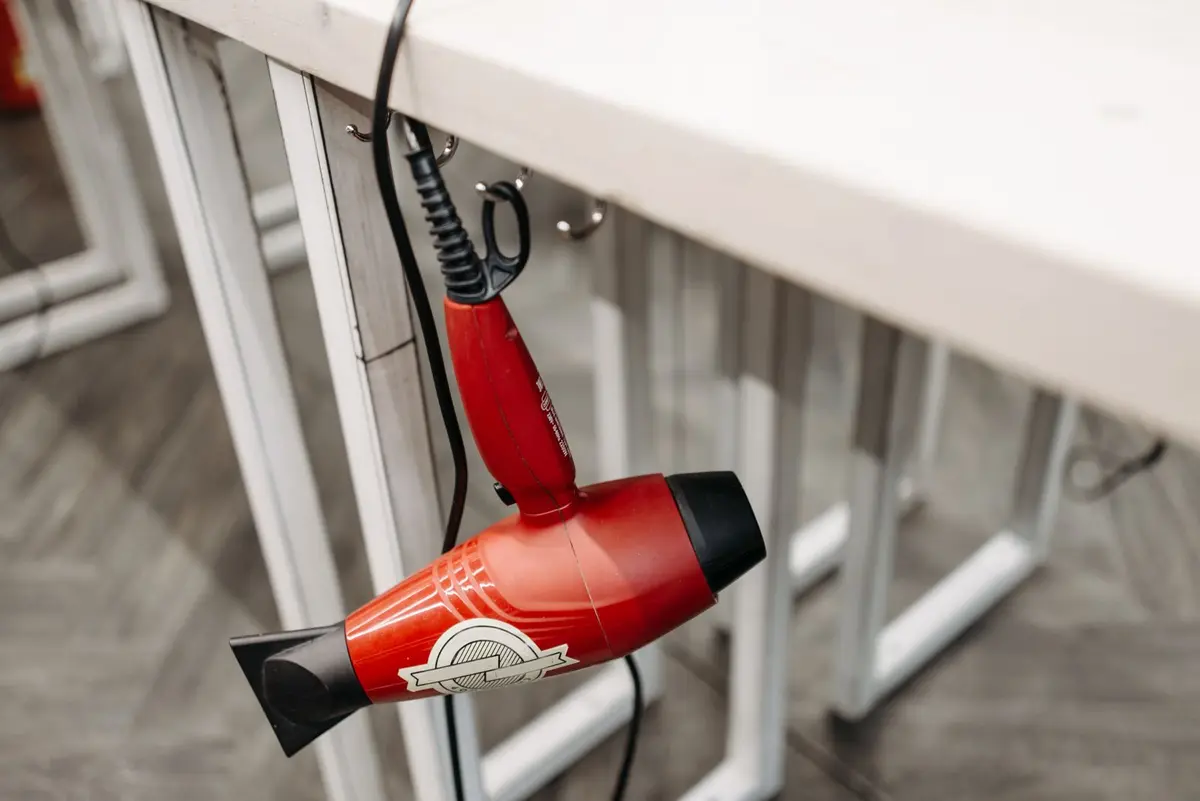
Traveling frequently necessitates an adjustment in your grooming habits, particularly regarding electrical hair tools. A standard domestic hair dryer is designed for specific voltage outlets and will often fail or pose a safety risk when connected to a foreign electrical grid. Understanding the difference between fixed and dual-voltage appliances is essential for maintaining your routine abroad.
Dual-voltage dryers include a mechanism that allows the motor to calibrate to different power outputs. Mastering the transition between these settings ensures the longevity of your device and prevents damage to your hair.
This guide covers the identification and operation of these tools.
- Difficulty
- Beginner
- Total time
- 15 minutes
- Cost
- Moderate
- Cadence
- As needed per travel
Ingredients
- N/A: This is a mechanical process guide.
Tools List
- Dual-voltage hair dryer
- Country-specific plug adapter
Step by step
Locate the voltage selector
Examine the handle or the base of your hair dryer for a small recessed screw or sliding switch. This interface will typically show two settings, usually labeled as 125V or 250V. If you do not see a toggle, your device is likely single-voltage.
Tip: Use a small coin or a flat-head screwdriver to turn the dial.Assess the destination grid
Identify the standard voltage of your destination. North America typically operates at 110-120V, while many European and Asian countries operate at 220-240V. Select the setting on your dryer that corresponds to the local standard.
Tip: Consult a travel voltage map before departing.Utilize a plug adapter
Dual-voltage refers only to the electrical current, not the shape of the wall outlet. You must utilize a physical plug adapter that fits the specific wall configuration of your country. Ensure the adapter is securely connected before engaging the dryer.
Tip: Avoid multi-functional power converters for simple dryers.Operate the appliance
Once the voltage and plug are aligned, power on the device at its lowest heat setting first. Observe the sound of the motor to ensure it is running at a normal pitch. Avoid using maximum heat if you notice the air flow is significantly slower than usual.
Tip: Listen for any irregular clicking or burning smells.
Trouble
The dryer is smoking, what do I do?
Unplug it immediately from the power source. This indicates an electrical fault, likely due to incorrect voltage selection, and the device should no longer be used.
Why does the dryer sound weak?
The motor may be struggling with the voltage transition or the electrical output in the building is unstable. Check that the switch is firmly clicked into the correct position.
Do I need a voltage converter?
No, if your dryer is truly dual-voltage, it contains its own internal conversion mechanism. A converter will often interfere with these electronics.
Can I use it on the wrong setting just once?
Do not attempt this. Using a 110V device on a 220V outlet without switching the voltage will result in an immediate electrical overload and likely permanent destruction of the dryer.
Voltage compatibility is the difference between a functional tool and a potential fire hazard.
Never assume a travel dryer is universal; always verify the switch setting before plugging it into a foreign wall.
Related: travel routine, the bag is the edit and hair routine.