Choosing Your Transition: Big Chop vs. Gradual Cut
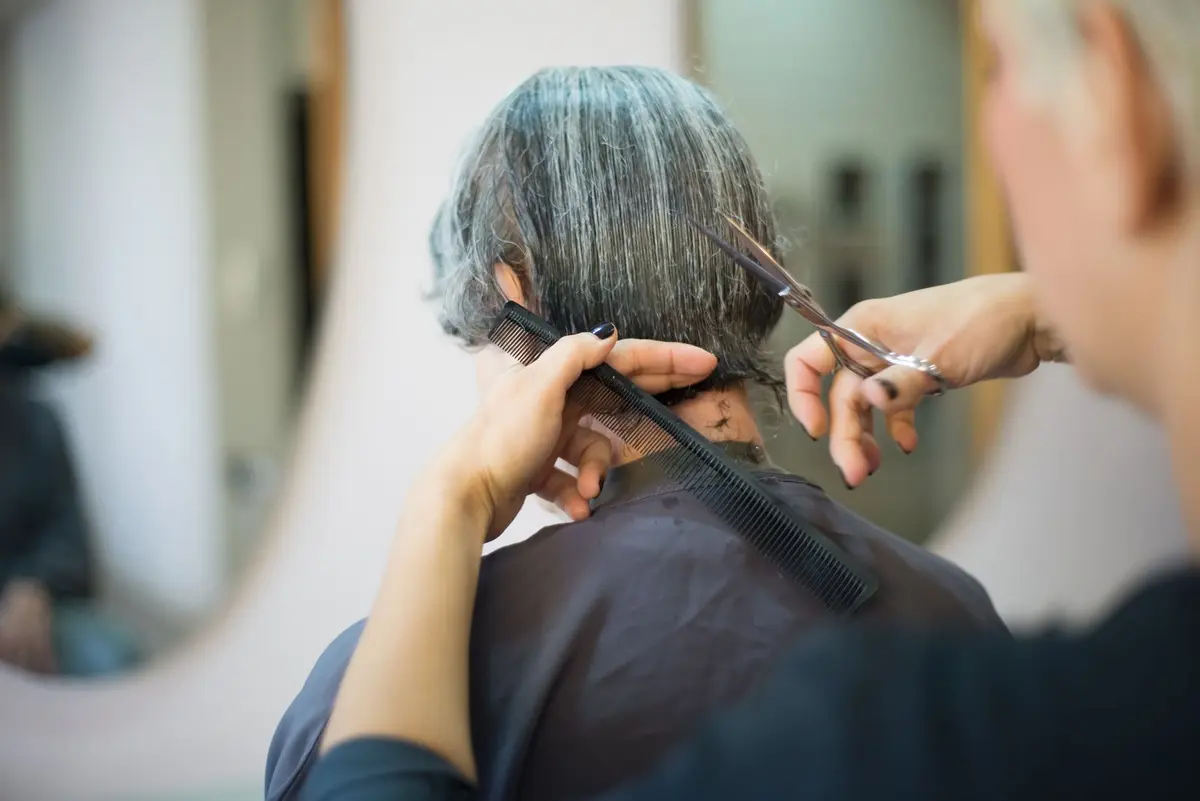
Returning to your natural hair texture requires choosing between two distinct methods of removal. The big chop involves an immediate transition, while a gradual cut utilizes incremental trimming to phase out previous damage.
Both methods are standard practice for those seeking to remove chemically straightened or heat-damaged ends. Your choice depends on your patience level, your willingness to manage two textures simultaneously, and your comfort with shorter hair lengths.
- Difficulty
- Beginner
- Total time
- 1 to 12 months
- Cost
- Low to moderate
- Cadence
- Seasonal assessment
Ingredients
- Water: The baseline for maintaining natural hair elasticity.
Tools List
- Professional-grade hair shears
Step by step
Assess the current state of damage
Examine the demarcation line between your natural growth and the processed ends. If the ends appear thinned, frayed, or show a lack of curl pattern compared to the root, they are candidates for removal. Note the length of your natural growth to determine if you are ready for a shorter style.
Tip: Use a wide-tooth comb to isolate textures.Select your transition strategy
The big chop requires cutting all processed length at once, usually resulting in a very short natural style. The gradual cut involves trimming two inches every six to eight weeks. Select the approach that aligns with your professional and personal aesthetic preferences.
Tip: Set a firm calendar date for the next trim if choosing the gradual route.Execute the cut
Use shears specifically designed for hair to avoid split ends caused by dull blades. Cut slightly above the demarcation line to ensure no damaged hair remains. Work in sections to ensure the cut is even across the back, sides, and crown.
Tip: Cut on clean, detangled, dry hair to see length clearly.Adjust your maintenance routine
Once the processed hair is removed, minimize tension and heat to maintain the health of your natural texture. Focus on deep moisture to keep the curl pattern defined. If you chose the gradual cut, continue to protect the delicate point where the two textures meet.
Tip: Use satin or silk accessories to reduce friction.
Trouble
How do I manage the two textures?
Utilize styles that require minimal manipulation, such as twists or braids. These protective styles hide the demarcation line and prevent the two textures from snagging on each other.
Is the big chop more efficient?
The big chop is the most efficient method for removing damage. However, it requires a higher degree of comfort with short hair compared to the gradual cut.
Why is my hair still breaking?
Even with trimming, breakage occurs if the ends are not properly moisturized. Ensure your detangling process is gentle and performed with significant slip.
Should I cut it all at once?
Only if you are prepared for the immediate change in your profile. If you have any hesitation, the gradual cut offers a more controlled visual transition.
Consistency in maintenance is more critical than the speed of the transition.
Transitioning is as much a psychological adjustment as it is a physical one.