The Big Chop: Preparing for a Hair Transition
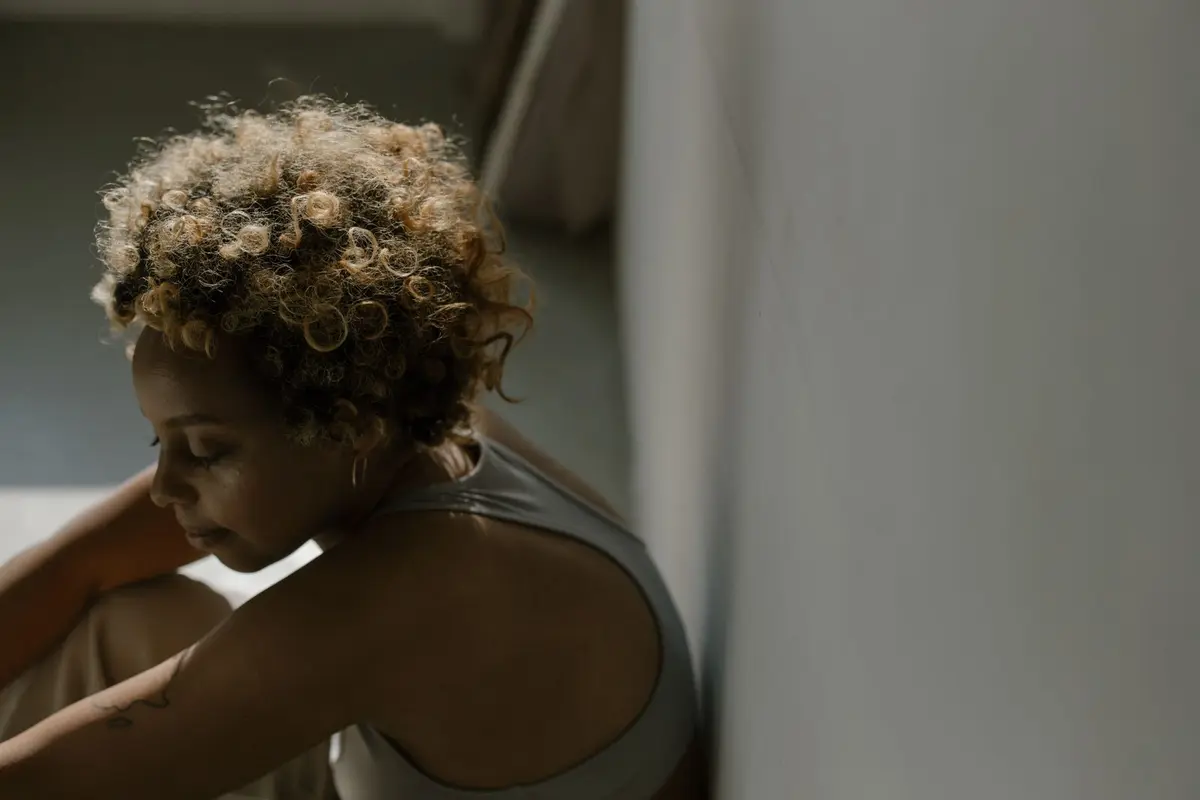
The decision to perform a big chop is rarely solely about hair length. It is a process of removing damaged or chemically altered hair to reveal a new physical reality, which often necessitates a period of psychological adjustment.
Preparation requires more than identifying a shape; it requires an inventory of your expectations regarding your visual identity. Before committing to the shear, ensure you are ready for the immediate change in daily styling habits and the shift in how your profile appears in a mirror.
- Difficulty
- Beginner
- Total time
- 1 hour
- Cost
- Low to medium
- Cadence
- One-time event
Ingredients
- Water: The primary agent for revealing natural curl patterns.
Tools List
- Professional-grade hair shears
Step by step
Define your threshold
Audit your motivation for the change. Separate the desire for a new style from the frustration of current hair maintenance. Document your current hair state with photos to create a baseline for future growth.
Tip: Keep these photos in a private folder for personal reference.Secure the environment
Choose a space where you can view your reflection from multiple angles. Remove distractions and ensure you have adequate lighting. Prepare to sit with the immediate result for several hours before rushing to apply styling products.
Tip: Use a handheld mirror to verify the nape area.Section and clear
Divide hair into clean, manageable segments. Work with the grain of your growth pattern to avoid uneven edges. This step is about controlled removal rather than stylistic shaping, which can be refined later.
Tip: Use clips to keep loose hair off your face.Establish the new perimeter
Execute the cut along the line you previously identified. Move slowly and monitor the tension in your hands to ensure the hair is not pulled too taut, which can lead to an uneven finish. Observe the natural recoil of your texture.
Tip: Cut slightly longer than your target length to account for shrinkage.Observe the reaction
Allow your hair to air dry fully. This is the period where your visual perception of yourself will be most acute. Note how your silhouette has changed and how your facial features are framed by the lack of length.
Tip: Wear a simple headband if you feel exposed.
Trouble
Why do I feel a sense of loss after cutting my hair?
Hair is a primary marker of visual identity. A drastic change disrupts your internal self-image, which requires time to realign with your new physical appearance.
How do I deal with the immediate lack of volume?
The change in shape is significant. Focus on hydration to encourage your natural texture to sit at its fullest potential rather than relying on volume-building products.
Is it normal to feel impatient for growth?
Yes, the early stages of a transition can feel static. Use this time to observe how your hair reacts to climate and moisture without the weight of excess length.
How do I handle unwanted comments from others?
Prepare a brief, neutral response to redirect the conversation. Your hair choice is a private preference and does not require external validation or public debate.
A big chop is the physical shedding of the old to make room for the new texture.
The mirror is not the enemy here, even if the reflection takes some getting used to.
For the cut itself and the months after, see the big chop, growing out and coily hair guides.