Styling Hair in Transition
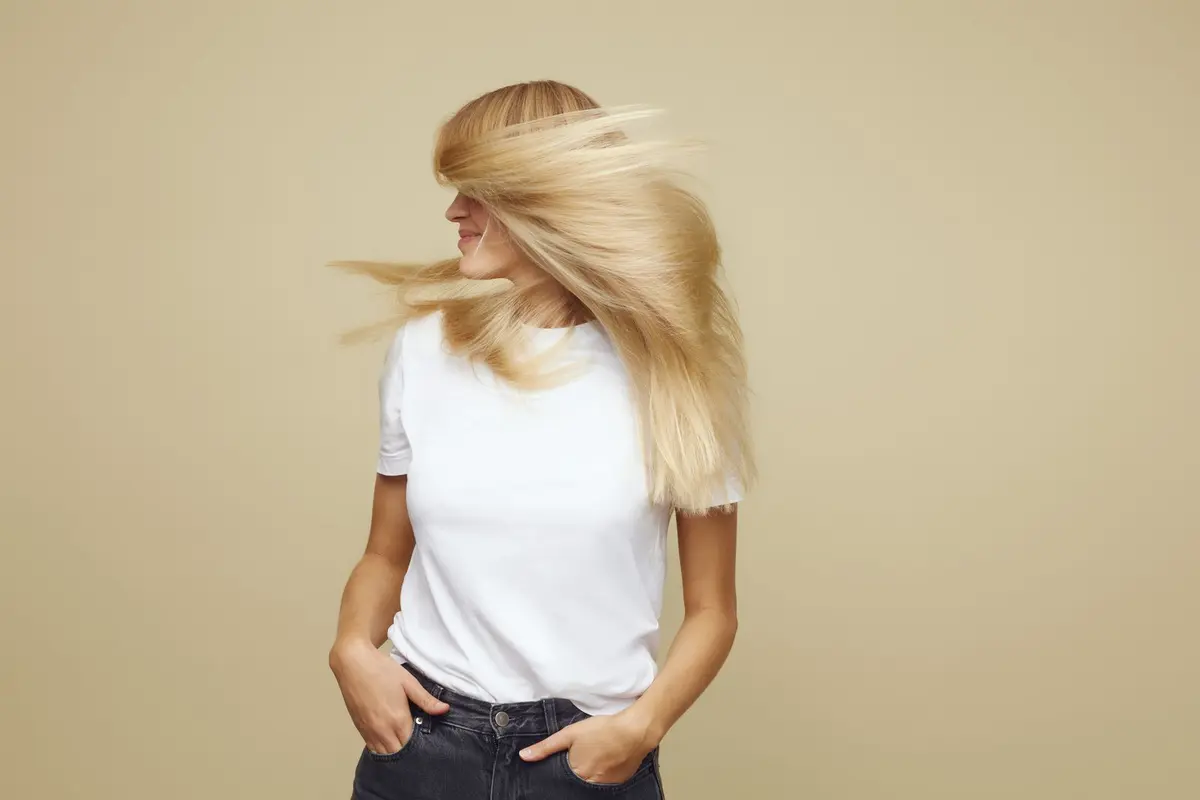
Hair growth cycles often result in an awkward middle ground where weight distribution shifts and previously functional shapes lose their structural integrity. Rather than attempting to force hair into a style that no longer fits, the goal is to manage volume and texture to create an appearance of intentionality. This process relies on changing the direction of the hair fibers to accommodate uneven lengths.
True growth management requires a shift in how you use tools to manipulate density. By focusing on weight displacement, you minimize the visual disruption caused by uneven ends.
- Difficulty
- Beginner
- Total time
- 15 minutes
- Cost
- Minimal
- Cadence
- Daily maintenance
Ingredients
- Panthenol: Provides lightweight moisture and structure.
- Beeswax: Offers flexible hold for styling ends.
Tools List
- Blow dryer with concentrator nozzle
- Mid-sized ceramic round brush
- Light-hold styling cream
- Polishing pomade
Step by step
Clarify the roots
Begin by removing product buildup that causes hair to clump at the roots. Heavy residue often forces hair to lay flat in sections, highlighting uneven growth patterns. Use a standard cleansing process, then blot with a microfiber towel to prevent cuticle swelling.
Tip: Cold water rinse at the end aids cuticle smoothness.Apply lightweight structural support
Distribute a water-based styling cream through damp mid-lengths. Focus application away from the scalp to maintain natural volume without weighing down shorter sections. Comb through using a wide-toothed tool to ensure even saturation.
Tip: Less is preferred; you can always add more.Redirect with tension
Use a round brush to blow dry hair in the direction you want it to sit. For lengths that are prone to flipping, use the brush to create a subtle C-shape curve toward the face. This disguises the variation in length by creating a uniform silhouette.
Tip: Use the nozzle attachment to focus heat.Fix the texture
Once fully dry, use a small amount of polishing pomade to define the ends. Taper the ends slightly by rubbing the product between palms and pressing gently onto the hair. This prevents jagged growth from appearing disjointed.
Tip: Avoid oily serums that attract dust.Set the silhouette
Finish with a light-hold spray held at least twelve inches from the head. This keeps the hair in its redirected position without creating a stiff or crunchy texture. A light mist is sufficient to maintain the structure for the duration of the day.
Tip: Brush through lightly after the spray dries.
Trouble
Why does my hair flip out at the shoulders?
Hair commonly catches on the shoulders as it grows. Redirect the ends inward toward the neck using a round brush during the blow-dry process to counteract this physics-based issue.
Can I use a flat iron to smooth it?
High heat can cause breakage on the thinner ends typical of mid-growth. Focus on blow-drying with tension instead to minimize physical damage.
My layers look uneven now.
As layers grow out, they will sit at different positions. Use texturizing pomade to blend the lengths rather than trying to pin them back, which often reveals the unevenness.
How often should I restyle?
This technique is designed for daily maintenance. If your hair texture changes due to humidity, a light spritz of water and a quick run-through with a brush will reset the shape.
Consistency in direction is more effective than attempting to force a shape that doesn't exist.
Focus on the integrity of the hair health rather than the speed of growth.
Related: growing out, the big chop: preparing for a transition and how to blow dry without it looking blow-dried.