A Functional Approach to Foot Care
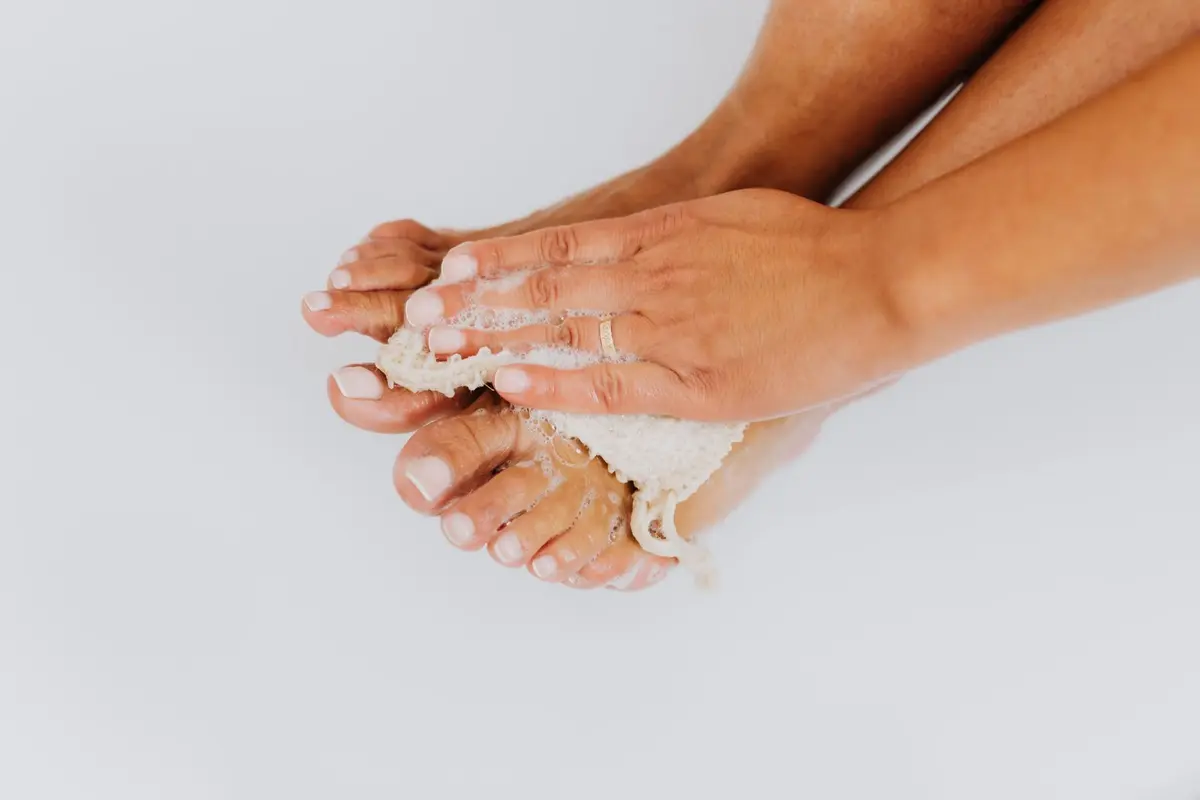
Feet endure significant mechanical stress daily. Neglecting the skin on the soles often leads to structural dryness and the thickening of surface layers. A basic routine focused on hydration and manual smoothing restores the natural barrier of the skin.
The objective here is simple: soften calloused areas and maintain moisture levels without introducing complex equipment. Regularity is more effective than intermittent, aggressive efforts.
- Difficulty
- Beginner
- Total time
- 20 minutes
- Cost
- Low
- Cadence
- Weekly maintenance
Ingredients
- Urea: Assists in breaking down thickened skin surface.
- Glycerin: Draws moisture into the skin barrier.
- Petrolatum: Acts as an occlusive to lock in applied moisture.
Tools List
- Pumice stone or ergonomic foot file
- Heavy-duty emollient cream
- Clean cotton socks
Step by step
Prepare the skin
Begin by soaking your feet in warm, plain water. The objective is to gently rehydrate the stratum corneum rather than deep-cleaning. Five minutes is sufficient to soften the surface without over-saturating the tissue. Pat the skin dry thoroughly, ensuring the spaces between the toes are addressed.
Tip: Use lukewarm water to avoid stripping natural oils.Mechanical exfoliation
Use a pumice stone or a dry foot file on areas where thickening is evident. Move in a circular, light-pressure motion to remove only the outermost dead skin cells. Do not attempt to achieve a perfectly smooth surface in one sitting, as this can cause discomfort.
Tip: Always move the file in one direction rather than sawing back and forth.Rinse and pat dry
Rinse the feet once more to remove any debris loosened during exfoliation. Use a clean towel to remove all moisture. Residual dampness creates an environment conducive to friction and discomfort during daily activity.
Tip: Ensure the skin is bone-dry before moving to the next step.Apply occlusive moisture
Apply a thick, unscented foot cream or a plain humectant-based balm to the soles. Focus on the heel and the ball of the foot. Use enough product so that it sits on the surface for a moment before you begin to massage it in.
Tip: Look for ingredients like urea, glycerin, or petrolatum.Seal with cotton
Slip on clean, breathable cotton socks immediately after application. This prevents the cream from rubbing off on surfaces and facilitates better absorption. Keep the socks on for at least five minutes, or until the cream is fully absorbed into the skin.
Tip: Use socks with at least 80 percent cotton content.
Trouble
How often should I file?
Once a week is the standard for most. If you notice sensitivity, decrease this to bi-weekly.
Can I use body lotion instead?
Body lotions are often too thin. You require a dedicated foot cream with a higher viscosity to manage the thicker skin on the soles.
What if my skin is still dry?
Increase the frequency of your nighttime application of cream without the exfoliation step. Nightly application is often more effective than aggressive filing.
Is the pumice stone too harsh?
If used dry, yes. Ensure the skin is damp and the pressure remains very light. If you prefer, a soft washcloth can act as a gentler alternative.
Consistency in maintenance is the only way to manage skin thickness on the soles.
Focus on the basics; feet do not require complicated chemistry to stay in good condition.