Fragrance-Free After-Sun Care for Reactive Skin
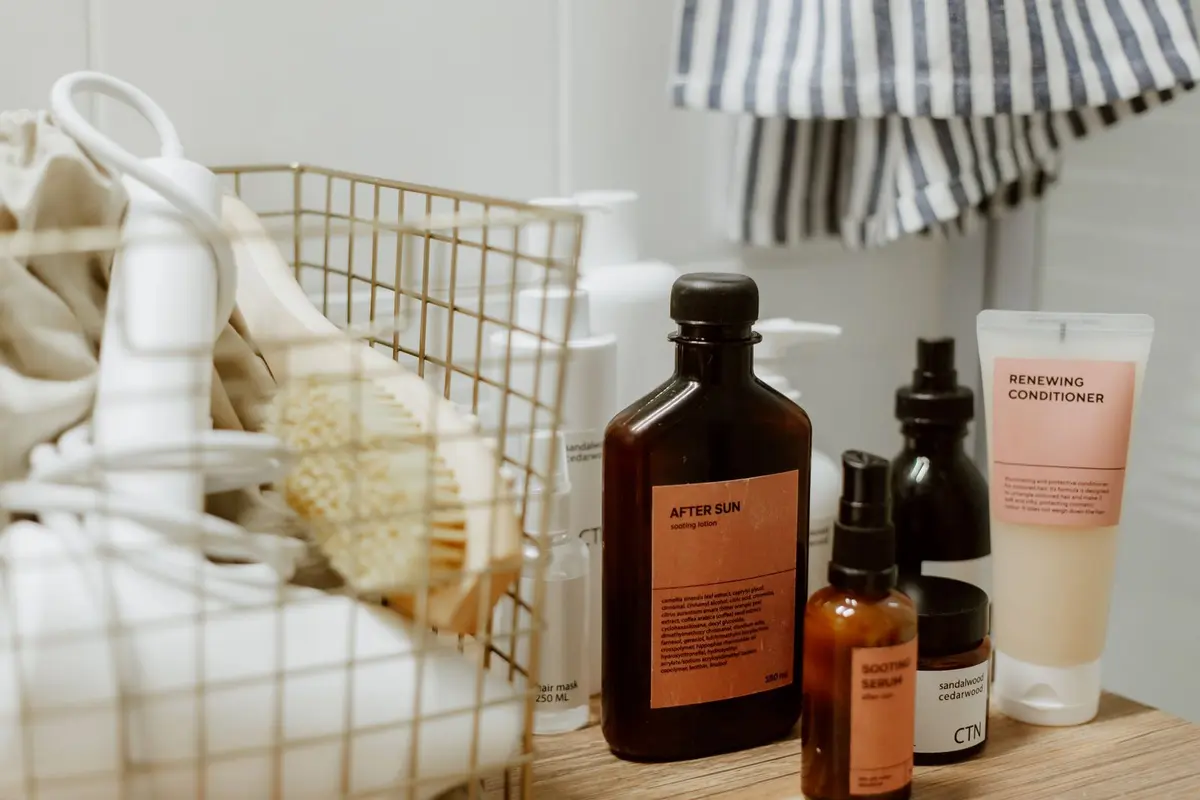
Exposure to solar heat often leaves reactive skin in a state of heightened sensitivity. When skin barrier integrity is compromised by thermal stress, common cosmetic additives like synthetic or natural fragrances frequently trigger inflammation or stinging. Adopting a fragrance-free protocol prioritizes the stabilization of the moisture barrier rather than masking the experience with cooling menthols or perfumes.
This guide details the mechanical approach to lowering skin surface temperature and replenishing lost hydration. By stripping the routine down to inert, humectant-heavy compositions, you allow the skin to reset.
- Difficulty
- Beginner
- Total time
- 15 minutes
- Cost
- Moderate
- Cadence
- Daily post-exposure
Ingredients
- Glycerin: Essential for drawing water into the skin.
- Ceramides: Crucial for repairing the compromised lipid barrier.
- Squalane: An inert oil that mimics natural sebum.
Tools List
- Tepid water source
- Fragrance-free humectant serum
- Ceramide-based body cream
- Clean cotton towel
Step by step
Cool the surface
Begin by rinsing the skin with tepid, not cold, water. Avoid soap or body washes during this initial rinse to prevent further striping of oils. Gently pat the skin dry with a clean cotton towel, ensuring you do not rub or drag the fabric across the surface.
Tip: Use a light tap-dry motion to remove excess water.Apply a base humectant
While the skin remains slightly damp, apply a fragrance-free, water-based gel or lightweight lotion. Focus on formulas containing glycerin or hyaluronic acid, as these draw moisture into the stratum corneum without leaving a heavy, heat-trapping film. Distribute the product evenly across the exposed areas.
Tip: Do not skip the damp skin application.Seal with a lipid
Once the initial hydration layer is absorbed, apply a secondary layer consisting of a simple emollient like shea butter, squalane, or ceramides. This layer functions as an occlusive, preventing transepidermal water loss while the skin stabilizes. Ensure the product is labeled non-comedogenic if you have concerns regarding pore congestion.
Tip: Press the product into the skin rather than rubbing it.Allow for thermal release
Stay in a cool, well-ventilated environment for several minutes following the application of your products. Avoid wearing tight or synthetic clothing that may trap heat against the skin. Allow the surface to reach a neutral temperature naturally before proceeding with your evening.
Tip: Use a desk fan for gentle air circulation.Minimize tactile friction
Keep the treated areas loose and free from friction for the remainder of the evening. Friction can exacerbate heat-stressed skin, leading to unwanted texture or sensitivity. If you must wear clothing, opt for loose-weave natural fibers like cotton or linen.
Tip: Check that all clothing is washed in fragrance-free detergent.
Trouble
Why is my skin still feeling hot?
Heat retention is often a result of occlusives being applied too thickly. Use a lighter hand during the day and ensure your environment is sufficiently climate-controlled.
Can I use aloe vera?
Only if it is pure, colorless, and fragrance-free. Many commercial aloe products contain green dyes and perfumes that irritate reactive skin.
Should I reapply in the middle of the night?
Generally no. If your skin is adequately hydrated before sleep, overnight reapplication is unnecessary and may disrupt the skin's natural repair cycle.
How do I identify a hidden fragrance?
Check the ingredient list for terms like parfum, linalool, limonene, or essential oils. If a product smells pleasant, it likely contains an added fragrance.
Fragrance is an additive, not a treatment; when skin is reactive, subtract everything that serves no functional purpose.
Fragrance-free does not mean scentless; these products have a natural, clinical smell. Learn to trust it.
See also: after-sun care, body SPF and sun care for tattooed skin.