Winter Body Care: Managing Indoor Air Effects
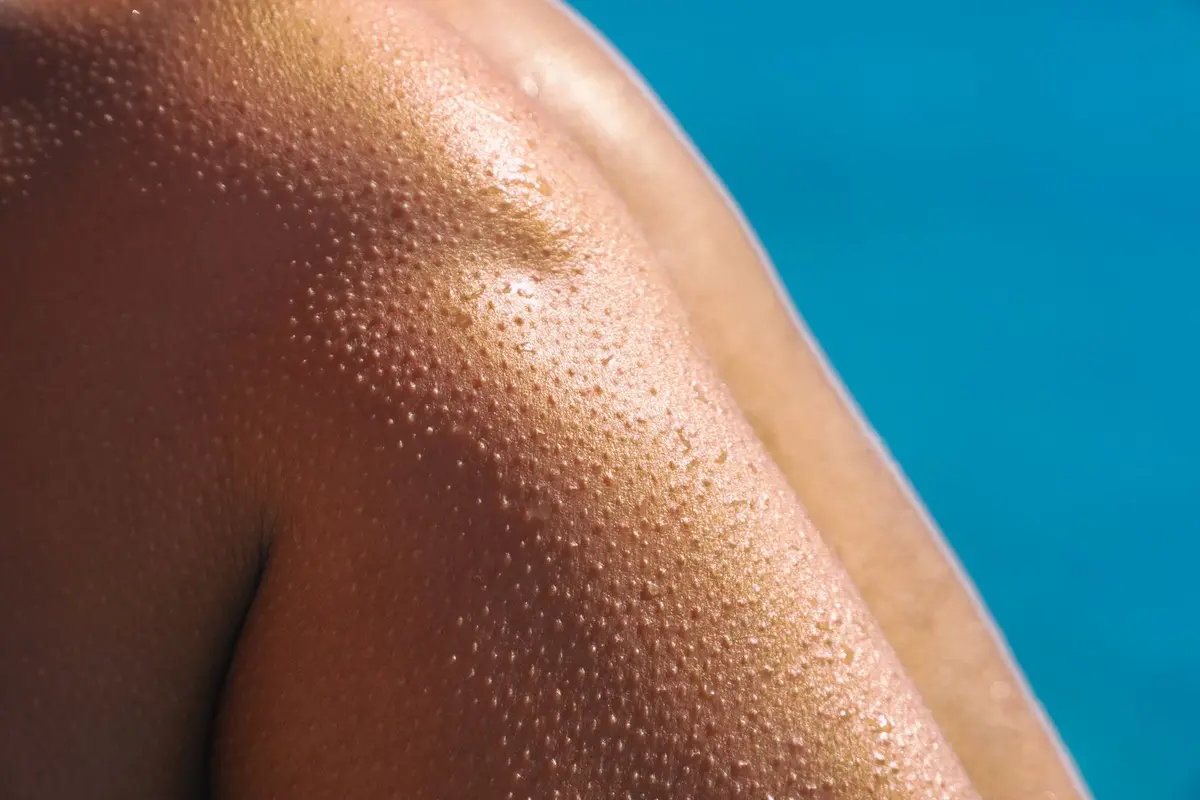
Residential heating systems regulate temperature by reducing ambient humidity. When the air moisture content drops, the skin’s stratum corneum loses water to the surrounding environment through a process called transepidermal water loss. This depletion is rarely the result of a single day, but rather the cumulative effect of spending hours in climate-controlled rooms.
Correcting this requires a shift in the timing of application and the texture of your chosen emollients. You are not treating an underlying condition, but rather managing the surface integrity of the skin.
- Difficulty
- Beginner
- Total time
- 15 minutes
- Cost
- Low
- Cadence
- Daily
Ingredients
- Glycerin: Draws moisture into the skin
- Petrolatum: Forms a barrier against evaporation
Tools List
- Humidifier
- Glycerin-based body cream
- Occlusive body oil
Step by step
Transition to lukewarm water
Hot water strips natural lipids from the skin surface. Set your shower temperature to a lukewarm level to preserve the lipid barrier before you begin your moisturising routine. Limit your time in the water to under ten minutes.
Tip: Use a thermometer if you are unsure of the temperature.Apply moisture to damp skin
Immediately after exiting the shower, do not dry your skin completely. Leave the surface slightly damp to the touch to trap residual water. This provides the primary moisture source for your secondary product application.
Tip: Pat the skin; do not rub with the towel.Use humectant-heavy layers
Apply a body cream containing humectants such as glycerin or urea. These molecules draw water molecules to the surface of the skin. Ensure the layer is applied evenly across all extremities.
Tip: Focus on the lower legs and elbows.Seal with occlusive agents
Apply a secondary layer of a thicker, occlusive balm or oil. This creates a physical barrier that prevents the humidity-depleted air from drawing moisture out of your skin. This step is essential if you spend the majority of your day in heated office or home environments.
Tip: Apply in thin, deliberate layers.Environment humidification
If possible, place a humidifier in your primary workspace or bedroom. Maintaining a relative humidity between 40 and 50 percent will significantly reduce the demand placed on your topical products.
Tip: Check water levels daily to prevent bacterial growth.
Trouble
Why does my skin feel tight immediately after drying?
Tightness indicates that the evaporation rate of your surface water is too high. You are likely drying off too aggressively or using water that is too hot. Keep the skin damp and transition to a gentler drying method.
Can I use the same cream for my face and body?
While the chemistry is similar, body skin is thicker and often requires a higher concentration of occlusives than facial skin. Use a dedicated body formula for the most efficient results on larger surface areas.
What if my skin still feels dry by mid-afternoon?
The air in your environment is likely drawing out moisture faster than your current products can hold it. Apply a lightweight lotion or a thin layer of oil as a touch-up during the day to restore the barrier.
Are natural oils better than synthetic lotions?
Efficiency is defined by the combination of humectants and occlusives. A formula that provides both is generally superior to a singular natural oil, which may lack the humectant properties needed to attract water.
The skin barrier is not a wall, but a sponge that responds to the air around it.
Hydration is not about adding water; it is about keeping what you have.
More: winter body care, body moisturising and which oils absorb fastest.