Optimizing Moisture with Body Oil
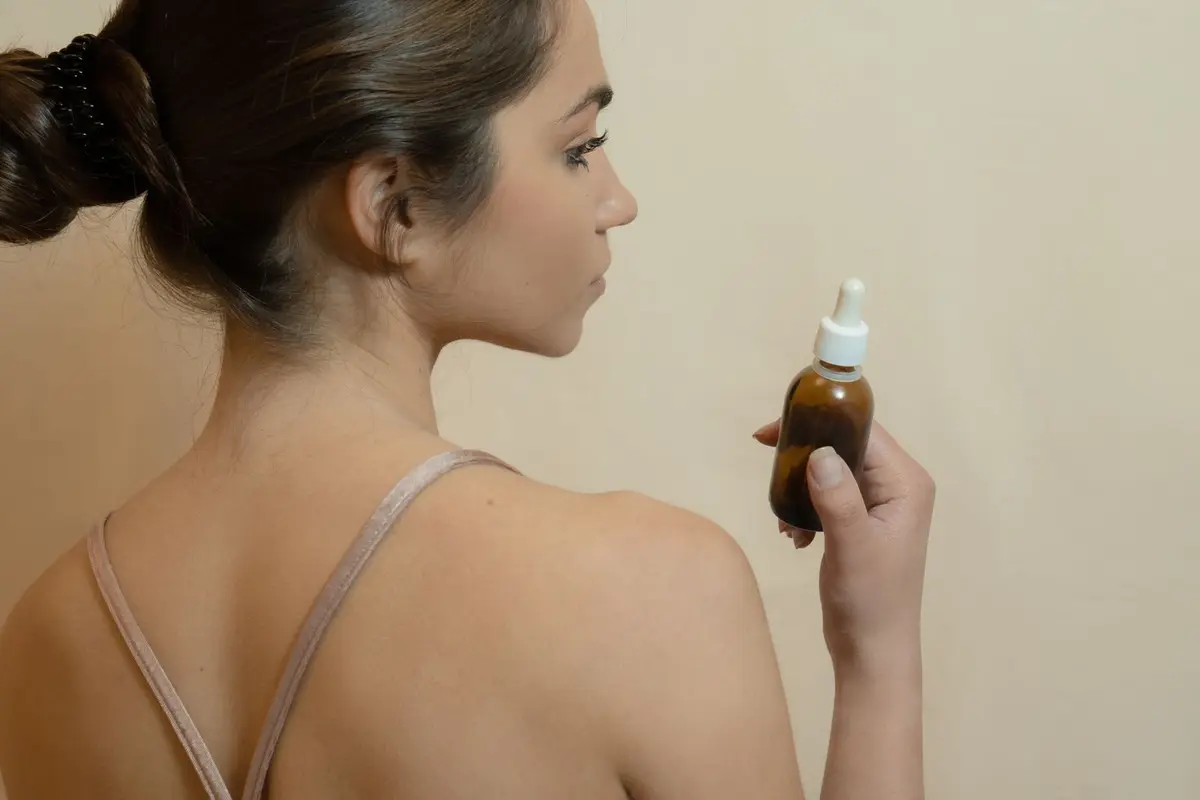
The efficacy of body oil is entirely dependent on the hydration state of the skin at the moment of contact. Water sits on the skin surface post-shower, providing a brief window where the epidermis is primed to accept and retain moisture before evaporation occurs. If you apply oil to bone-dry skin, you create a barrier over nothing, resulting in a superficial finish that does not address deep-layer hydration.
This protocol focuses on the occlusion method. By trapping water molecules beneath a thin, uniform film of oil, you mimic the skin’s natural lipid barrier. Following this sequence ensures maximum absorption and a non-greasy finish that lasts throughout the day.
- Difficulty
- Beginner
- Total time
- 5 minutes
- Cost
- Variable based on lipid source
- Cadence
- Daily post-shower
Ingredients
- Jojoba oil: Mimics human sebum for superior integration
Tools List
- High-quality base oil (jojoba, sweet almond, or apricot kernel)
Step by step
Prepare the skin surface
Finish your shower with lukewarm water. Pat your skin gently with a towel so it remains damp but not dripping. If you leave the skin completely saturated, the oil will not emulsify correctly and may slide off.
Tip: Use a microfiber towel to remove excess moisture without aggressive friction.Warm the oil
Dispense a small amount of oil into your palms. Rub your hands together vigorously for ten seconds to elevate the temperature of the oil. This improves the flow and spreadability of the lipids.
Tip: Start with a dime-sized amount; add more only if necessary.Apply using effleurage
Use long, sweeping strokes starting at your ankles and working upward toward your heart. This movement assists in even distribution across large surface areas. Focus on joints like knees and elbows where the skin is often thinner and more prone to dryness.
Tip: Apply firmly to ensure the oil integrates with the residual water.Press, do not rub
Once the oil is distributed, switch to a pressing motion with flat palms. This technique helps the oil bond with the surface moisture. Do not rub the skin harshly, as this can create unnecessary heat and potential irritation.
Tip: Pay attention to areas that feel tight or prone to flaking.Wait before dressing
Allow the oil to set for at least one minute before coming into contact with clothing. If you dress immediately, the friction will remove the oil before it has the opportunity to fully stabilize on the skin.
Tip: Use this time to air dry rather than using a towel.
Trouble
Why does my oil feel greasy after an hour?
You are likely using too much product. The skin has a limited capacity for absorption. Reduce your dose by half and focus on pressing rather than massaging.
Can I layer lotion under the oil?
Yes, this is an effective layering strategy. Apply a water-based lotion first to introduce moisture, followed by the oil to act as the sealant. Ensure the lotion is fully absorbed before applying the oil.
Is the temperature of the water important?
Yes. Very hot water strips natural oils from the skin, necessitating a heavier application of product. Lukewarm water is ideal for maintaining the integrity of the skin barrier.
Does the type of oil matter?
Oils with smaller molecular structures like jojoba or fractionated coconut oil absorb more readily. Heavier, thicker oils like olive or castor oil may remain on the surface longer.
The oil does not hydrate; it preserves the hydration already present on the skin.
Simplicity is the primary requirement for effective body maintenance.
More on oils: which oils absorb fastest, body oil and the post-shower window.