A Guide to Bath Oil Application
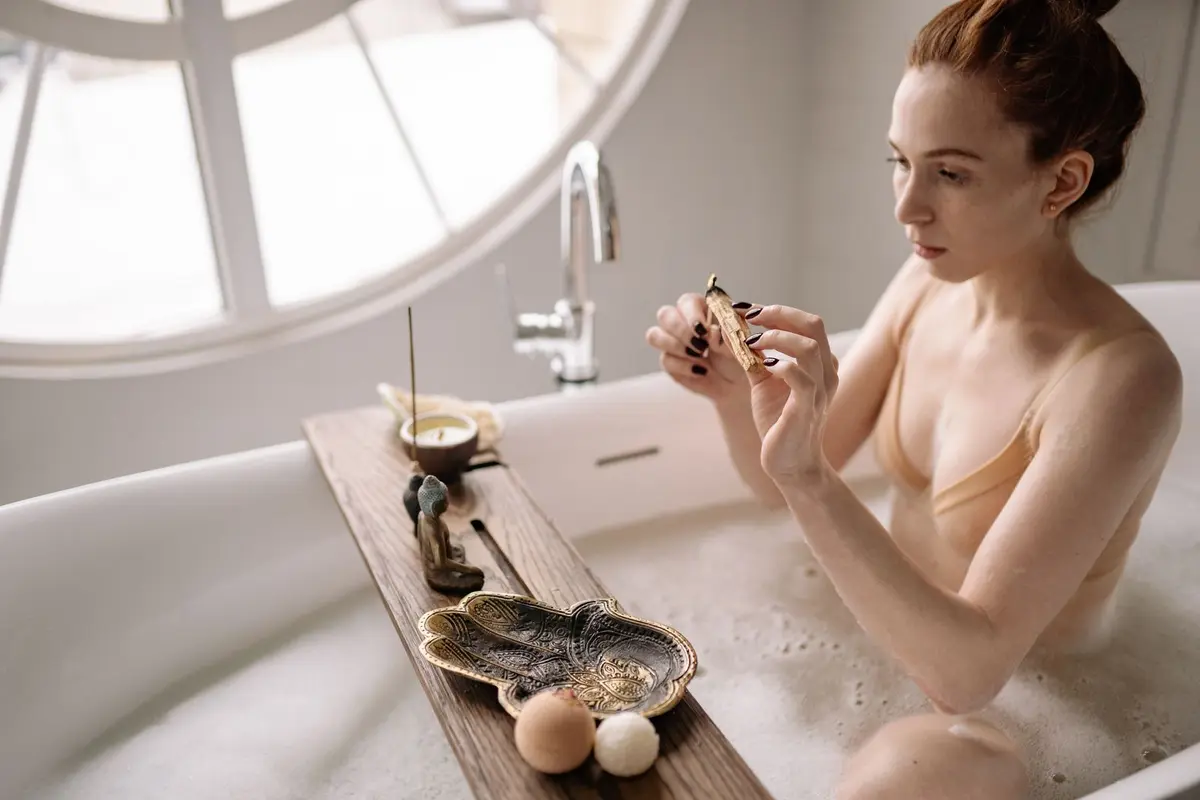
Applying oil to the bath is an exercise in heat retention and moisture sealing. It requires minimal preparation but demands specific attention to surface temperature and clean-up. When executed correctly, the oil creates a thin barrier on the skin that prevents excessive water evaporation after you leave the tub.
Do not approach this as a cleaning ritual. Think of it as a maintenance step for your skin’s outer layer.
- Difficulty
- Beginner
- Total time
- 25 minutes
- Cost
- Low to medium
- Cadence
- Once weekly
Ingredients
- Jojoba oil: Closely mimics natural skin sebum.
Tools List
- Body oil (jojoba or sweet almond base)
Step by step
Prepare the water
Fill the tub with water at a moderate, lukewarm temperature. Extreme heat will strip natural oils from the skin, defeating the purpose of the additive. Wait until the tub is fully filled before introducing any product to ensure even distribution.
Tip: Use a thermometer if you are unsure of the temperature.Dispense the oil
Add one tablespoon of body oil to the center of the tub. Do not pour directly into the faucet stream, as this may cause the oil to dissipate unevenly. Use your hand to agitate the water surface gently to disperse the oil into small, uniform droplets.
Tip: Start with less; you can always add a few drops more.The immersion
Submerge yourself for no longer than fifteen minutes. Prolonged exposure to even tempered water will eventually soften the skin to the point of compromising its barrier. Keep your face above the water line to avoid irritation from any potential additives or essential oils.
Tip: Keep the bathroom door closed to maintain humidity.The exit and pat
Exit the bath with caution, as the oil will make surfaces slick. Use a soft cotton towel to pat the skin dry rather than rubbing. Patting leaves a thin, protective layer of the oil on the skin surface, which is the objective of the process.
Tip: Lay a non-slip mat outside the tub beforehand.Cleanup
Rinse the tub immediately after draining while the residue is still warm. Use a mild dish soap or dedicated tub cleaner to remove the film from the porcelain. Leaving oil residue to sit will cause buildup and create a safety hazard for subsequent use.
Tip: Keep your cleaner within arm's reach of the tub.
Trouble
The water feels cloudy. Is this normal?
Yes, this is typical when oil emulsifies with water. If the cloudiness persists after you have drained the tub, wipe the sides down with a damp cloth immediately.
Can I add essential oils to the mix?
Avoid this. Essential oils can act as irritants when diluted in a large volume of water and brought into contact with sensitive areas.
My skin feels itchy after the bath.
You may be sensitive to one of the ingredients in the oil. Discontinue use and rinse your skin thoroughly with plain, lukewarm water to remove any remaining residue.
Is a bath oil better than a post-bath lotion?
They serve different purposes. A bath oil is a preventative measure for moisture retention, while a lotion is an active delivery system for hydration.
A thin barrier of oil is the difference between hydrated skin and moisture loss.
Consistency is superior to frequency when it comes to topical oils.
See also: body oil, which oils absorb fastest and body moisturising.