A Precise Guide to Body Oil Application
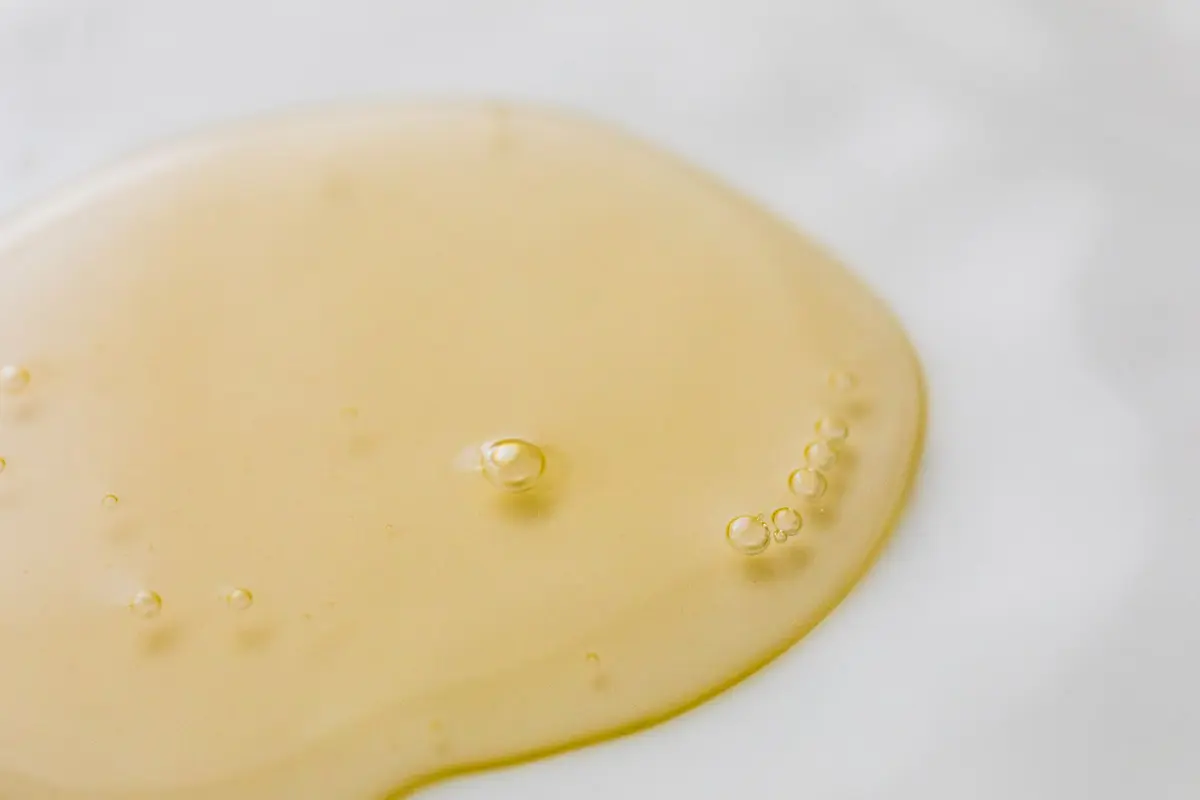
Skin smoothness is the result of a balanced lipid barrier. When the outermost layer of the epidermis is properly sealed, moisture remains trapped, leading to a supple tactile quality.
Body oils serve as occlusives, meaning they form a physical barrier to prevent transepidermal water loss. By applying these lipids while the skin is damp, you mimic the natural sebum process to enhance long-term hydration.
This guide covers the correct timing and movement required to integrate body oil into a daily routine without excessive greasiness.
- Difficulty
- Beginner
- Total time
- 10 minutes
- Cost
- Low to moderate
- Cadence
- Daily post-shower
Ingredients
- Jojoba Oil: Closely matches human sebum for easy absorption.
- Sweet Almond Oil: Provides a smooth, non-tacky finish.
Tools List
- High-quality cold-pressed plant oil
- Cotton towel for patting
Step by step
Prepare the skin
Begin immediately after exiting a shower or bath while your skin is still damp. Do not dry the skin completely with a towel, as you want residual water droplets on the surface. Damp skin provides the necessary medium for the oil to emulsify and absorb efficiently.
Tip: Pat the skin gently rather than rubbing it dry.Dispense the oil
Pour a small amount of body oil into your palms, roughly the size of a coin. Warming the oil between your hands for a few seconds reduces viscosity and allows for a more even distribution. Begin with less product, as you can always add more if specific areas require extra attention.
Tip: Use a pump dispenser to prevent spills.Apply with purpose
Massage the oil into the skin using long, firm strokes moving toward the heart. This motion encourages circulation and ensures the product is thoroughly worked into the surface. Focus on high-friction areas such as elbows, knees, and ankles, where the skin is often thicker.
Tip: Press rather than drag if the oil feels tacky.Wait for absorption
Allow the oil to sit on the skin for two minutes before dressing. This rest period is essential to prevent the fabric of your clothing from absorbing the product. If after two minutes the skin remains excessively slick, you have applied too much; use a dry towel to blot excess.
Tip: Use a robe to wait out the absorption phase.Verify the finish
Perform a final tactile check. The skin should feel soft and retain a slight sheen, but it should not be slippery to the touch. If the skin feels dry or tight in certain areas, apply a secondary layer only to those specific points.
Tip: Check joints for neglected patches.
Trouble
Why does my skin feel greasy after ten minutes?
You are likely applying too much product. Start with half the amount and build up if necessary. Ensure the skin was sufficiently damp during application, as water helps the oil integrate into the skin's surface.
Should I apply lotion before or after the oil?
Apply the water-based lotion first, then apply the oil as an occlusive layer to seal it in. Applying the oil second ensures the moisture-retaining benefits are maximized.
Does body oil provide enough hydration on its own?
Body oil is an occlusive, not a humectant. It seals in moisture but does not introduce it. It is most effective when applied to damp skin or over a light water-based moisturizer.
Can I use body oil on my face?
This protocol is strictly for the body. The skin on the face has a different sebum production rate and pore density. Avoid applying body-specific products to the face to prevent unwanted reactions.
The objective is to seal in existing moisture, not to replace the hydration lost during the day.
Consistency over quantity is the only metric that matters here.
For that smooth, slightly satin finish, start by picking an oil from our side-by-side comparison of fast-absorbing and slow-absorbing body oils, then browse every guide in the body oil section for bath, massage and layering ideas, and finally read up on timing in the post-shower window, our collection of guides on what to put on your skin in the minutes after you step out of the shower. If you would rather go step by step, read them in that order: the oil comparison first, the body oil section second and the post-shower window guides last.