Deciphering Your SPF Ingredient List
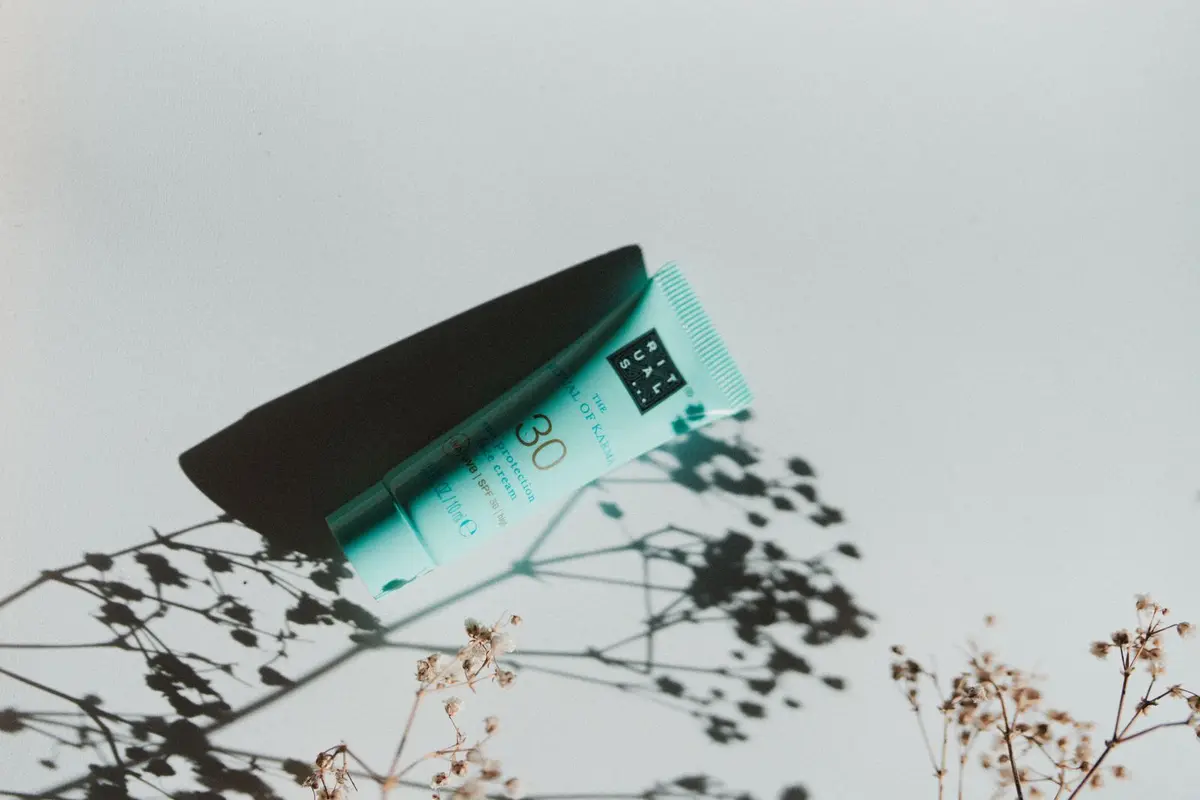
The ingredient list on a bottle of sunscreen is often obscured by marketing terminology. While the back of the packaging is dense, the active ingredient section provides the only information required to determine the nature of the product. Identifying whether a formula is mineral or chemical is a matter of scanning for specific compound names.
Mineral options rely on physical blockers to deflect rays, while chemical filters rely on organic compounds that dissipate radiation. Knowing the difference allows you to avoid unnecessary confusion during the selection process.
- Difficulty
- Beginner
- Total time
- 15 minutes
- Cost
- Minimal
- Cadence
- Ongoing review
Ingredients
- Zinc Oxide: Primary physical mineral filter
- Avobenzone: Common chemical UV absorber
Tools List
- Ingredient identification guide
Step by step
Locate the active section
Turn the product over and locate the box labeled active ingredients. This list is separate from the inactive ingredients, which include preservatives, emulsifiers, and fragrances. Do not confuse the full ingredient deck with the active listing, as the former will lead to errors in identification.
Tip: Ignore marketing claims on the front of the bottle.Identify mineral filters
Search for Zinc Oxide or Titanium Dioxide. If these are the only active ingredients listed, the product is classified as a physical or mineral sunscreen. These minerals remain on the surface of the skin to reflect ultraviolet light.
Tip: Note that these two ingredients are often used in combination.Identify chemical filters
Look for a list of complex chemical names such as Avobenzone, Homosalate, Octisalate, or Octocrylene. These compounds absorb radiation and convert it into heat. A product containing any of these is classified as a chemical sunscreen.
Tip: Some products blend both categories for specific textures.Verify the percentage
Observe the percentages provided next to the active ingredients. A higher percentage of a physical blocker usually correlates with higher opacity, while chemical filters have standardized usage limits. Comparing these percentages across different brands helps you understand the density of the protection.
Tip: Percentages are always expressed as a weight percentage of the total formulation.Cross-reference inactive ingredients
If you are sensitive to specific carriers or emollients, scan the inactive list. This section contains the base formula which dictates how the sunscreen spreads and how it sits on the surface. Understanding the base helps manage expectations regarding the finish of the product.
Tip: Focus on the first five ingredients of the inactive list for base composition.
Trouble
Why do some labels list both mineral and chemical ingredients?
Manufacturers occasionally combine filters to create a specific texture or to balance the aesthetic properties of the finish. This is a common practice to mitigate the white cast of minerals while maintaining the stability of chemical filters.
Does the order of ingredients matter?
Active ingredients are required to be listed by concentration in many jurisdictions, but they are often presented in alphabetical order depending on the local regulations. It is best to focus on the specific names rather than their sequence.
How can I tell if a label is misleading?
A label is misleading if it uses vague marketing terms like plant-based or natural without listing the specific chemical or mineral filters. If the active ingredients are not explicitly listed in a standard format, the product may not be regulated as intended.
Are chemical filters inherently more irritating?
Sensitivity is individual and not dependent on the category of the filter. If you experience a reaction, review the inactive ingredient list for common additives like fragrance or specific preservatives rather than blaming the filter alone.
The ingredient list is the only objective source of truth on any beauty packaging.
Clarity is the ultimate luxury in a market defined by excessive description.
More on body sunscreen: mineral vs chemical filters, spray, stick or lotion and reapplying on vacation.