Choosing Between Lotion and Cream
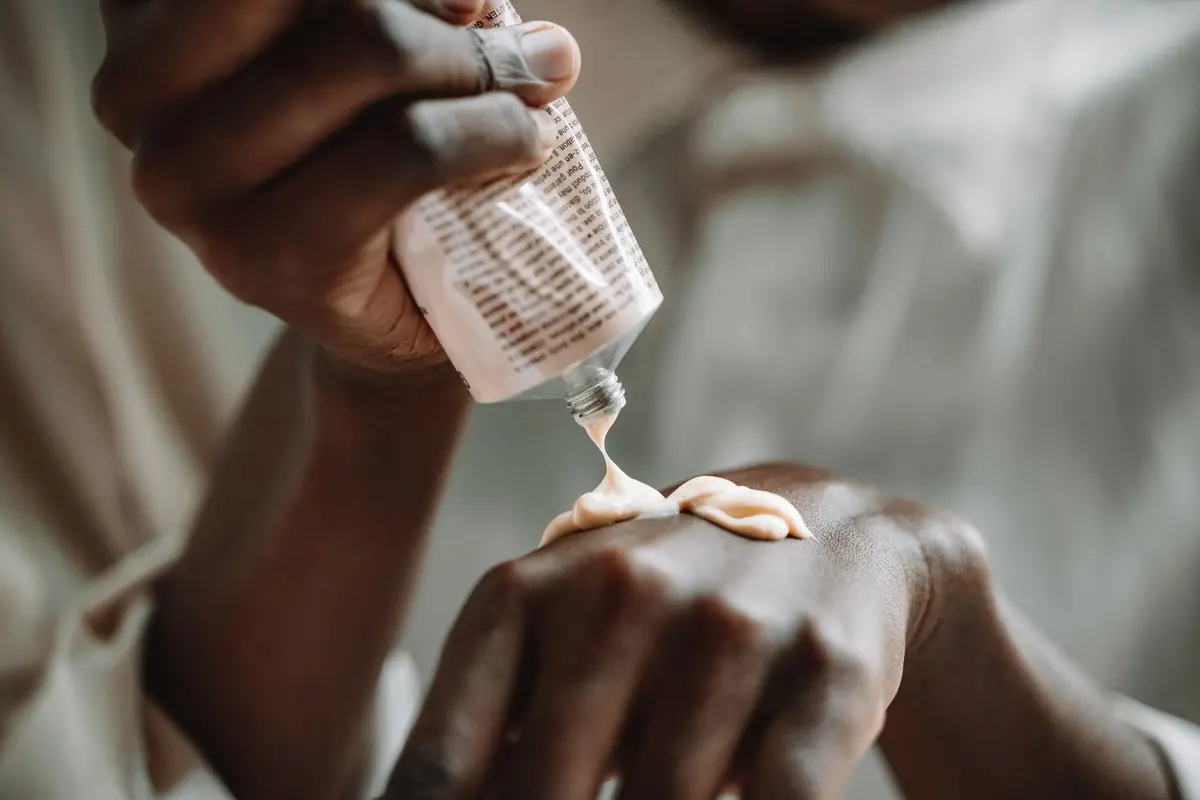
Moisturizing is a mechanical necessity for maintaining the integrity of the stratum corneum. Many users treat lotions and creams as interchangeable entities, yet their compositions differ significantly in terms of water and lipid content. Understanding this balance is the primary factor in determining how well a product performs on your specific skin type.
The fundamental difference lies in the emulsion process. Lotions possess a higher water content, leading to a thinner consistency that evaporates more quickly. Creams, conversely, contain higher concentrations of oils and waxes, creating a barrier that remains on the surface for an extended period.
- Difficulty
- Beginner
- Total time
- 5 minutes
- Cost
- Variable
- Cadence
- Daily usage
Ingredients
- Humectants: Attracts water to the skin; essential in both lotions and creams.
- Occlusives: Creates a seal to prevent water loss; higher in cream formulations.
Tools List
- Clean hands
Step by step
Assess your skin requirement
Observe your skin after a shower. If it feels tight or flakes easily, you require a product with higher lipid content, such as a cream. If you experience normal skin texture without discomfort, a lighter lotion is sufficient for maintenance.
Tip: Apply products immediately after towel-drying to trap residual water.Dispense the correct volume
For lotion, a coin-sized amount covers a forearm. For cream, you will need a smaller quantity due to the higher density. Warm the product between your palms for five seconds before application to ensure an even consistency.
Tip: Warming the product increases spreadability.Apply using consistent pressure
Massage the product using upward strokes. Focus on areas where the skin is naturally thinner or more prone to friction, such as elbows and knees. Ensure the product is fully absorbed before dressing to avoid transfer to textiles.
Tip: Move in the direction of hair growth to prevent irritation.Evaluate absorption
Wait sixty seconds. If the skin feels tacky, you have likely applied too much product. If the skin feels dry or tight immediately after application, consider switching to a thicker formulation for your next routine.
Tip: Dab excess off with a dry towel if needed.
Trouble
Why does my lotion leave white streaks?
White streaks are often the result of the emulsifiers in the formula interacting with the water on your skin. Allow your skin to dry slightly more before application, or massage the product in longer.
Is cream better for daily use?
Cream is better for dry environments or winter months when ambient moisture is low. For humid climates or summer, lotion is usually sufficient to maintain baseline hydration levels.
Can I mix lotion and cream?
It is technically possible, but unnecessary. It is more efficient to choose a product that aligns with your current hydration requirements rather than altering the chemical stability of two separate formulations.
What happens if I use the wrong texture?
Using a lotion when your skin needs a cream will likely result in a lack of longevity, forcing you to reapply. Using a heavy cream when a lotion is sufficient may lead to a heavy, occlusive feeling that can be uncomfortable in warm weather.
A lotion hydrates through water delivery, while a cream shields through lipid occlusion.
Hydration is not about the price point, but about the ratio of water to oil.