Using PHAs for Body Exfoliation
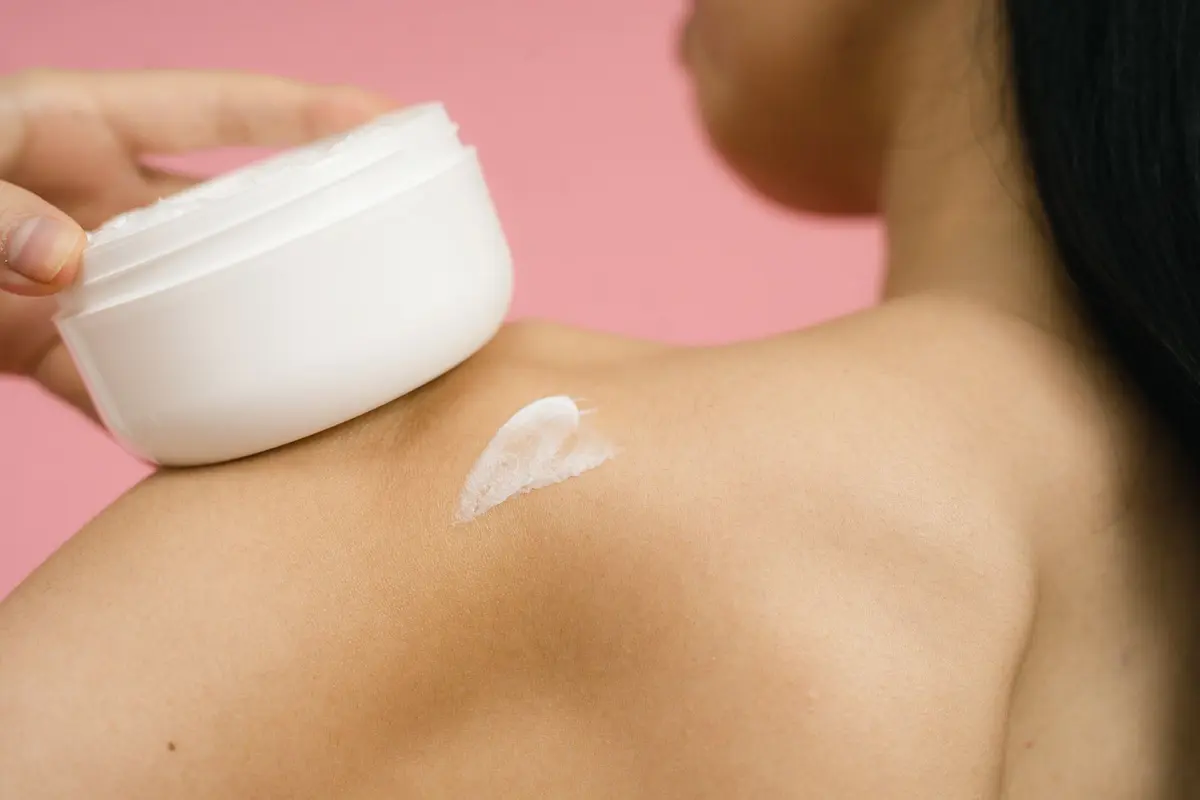
Most chemical exfoliation focuses on speed and aggressive turnover, often resulting in irritation when applied to the thicker, yet sensitive skin of the limbs. Polyhydroxy acids, or PHAs, operate on a larger molecular structure that slows the rate of penetration into the surface layer. This mechanical-like benefit allows for a steady refinement of skin texture.
Using these acids on the body requires a shift in expectation from immediate results to cumulative maintenance. When utilized correctly, they address uneven surface texture while maintaining the skin's moisture barrier.
- Difficulty
- Beginner
- Total time
- 10 minutes
- Cost
- Moderate
- Cadence
- Apply once daily at night
Ingredients
- Gluconolactone: The primary PHA known for its large molecular size and gentle exfoliation.
- Lactobionic acid: Derived from milk sugar, this offers extra hydration alongside exfoliation.
Tools List
- PHA-based body solution
- Soft cotton application pads
- Fragrance-free body moisturizer
Step by step
Cleanse and dry thoroughly
Begin with skin that is completely free of moisture. Excess water on the skin can interfere with the pH levels of the product you are about to apply. Pat the target areas with a clean towel until the skin feels dry to the touch.
Tip: Ensure your shower temperature is lukewarm to avoid stripping natural oils.Apply to specific zones
Pour a small amount of the PHA solution into your palm or directly onto a cotton pad. Start at the extremities and work toward the torso using long, consistent strokes. Ensure the product covers the desired area in a thin, even layer without pooling in creases.
Tip: Avoid applying over thin or broken skin.Allow for complete absorption
Wait for the liquid to evaporate and sink into the skin entirely. This usually takes about three minutes depending on your environment. Dressing too quickly will transfer the product to clothing and reduce its efficacy.
Tip: Move around to air dry rather than using a fan.Seal with a basic humectant
Once the skin feels dry, apply a simple, fragrance-free moisturizer to lock in hydration. Because PHAs act as humectants as well as exfoliants, layering a basic cream prevents transepidermal water loss. Choose a formula without active ingredients to avoid interference.
Tip: Use a fragrance-free base to minimize potential sensitivity.Morning protection
Because chemical exfoliation can expose fresh skin cells, use a mineral-based sunscreen on any exposed body parts during the day. Consistent use of SPF is the final component of a successful exfoliation cycle. Neglecting this step often offsets the gains made during the night.
Tip: Keep a long-sleeved layer handy if you forget sunscreen.
Trouble
Can I use this after shaving?
Avoid applying acids immediately after shaving, as this creates a risk of stinging or irritation. Wait at least 24 hours to allow the skin to stabilize.
Is the tingling normal?
A very faint sensation may occur, but it should not be persistent or painful. If you feel heat or burning, rinse the area with cool water immediately.
Why am I not seeing results after three days?
PHA is a slow-acting ingredient by design. It requires a full skin cycle, typically 28 days, to show noticeable changes in texture.
Can I mix this with my body oil?
It is best to apply the PHA first, let it absorb, and then use oil as an occlusive layer. Mixing them directly can dilute the acid and reduce its efficacy.
Exfoliation is not a race; the goal is to maintain the surface, not to strip it away.
Focus on the consistency rather than the concentration of the acid.
More gentle exfoliation: AHA and BHA for body, physical vs chemical and body masks.