Choosing Enzyme Exfoliation Over Acids
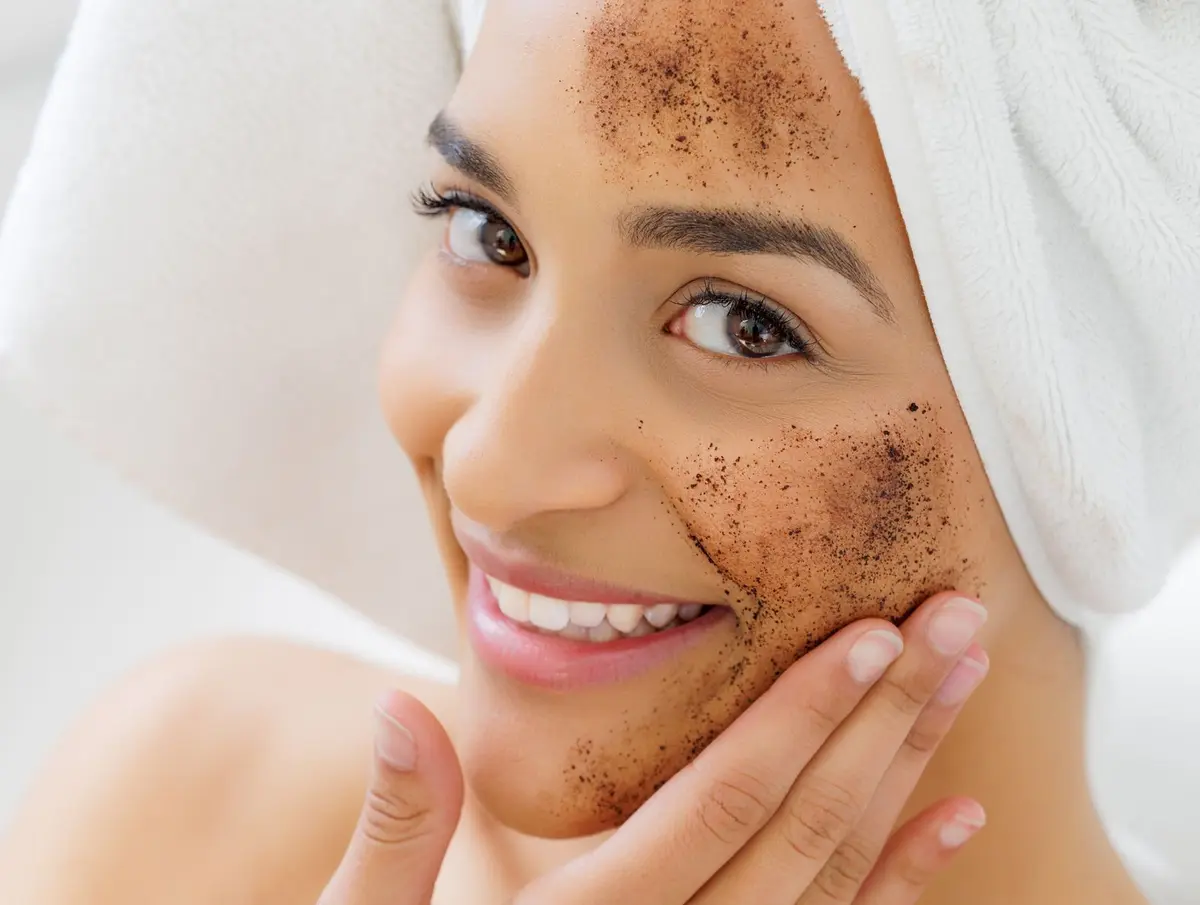
Exfoliation is the process of removing dead cells from the outermost layer of the skin. While acid-based formulas rely on lowering the skin's pH to dissolve bonds between cells, enzyme exfoliation operates through a biological process. Enzymes, typically derived from fruits like pineapple or papaya, act as catalysts to break down keratin proteins specifically.
Deciding between these methods depends on your skin's immediate requirements rather than personal preference. Enzyme exfoliation is a targeted, slow-acting choice that is preferable when skin feels fragile or requires consistent but mild maintenance. Acids, conversely, are aggressive and best reserved for thick or uneven textures that do not react poorly to lower pH levels.
- Difficulty
- Beginner
- Total time
- 10 minutes
- Cost
- Low to medium
- Cadence
- Twice weekly
Ingredients
- Bromelain: Derived from pineapple; effective for dissolving surface proteins.
- Papain: Derived from papaya; provides consistent, mild exfoliation.
Tools List
- Enzyme powder exfoliant
- Timer
- Soft washcloth
Step by step
Prepare the skin
Begin with damp skin after a brief shower. Avoid hot water, which can increase surface sensitivity. Pat the area until it is just slightly moist to ensure the powder-based enzymes activate properly.
Tip: Do not skip the moisture; enzymes need water to catalyze.Apply and activate
Mix the enzyme powder with a few drops of water in your palm to create a smooth, thin paste. Apply the mixture to the body areas using gentle, circular motions. Do not scrub or apply heavy pressure as the enzymes require only contact to function.
Tip: Use a small amount to prevent excessive dripping.Allow for processing
Leave the product on the skin for the duration suggested on your specific product label. During this time, the enzymes are actively breaking down surface proteins. Stay in a stable environment away from steam or excessive heat to prevent the formula from drying too quickly.
Tip: Set a timer to avoid leaving the product on longer than intended.Rinse thoroughly
Remove the product using lukewarm water. Ensure every trace of the paste is cleared from the skin. Pat the area dry with a soft cloth rather than rubbing, which could exacerbate friction on newly exposed skin.
Tip: Ensure the rinse is complete to prevent residue buildup.
Trouble
Why is my skin red after using enzymes?
Redness suggests the product was left on too long or the friction during application was too high. Reduce the processing time by one minute in your next session.
Can I use enzymes and acids together?
Combining these methods is unnecessary and often leads to over-exfoliation. Select one method per week and adhere to a strict rotation schedule.
Does the product need to be fresh?
Powdered enzymes are stable, but they should be kept in a dry place. If moisture enters the container, the enzymes lose their potency over time.
How often should I exfoliate with enzymes?
Twice per week is generally sufficient for most skin types. If you notice persistent dryness, scale back to once every ten days.
Enzymes work where acids might simply over-process, offering a quieter approach to skin refinement.
Consistency remains superior to intensity when managing body skin texture.