Managing Skin Friction Through Moisture Levels
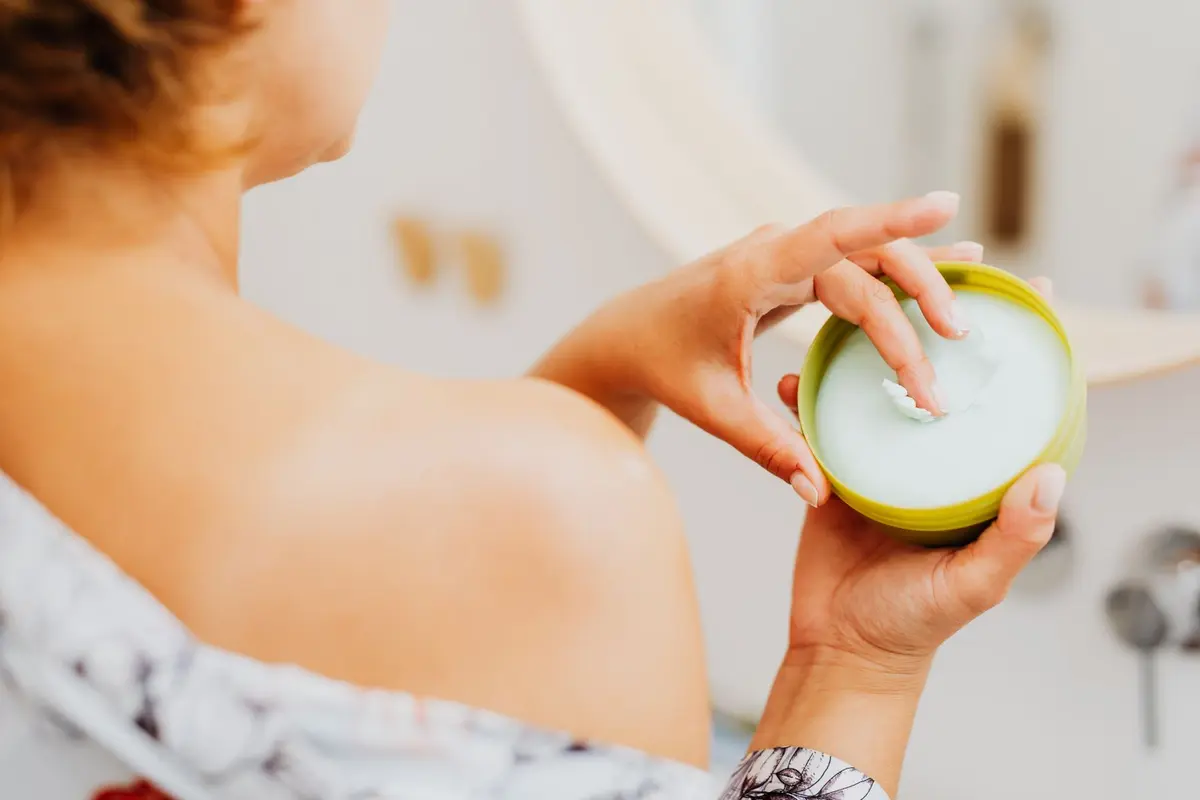
Friction is the physical interaction between a tool and the skin surface. When skin is dehydrated, friction is high and the surface resistance is brittle. Conversely, when skin is sufficiently hydrated, the surface becomes more malleable, which shifts how pressure is distributed during manual exfoliation.
Understanding this relationship is necessary for controlling the intensity of any physical exfoliation routine. Mastering the moisture-to-friction ratio ensures the surface remains intact while clearing debris.
- Difficulty
- Beginner
- Total time
- 15 minutes
- Cost
- Minimal
- Cadence
- Weekly
Ingredients
- Humectants: Necessary to rehydrate the skin after surface removal.
Tools List
- Textured mitt
- Slip agent (oil or cream)
- Lukewarm water
Step by step
Establish the base moisture
Apply lukewarm water to the area intended for exfoliation. Do not use hot water, as this can increase surface sensitivity. Allow the moisture to penetrate the outer layer for at least three minutes before starting the mechanical process.
Tip: Use a damp towel as a compress if you are working on a small limb area.Apply a slip agent
To reduce the coefficient of friction, apply a thin layer of oil or a cream-based cleanser. This creates a buffer between the exfoliation tool and the skin. Without a slip agent, the tool will catch on the skin, potentially causing uneven pressure.
Tip: Apply the agent in circular motions to ensure even distribution.Engage the tool
Use a clean, textured mitt or cloth to work over the area in long, unidirectional strokes. Keep the pressure consistent and light. If the tool drags or skips, add more slip agent immediately to restore the equilibrium.
Tip: Keep your hand flat to distribute force across the entire surface of the tool.Rinse and assess
Remove the residue with lukewarm water. Observe the skin surface for any signs of uneven pressure or drag marks. The skin should feel smooth but not taut.
Tip: Check for areas where the skin feels tight, as this indicates excess friction.Restore hydration
Immediately apply a humectant-based lotion to seal in the moisture. This step is critical to resetting the skin barrier. The skin's moisture level dictates how the next cycle of surface turnover begins.
Tip: Apply while the skin is still slightly damp.
Trouble
Why does the cloth catch on my skin?
The skin is likely too dry or the tool lacks a proper slip agent. Increase the amount of oil or cream on the surface to ensure the cloth glides without resistance.
How do I know if I am using too much pressure?
If you notice uneven texture or the skin becomes warm to the touch, you are applying excessive force. The tool should do the work, not your hand strength.
Does water temperature affect friction?
Yes. Hot water can strip natural oils, making the surface more prone to friction damage. Always stick to lukewarm water to maintain surface integrity.
What if my skin is always dry after this?
Increase the moisture content of the products you use immediately following the process. Ensure you are applying a protective layer to lock in hydration while the skin is still damp.
A slip agent is the difference between effective surface clearing and unnecessary skin drag.
Consistency in your method is more valuable than the strength of your tool.