Maintaining Your Self-Tan Through Proper Shower Habits
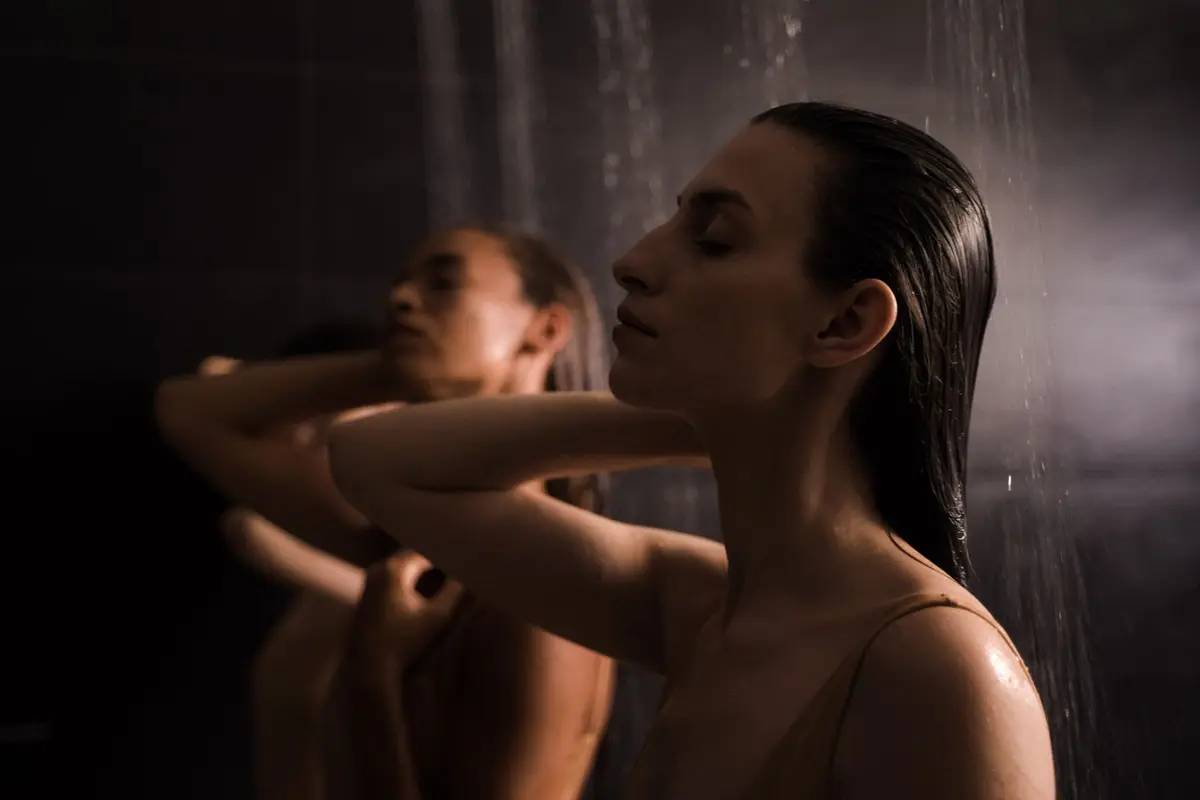
Hot water accelerates the natural shedding process of the epidermis, which inevitably strips away self-tanning pigment faster than lukewarm or cool water. When you subject your skin to high temperatures, you encourage the stratum corneum to soften and expand, leading to uneven patchiness and fading.
This guide addresses the technical adjustments required to keep your tan uniform for as long as possible. By modifying how you cleanse and dry, you minimize the mechanical and thermal degradation of your color.
- Difficulty
- Beginner
- Total time
- 15 minutes
- Cost
- minimal
- Cadence
- daily
Ingredients
- Glycerin: Maintains hydration without stripping the skin's surface.
Tools List
- Sulfate-free body wash
- Microfiber towel
- Non-oil moisturizer
Step by step
Lower the water temperature
Adjust your shower dial to a lukewarm setting. Steam is the primary enemy of tan longevity because it increases skin hydration to a point where cell turnover accelerates. Avoid prolonged periods under high-pressure spray which acts as a manual exfoliant.
Tip: If the mirror fogs up, the water is too hot.Use a sulfate-free cleanser
Select a body wash that lacks harsh sulfates. Sulfates are surfactants designed to lift oils and debris, which effectively lifts your tan pigment as well. Apply the cleanser with your hands rather than a loofah or washcloth to avoid abrasive friction.
Tip: Look for labels stating soap-free or pH-balanced.Limit total water exposure
Shorten your shower duration to under five minutes. The longer your skin is submerged, the more moisture it absorbs, causing the skin cells containing the tan to detach more readily. Aim for a quick rinse rather than a restorative soak.
Tip: Set a timer to prevent accidental soaking.Pat, do not rub, to dry
Use a soft microfiber towel to dry your skin. Dragging a rough, damp towel across the body creates friction that removes the top layer of skin cells where the pigment resides. Patting gently ensures the tan remains undisturbed.
Tip: Use a dedicated towel that is soft to the touch.Apply a barrier moisturizer
While skin is still slightly damp, apply a non-oil-based moisturizer. Oil can break down the color molecules in self-tanning formulas, leading to streaks as the tan begins to fade. Lock in hydration to keep the surface cells plump and intact.
Tip: Apply in long, even strokes.
Trouble
Does oil-based body wash affect the tan?
Yes, oil-based washes break down the tanning agent significantly faster. Use water-based or gel cleansers to maintain the pigment bond.
Can I shave my legs while maintaining the tan?
Shaving is essentially physical exfoliation. Limit shaving frequency and use a sharp, new blade to reduce the number of passes required.
Should I moisturize before or after the shower?
Moisturize after the shower. Applying it before may create a barrier that interferes with the water's ability to clean the skin, but always apply immediately after drying.
Why does my tan fade unevenly in the shower?
Areas with more friction, like elbows and knees, lose pigment faster when exposed to water and heat. Pat these areas dry first to prevent them from staying wet longer than the rest of the body.
Steam and high-pressure water are the most efficient ways to remove an artificial tan prematurely.
Consistency in the shower is the single most underrated factor in product performance.
See also extending a tan, the after-shower window and streak and stain fixes.