Choosing Between Sugar and Salt Scrubs
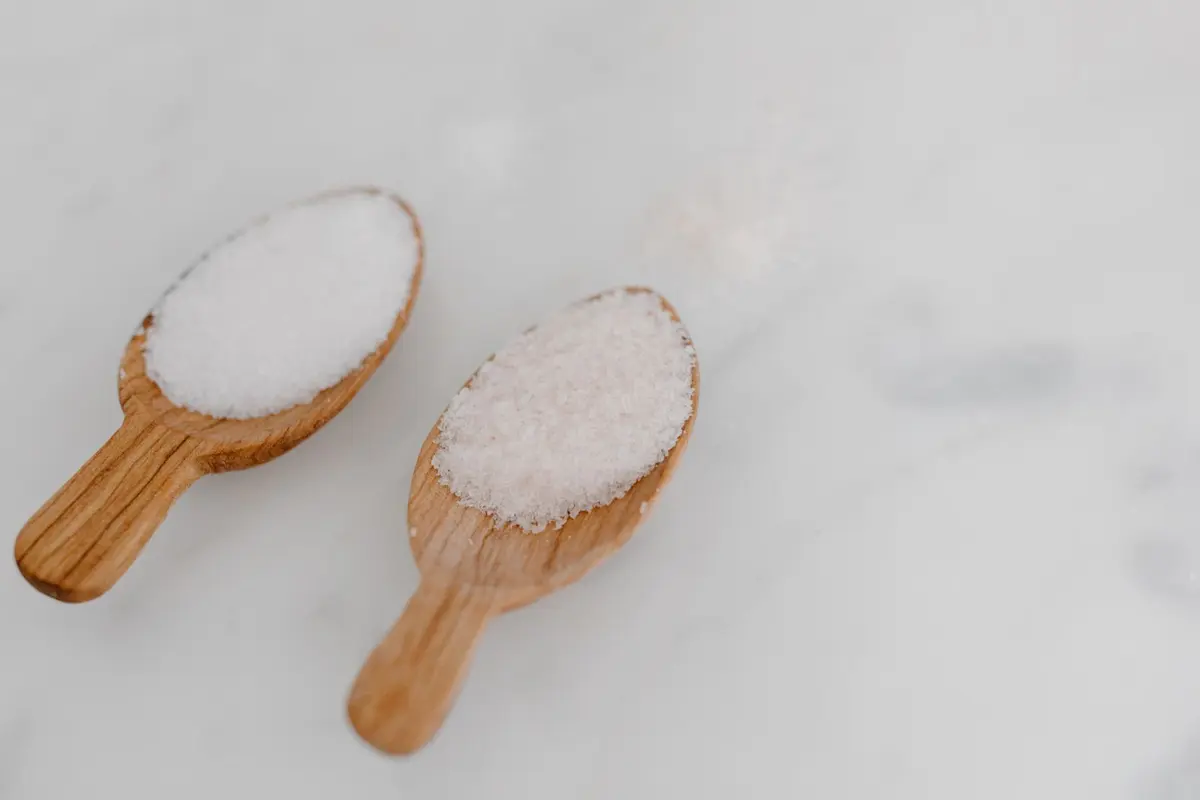
Mechanical exfoliation serves one primary purpose: the removal of dead surface cells to refine skin texture. Selecting the correct abrasive medium depends on the desired intensity of the friction and the inherent solubility of the mineral or compound. While both sugar and salt facilitate the physical lifting of debris, their differing structures dictate how they interact with the moisture barrier.
Understanding the physical profile of these substances prevents unnecessary mechanical irritation. This guide outlines how to determine the correct medium for your routine.
- Difficulty
- Beginner
- Total time
- 15 minutes
- Cost
- Low
- Cadence
- Weekly
Ingredients
- Sucrose: A humectant that provides gentle mechanical friction.
- Sodium Chloride: A mineral-heavy abrasive for more robust exfoliation.
Tools List
- Lukewarm water
- Fragrance-free moisturizer
- Fine-grain sugar or sea salt
Step by step
Preparation of the skin
Begin by dampening the area with lukewarm water. Dry skin lacks the necessary slip required for friction, increasing the risk of abrasions. Ensure the skin is clean of surface dirt before introducing the exfoliant.
Tip: Use water temperature that does not strip natural oils.Dispensing and applying the medium
Take a small amount of the chosen scrub into the palms. Begin with a quantity the size of a coin. Apply to the skin using circular motions, maintaining light to moderate pressure to allow the particles to do the work rather than your hands.
Tip: Apply to limbs first, then torso.Monitoring the solubility
Observe how the scrub breaks down as you work. Sugar dissolves faster in water, becoming smoother as you scrub, which provides a gentle finish. Salt maintains its sharp, crystalline structure for longer, requiring a softer touch to avoid over-exfoliation.
Tip: Add a few drops of water if the scrub feels too abrasive.Cleansing and moisture sealing
Rinse thoroughly until no grit remains on the skin. Pat the skin dry with a soft towel, avoiding harsh rubbing. Immediately apply a non-fragranced moisturizer to help support the skin surface after the removal of dead cells.
Tip: Do not skip the moisturizer after manual exfoliation.
Trouble
Which is less abrasive?
Sugar is less abrasive than salt. Salt crystals are naturally sharper and do not dissolve as quickly, which means they maintain their mechanical edge for the duration of the process.
Can I use salt on my face?
No. The skin on the face is thinner and more delicate than body skin. Manual exfoliation with salt is too vigorous for the facial area and carries a risk of micro-tearing.
How often should I exfoliate?
Stick to once per week. Over-exfoliating removes necessary surface layers and compromises the integrity of the barrier. More is not better.
My skin feels tight after scrubbing, what now?
This indicates you have scrubbed too hard or too long. Stop immediately and apply a layer of fragrance-free, occlusive moisturizer to soothe the area and wait for recovery.
Sugar is for texture refinement; salt is for deeper mechanical clearance.
Consistency and pressure are the variables you control.