Restoring Your Backyard Pavers: A Step-by-Step Guide
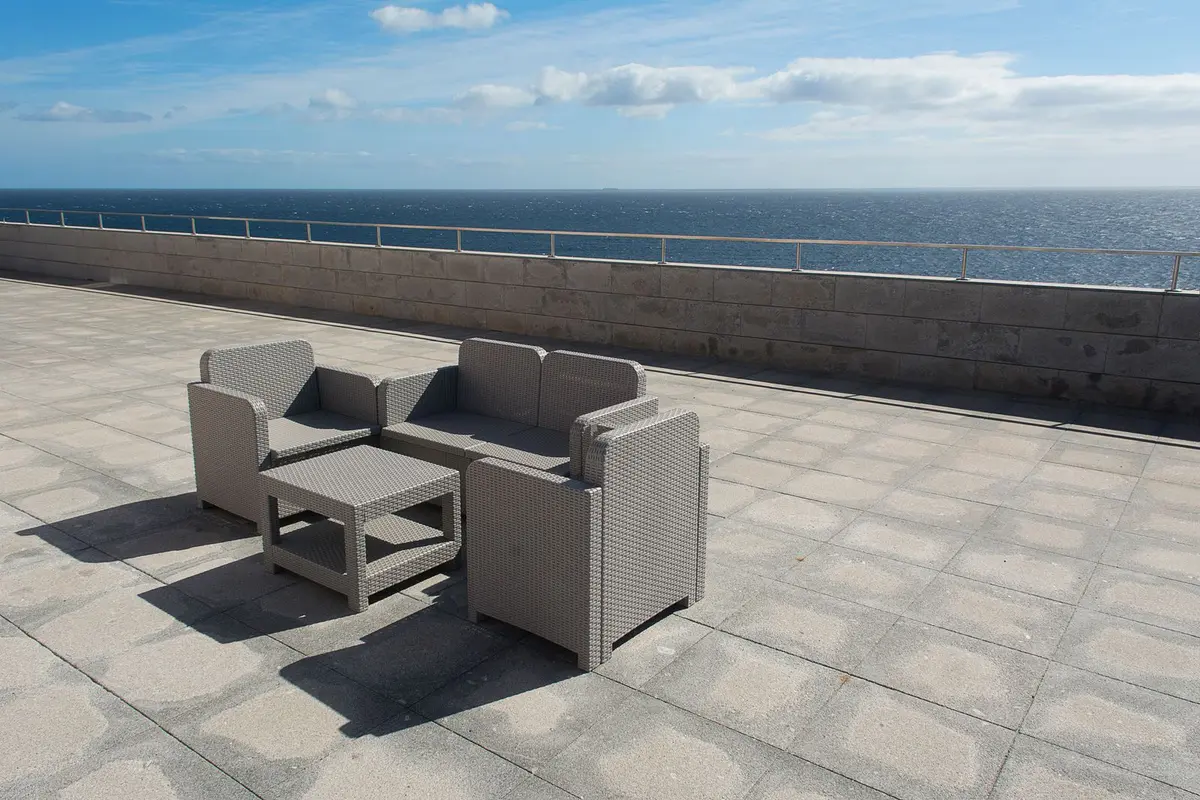
Remove weeds and debris, power wash the surface, and brush in new polymeric sand to lock the pavers together.
- Difficulty
- Intermediate
- Time
- A weekend
- Cost
- $100 — $250
- Tools
- Wire brush, long-handled stiff broom, pressure washer, leaf blower, rubber mallet, plate compactor (rental)
- Permit required
- No
- Contractor recommended
- No
- You will need
- Polymeric sand (3–5 bags, 50 lb each), Paver-specific cleaner (1 gallon), Stiff wire brush, Long-handled stiff-bristle brush, Pressure washer or garden hose, Wide push broom, Plate compactor (rental) or rubber mallet, Leaf blower, Garden hose with mist nozzle
Materials
- 3-5 bags (50lb each) Polymeric Sand (Choose a color that matches your existing pavers.) — $20 - $30 per bag
- 1 gallon Paver Cleaner (Biodegradable options are safer for nearby lawn or plants.) — $20 - $40
- 1 spray bottle Weed Preventer/Killer (Apply to joints prior to sanding if weed issues are chronic.) — $10 - $15
- 1 roll Landscape Fabric (Optional) (Use only if you are resetting sunken pavers.) — $20
Step by step
Evict Weeds From The Joints
Use a stiff wire brush or a specialized grout scraper to pull weeds and old, compacted debris out of the joints. If the growth is stubborn, use a pressure washer on a low setting or a flat-head screwdriver to pry material out.
Tip: Pull weeds by the root if possible to prevent them from popping back up through the new sand.Blast Away Years Of Grime
Apply a paver-specific cleaner to the surface and scrub with a long-handled stiff-bristle brush to lift oil stains and organic buildup. Rinse thoroughly with a garden hose or pressure washer, moving from the highest point of the patio to the lowest.
Tip: Avoid using high-pressure settings directly on the joints to prevent blasting away the remaining sub-base material.Wait For Total Dryness
Wait for the pavers to dry entirely before proceeding. Moisture trapped in the joints will cause the polymeric sand to activate prematurely, ruining your ability to sweep it into the gaps.
Tip: If the weather is humid, wait an extra 24 hours to ensure there is zero moisture lurking in the deep joints.Fill Every Joint With Sand
Pour the polymeric sand onto the patio and use a wide push broom to sweep it diagonally across the joints. Ensure the sand fills the gaps completely, brushing until the surface appears clear of excess sand.
Tip: Always sweep at a 45-degree angle to the joints to avoid pulling the sand back out as you move the broom.Tamp The Sand Tight
Use a plate compactor to vibrate the sand into the joints, then sweep away the residual dust. If you don't have a compactor, a heavy rubber mallet and a wooden block can be used for smaller areas.
Tip: Keep the surface meticulously clean; any sand left on the paver faces will harden and become difficult to remove later.Mist To Lock Everything
Use a mist setting on your hose to lightly dampen the patio; do not flood it. The water activates the polymer binding agents in the sand, creating a hardened, weed-resistant seal.
Tip: Use a fine mist nozzle rather than a jet; you want to moisten the sand, not wash it away.
Questions people ask
Can I use regular play sand instead of polymeric sand?
No. Play sand doesn't contain the binding agents that lock pavers together and prevent weeds, so it will wash away after the first heavy rain.
How long until I can walk on the patio?
You can typically walk on the pavers after about 24 hours, but keep heavy furniture and pressure off them for at least 48 hours to ensure a full cure.
What if my pavers are cracked?
Cracks are a sign of base failure. If a paver is cracked, it should be removed, the base underneath leveled, and the paver replaced before you begin the cleaning process.
Troubleshooting
Hazy film left on pavers
Use a specialized haze remover or a light vinegar-water solution to scrub the residue before it fully cures.
Sand washing out during activation
Stop watering immediately and allow the area to dry, then re-sweep and re-mist with a finer nozzle.
Sand not hardening
Check the expiration date on the bag; old or moisture-contaminated sand will not activate properly.
For the yard: deck and patio cleaning, the 90-minute backyard and get your backyard ready for a wedding.