Clean Patio Pavers
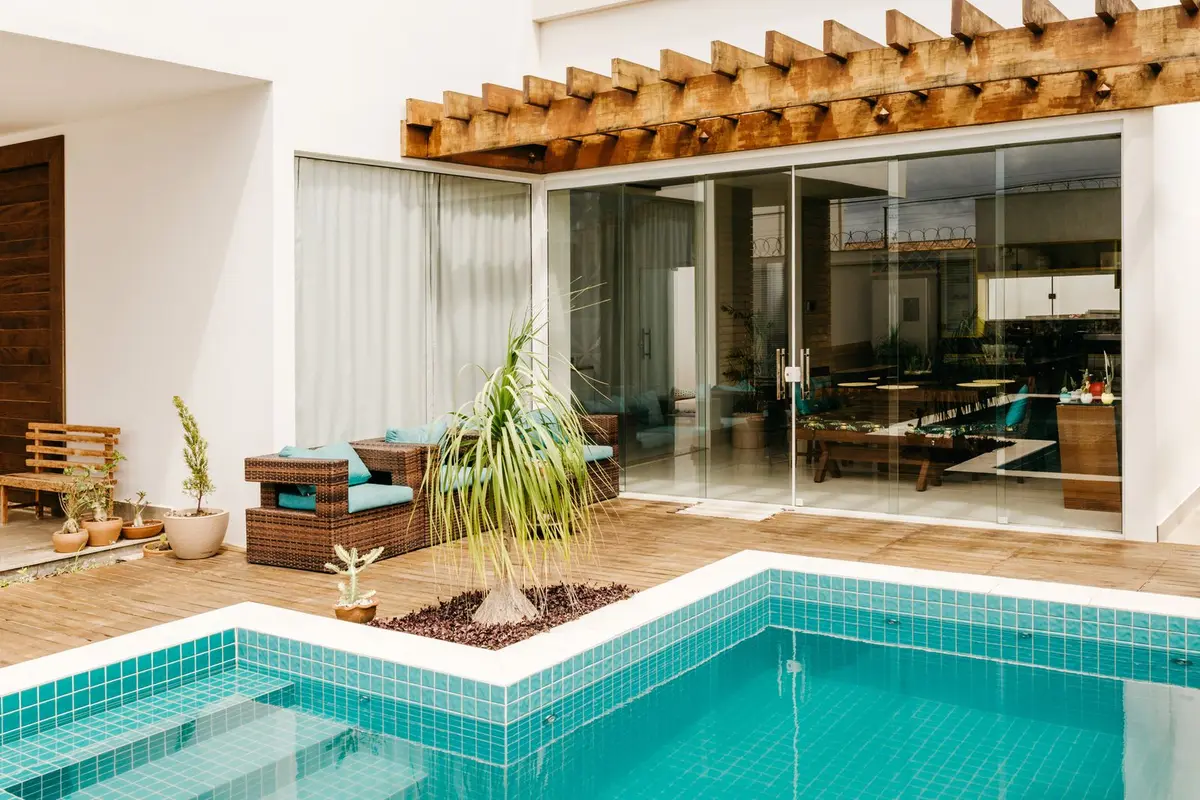
Sweep debris, spray with a degreaser or oxygen bleach solution, scrub with a stiff brush, then rinse thoroughly with a garden hose or pressure washer on low setting.
- Difficulty
- Beginner
- Time
- 3-4 hours active work, plus drying time
- Cost
- $25 - $60
- Tools
- Outdoor broom, Stiff scrub brush or deck brush, Pump sprayer or bucket, Garden hose with spray nozzle, Pressure washer (optional), Gloves
- Permit required
- No
- Contractor recommended
- No
- You will need
- Oxygen bleach powder (2–4 lbs), Degreaser for masonry (1 quart), Stiff outdoor broom, Deck brush or handheld scrub brush, Pump sprayer or large bucket, Garden hose with spray nozzle, Work gloves, Pressure washer (optional)
Materials
- 2-4 lbs depending on patio size Oxygen bleach powder (e.g., OxiClean or generic percarbonate) (Safer for plants and paver color than chlorine bleach; mix according to package strength for outdoor cleaning) — $8 - $15
- 1 quart Degreaser for masonry or concrete (Necessary only if you have oil stains from grills or vehicle drips) — $10 - $18
- 1 bottle (16 oz) Rust remover for stone or masonry (Use if metal furniture or planters have left orange stains; follow product safety instructions carefully) — $12 - $20
- 50 lb bag Polymeric or standard joint sand (Only needed if cleaning washed sand out of joints; polymeric sand resists washout better than standard sand) — $18 - $35
Step by step
Clear the deck completely
Remove all furniture, planters, and grills from the patio. Sweep thoroughly with a stiff outdoor broom, working debris out of the joints and off the surface. Pay attention to corners and edges where dirt accumulates. You want bare, dry pavers before any water touches them.
Tip: Sweep twice — once to get the loose stuff, once to catch what the first pass stirred up but did not move.Target stains before full clean
Identify oil stains, rust marks, or organic discoloration. Apply a degreaser to oil spots and let it sit for ten minutes. For rust, use a commercial rust remover made for masonry. For general grime and mildew, mix oxygen bleach powder with warm water according to package directions and apply liberally to problem areas.
Tip: Oxygen bleach works slower than chlorine but will not kill plants in the joints or lighten the paver color unevenly.Saturate with cleaning power
Mix your oxygen bleach solution in a pump sprayer or large bucket. Wet the pavers completely with a hose first, then apply the cleaning solution generously across the entire patio. Work in sections if the area is large. Let the solution sit for fifteen to twenty minutes so it can break down embedded dirt.
Tip: Wetting the pavers first keeps the cleaning solution on the surface instead of soaking straight down into the stone.Work grime out thoroughly
Use a deck brush on a pole or a handheld scrub brush for smaller areas. Scrub in overlapping passes, working the bristles into the texture of the stone and along the joint lines. You will see dirty water and foam — that is the grime coming up. Re-apply cleaner to sections that dry out before you finish scrubbing.
Tip: A push broom with stiff bristles works faster than a hand brush, but you lose precision around edges and tight spots.Flush away every trace
Use a garden hose with a high-pressure nozzle or a pressure washer set to 1500-2000 PSI. Rinse each section completely, working from one end of the patio to the other so dirty water does not pool on cleaned areas. Make sure all soap residue is gone — it will attract dirt if left behind.
Tip: Angle the spray toward drainage or lawn edges to move dirty water off the patio, not into the joints.Catch stubborn problem spots
Once the pavers dry, walk the surface and check for stains that did not lift. Stubborn oil spots may need a second degreaser treatment. Rust stains sometimes require a poultice application. Address these individually rather than re-cleaning the whole patio.
Tip: Some stains have etched into the paver surface and will not scrub out — that is permanent wear, not dirty stone.Restore sand between pavers
Check the gaps between pavers. If polymeric or regular joint sand has eroded, sweep new sand across the surface and work it into the joints with a broom. Mist lightly with water if using polymeric sand to activate the binding agents. This step stabilizes the pavers and keeps weeds from taking hold.
Tip: Do this on a dry day after pavers have fully dried — wet joints will not take sand properly.Wait for complete dryness
Allow at least 24 hours of dry weather before moving furniture and planters back onto the patio. This gives the pavers time to dry through and lets any residual moisture evaporate. If you plan to seal the pavers, wait 48 hours and ensure they are bone dry before applying sealer.
Tip: Darker pavers will show a color shift when fully dry — that is your confirmation they are ready for foot traffic or sealing.
Questions people ask
Can I use bleach instead of oxygen bleach to clean pavers?
You can, but chlorine bleach kills plants, lightens paver color unevenly, and does not break down organic stains as well. Oxygen bleach is safer and more effective for this job.
How often should I clean patio pavers?
Once a year is typical for most patios. High-traffic areas or patios under trees may need cleaning twice a year. Sealed pavers stay cleaner longer and may only need annual cleaning.
Do I need to seal pavers after cleaning them?
Sealing is optional but recommended. It protects against stains, makes future cleaning easier, and enhances color. Wait at least 48 hours after cleaning so pavers are completely dry before applying sealer.
Troubleshooting
White hazy film appears on pavers after cleaning
This is efflorescence — mineral salts drawn to the surface. Rinse again with plain water or use a diluted vinegar solution to dissolve the salts, then rinse thoroughly.
Dark spots remain even after scrubbing
Some stains penetrate deep into unsealed pavers and become permanent. If scrubbing and spot treatment do not work, consider applying a paver toner or sealer to even out appearance.
Moss or weeds keep returning in the joints
After cleaning, apply a moss killer or weed preventer formulated for pavers. Refill joints with polymeric sand, which resists plant growth better than standard sand.
Pressure washer is removing joint sand too aggressively
Lower the PSI to 1200-1500 and increase the distance from the nozzle to the surface. Use a wide fan tip instead of a pinpoint spray to spread the pressure.
Pavers look uneven in color after drying
Older pavers fade unevenly from sun exposure. Cleaning reveals the true variation. A color-enhancing sealer can help unify the appearance if the variation bothers you.
More outside: deck and patio cleaning, deck and patio guides and decorating the deck and patio.