Detangling High-Porosity Hair Without Damage
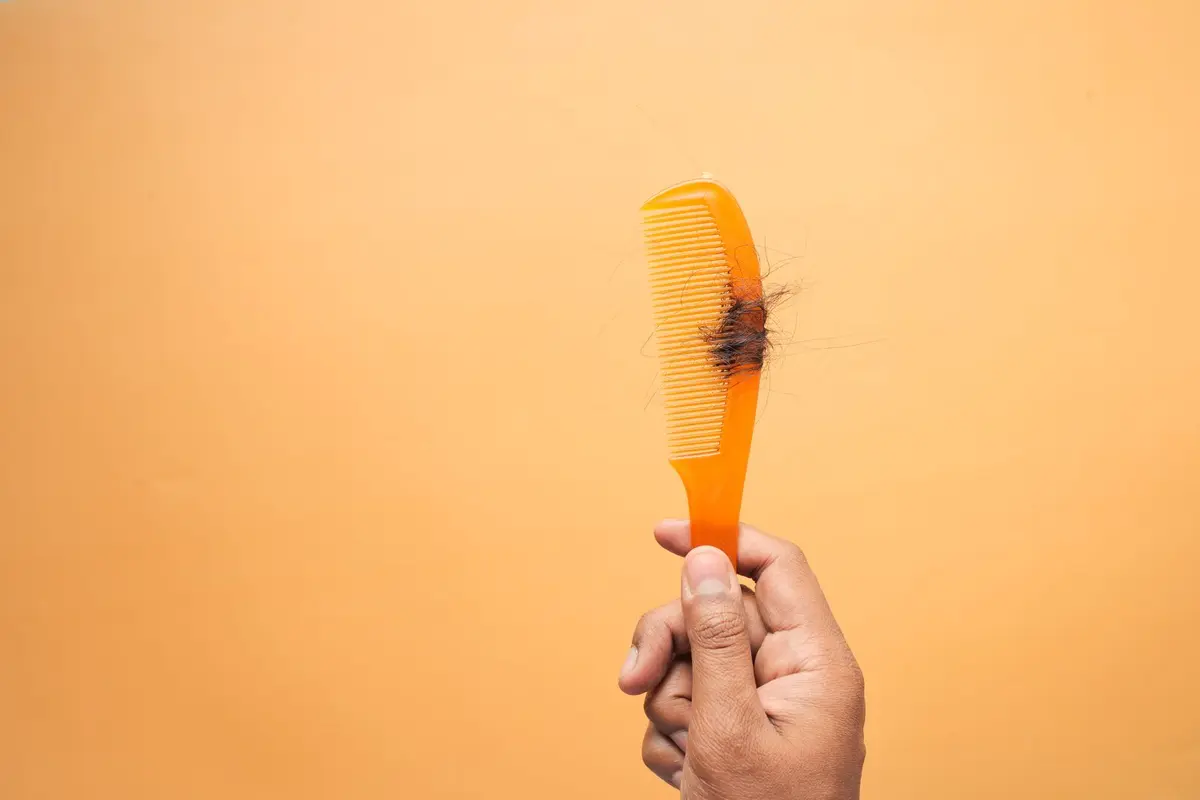
High-porosity hair is defined by an open cuticle structure. While this allows moisture to enter the shaft with ease, it also permits that moisture to exit rapidly, leaving the hair susceptible to snags, rough textures, and frequent knotting. When the cuticle is raised, individual strands hook into one another like Velcro, making aggressive combing a recipe for mechanical breakage.
Effective detangling for this hair type requires a strategy centered on slip and sectioning. By prioritizing hydration and working from the ends toward the roots, you neutralize the structural inclination of the hair to tangle upon itself. This guide outlines the mechanical sequence required to preserve strand integrity.
- Difficulty
- Beginner
- Total time
- 20 minutes
- Cost
- Low
- Cadence
- Weekly or per-wash
Ingredients
- Fatty alcohols: Provide the necessary slip to glide through knots.
- Humectants: Help retain the moisture necessary for strand flexibility.
Tools List
- Wide-tooth comb
- Sectioning clips
- Detangling cream
Step by step
Segment the hair into four manageable quadrants
Divide damp hair into four even sections using sectioning clips. Keeping the hair contained prevents previously detangled sections from intermingling with untouched knots. Work on one quadrant at a time, keeping the remaining three secured to ensure your focus is singular.
Tip: Use your fingers to create clean partings to minimize friction.Apply a slip-heavy detangling medium
Saturate the length of the working section with a conditioner or dedicated detangling spray. High-porosity hair needs the added weight and lubrication to bridge the gaps in the cuticle. Distribute the product evenly with your palms, ensuring it reaches the ends, which are the oldest and most prone to snapping.
Tip: Apply in a downward motion to keep the cuticle smooth.Initiate detangling from the ends
Begin combing at the very bottom of the section, working up in two-inch increments. If your comb encounters resistance, stop immediately and use your fingers to gently pull the strands apart. Never force the comb through a knot, as the tension will cause the fragile, high-porosity hair to snap.
Tip: Listen for the sound of snapping; if you hear it, you are moving too fast.Transition to a medium-toothed tool
Once the ends are clear, move to the mid-lengths. Use a steady, slow stroke to ensure no hidden tangles remain near the center of the shaft. Because the hair is porous, it will naturally want to re-tangle; steady movement maintains the order you have established.
Tip: Keep the section damp throughout this phase.Secure the finished section
After the entire length is smooth, twist the section loosely and clip it back into place. Completing this for all four sections preserves the structure you have just created. This prevents the hair from drying in a tangled state, which is the primary cause of post-wash breakage.
Tip: A loose twist is safer than a tight coil.
Trouble
My hair feels crunchy despite using product.
High-porosity hair loses moisture rapidly. Ensure your detangler is cream-based rather than water-based to provide a lasting barrier.
How much tension is too much?
If you feel the comb tugging at your scalp, you have reached the limit. Stop and re-examine the knot manually.
Should I detangle dry or wet?
Always detangle while damp with a lubricant. Dry detangling on high-porosity hair creates static and leads to cuticle friction.
Why is my hair still tangling after I wash it?
You may not be fully detangling from the ends up. Ensure the last two inches are completely free of knots before moving to the scalp.
Mechanical force is the primary enemy of the porous strand; let the product do the work.
Patience is a tool, not a suggestion.