Restoring Your Shag Cut
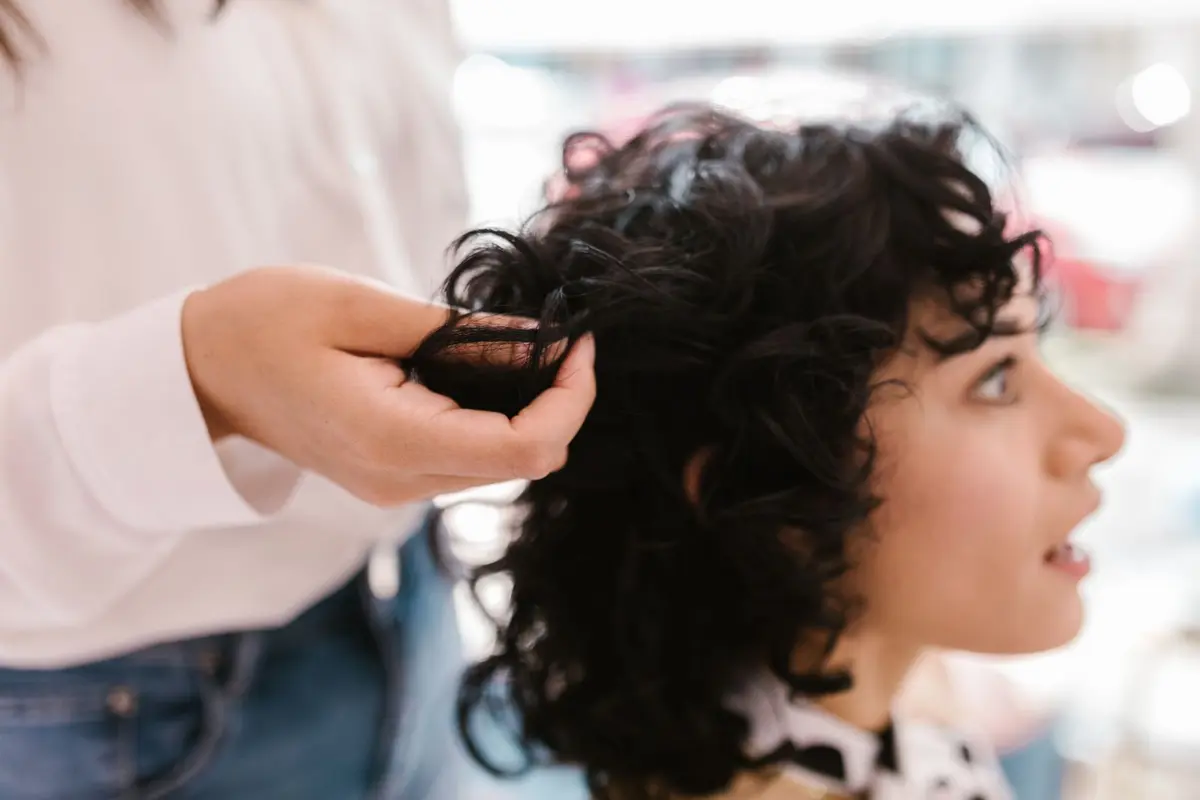
A shag haircut relies on internal graduation and weight removal to create its signature silhouette. When the layers grow out, the hair loses its lift and the ends often become heavy, causing the style to sag into a flat, undefined shape. The loss of structure is usually a result of product buildup or an imbalance in moisture levels.
Restoring the shape does not require a return to the salon chair. Proper styling techniques and the correct application of texture-focused products can revitalize the cut until your next trim.
- Difficulty
- Beginner
- Total time
- 20 minutes
- Cost
- Minimal investment in texturizing product
- Cadence
- Weekly maintenance
Ingredients
- Clay-based paste: Provides matte definition without the weight of waxes or silicones.
- Polymer-based mousse: Builds structural support at the root to prevent sagging.
Tools List
- Clarifying shampoo
- Volumizing mousse
- Diffuser attachment
- Matte texture paste
- Flexible hold hairspray
Step by step
Clarify the roots
Begin by removing weight caused by environmental debris or residual oils. Use a clarifying shampoo focusing only on the roots to avoid stripping the ends. Rinse thoroughly to ensure no residue remains to weigh down the layers.
Tip: Apply conditioner only from the mid-lengths down.Apply root volumizer
While the hair is damp, distribute a lightweight root-lifting mousse to the crown. Use your fingers to lift the hair away from the scalp as you apply to encourage height. Avoid heavy oils or serums that will flatten the style immediately.
Tip: Use a comb to part the hair exactly where you want the volume.Diffuse with intention
Attach a diffuser to your dryer on a low-heat, medium-air setting. Flip your head upside down and gather the ends of the hair into the diffuser cup. Push the dryer toward the roots to create internal movement within the layers.
Tip: Do not brush the hair while it is wet to maintain the layer separation.Work in texture paste
Once the hair is 90 percent dry, take a pea-sized amount of matte texture paste. Rub it between your palms until transparent and then piece out the ends of the layers with your fingertips. This adds definition to the ends and creates the visual interest the shag requires.
Tip: Focus on the pieces framing the face for the most impact.Set with light spray
Finish with a flexible hold hairspray. Hold the bottle at least ten inches from your head to ensure an even, light mist. Avoid heavy lacquers that will cause the layers to clump together and lose their airy quality.
Tip: Lift sections of hair as you spray to build lasting hold.
Trouble
Why does the back of my hair look flat?
The back often suffers from 'pillow-flattening.' Use your fingers to massage the roots at the crown while dry to reactivate the texture.
Should I use oil to fix the ends?
Avoid oils. Oils weigh down the perimeter, which is the opposite of what a shag needs. Stick to dry texture sprays or pastes.
How often can I use clarifying shampoo?
Limit clarifying treatments to once a week. Over-use will dehydrate the ends and make them frizzy rather than piecey.
The layers look disconnected, what is wrong?
You may have over-worked the product. Try a dry shampoo to absorb excess moisture and reset the texture of the hair.
A shag is defined by the separation of its layers, not the length of its hair.
Texture is an architecture, not a feeling. Treat it like one.
Related: shag, cut and style and taper vs fade.