Should You Trim While Growing Out Your Hair?
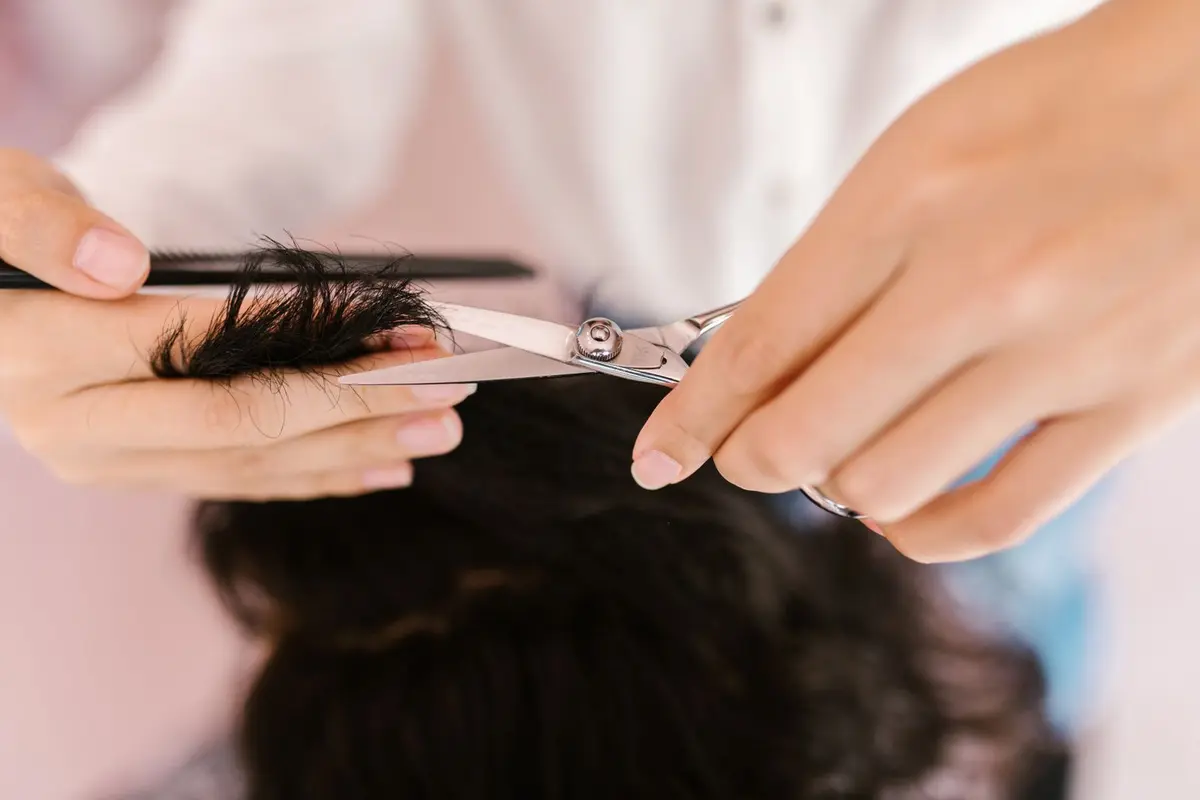
Growing out hair is an exercise in friction reduction and structural maintenance. The common misconception that avoiding the salon increases length is negated by the physical reality of split ends, which travel upward and compromise the integrity of the hair shaft. A strategic trim removes only the damaged material, ensuring that what remains is worth keeping.
The objective is to retain the maximum amount of length while maintaining a clean perimeter. By focusing on targeted removal rather than aesthetic shaping, you preserve the structural health of your hair throughout the transition.
- Difficulty
- Beginner
- Total time
- 15 minutes
- Cost
- Low
- Cadence
- Quarterly
Ingredients
- Clear water: Primary hydration agent
- Silicone-free oil: Sealant to reduce friction on ends
Tools List
- High-carbon steel hair shears
- Sectioning clips
- Wide-tooth detangling comb
Step by step
Prepare the surface
Ensure your hair is thoroughly detangled and dry. Working on wet hair hides the true extent of split ends and can lead to uneven results. Smooth the hair downward to reveal the full length.
Tip: Use a wide-tooth comb for minimal tension.Isolate the ends
Section your hair into manageable quadrants. Take a half-inch section and twist it tightly to expose the loose ends that protrude from the twist. These protruding hairs represent the damage.
Tip: Twist in a consistent direction for uniformity.Execute the micro-trim
Using sharp, dedicated shears, snip only the small hairs that have migrated from the twist. Do not cut into the main body of the section. Focus exclusively on the very tips.
Tip: Keep the blades parallel to the hair strands.Verify the perimeter
Release all sections and check the hemline. If the ends appear jagged or thin, perform a light dusting across the bottom edge to create a blunt, uniform line.
Tip: Take off no more than one-eighth of an inch.
Trouble
How often should I trim?
A general guideline is every twelve to sixteen weeks. Adjust this based on your hair texture and mechanical habits.
Will trimming stop growth?
Hair growth occurs at the follicle level. Trimming does not influence the speed of growth, only the retention of the ends.
What happens if I ignore the damage?
Split ends continue to migrate upward toward the scalp. This creates brittle sections that break off, effectively negating your growth progress.
Can I use standard office scissors?
No. Use only sharpened shears specifically designed for hair. Dull blades create frayed ends, which leads to further splitting.
Healthy length is determined by retention, not the absence of scissors.
Consistency is dull, but effective.