Communicating for Curtain Bangs
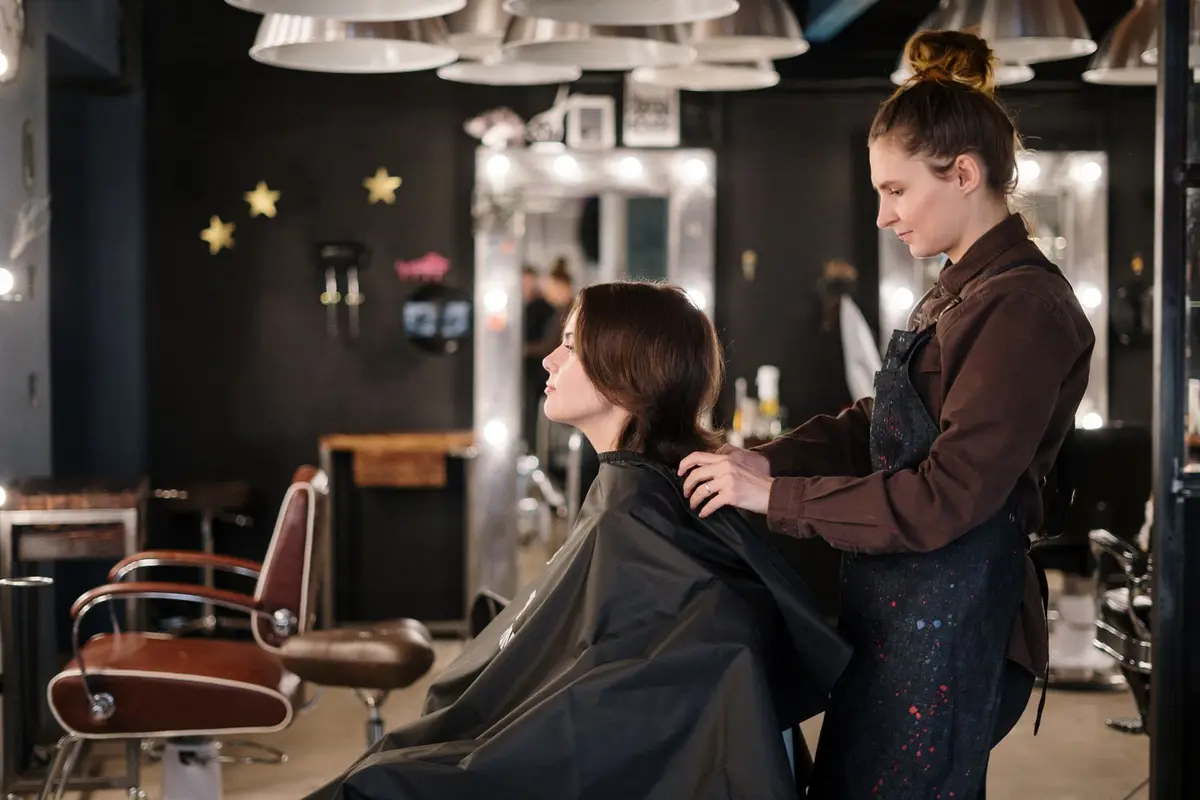
The success of a curtain bang lies in the clarity of the initial consultation. Because hair textures vary significantly, vague descriptions often lead to imprecise results that do not frame the facial features as intended. Providing specific visual and anatomical reference points ensures the stylist understands the desired weight and graduation of the fringe.
This process requires preparation before sitting in the chair. By focusing on length relative to facial landmarks and density preference, you establish a clear brief for the stylist.
- Difficulty
- Beginner
- Total time
- 15 minutes
- Cost
- None
- Cadence
- Quarterly
Ingredients
- Lightweight styling cream: Provides subtle structure
Tools List
- Hand mirror for viewing angles
Step by step
Define your anchor points
Identify the shortest point of the fringe by selecting a facial landmark, such as the bridge of the nose or the cheekbone. Communicate that you want the shortest part to land at this specific location. This prevents accidental over-shortening during the initial cut. Be precise about the transition length into the rest of your hair.
Tip: Use your index finger to point to the desired length on your own face.Specify the density
Curtain bangs require a specific triangular sectioning at the crown to appear balanced. Request that the stylist keep the fringe section narrow if you prefer a subtle look, or wider if you want more coverage. Inform them if you want the bangs to blend seamlessly into your layers or remain distinct.
Tip: Mention if you have a center or deep side part, as this dictates the distribution.Discuss the weight removal
Bangs can appear blunt or wispy depending on the amount of weight removed. Request point-cutting for a softer, blended effect rather than a blunt horizontal line. Clarify if you want the ends to be soft and piecey to avoid a heavy shelf-like appearance.
Tip: Use the term 'texturized' if you want to avoid a thick, blocky fringe.Review the transition
The way the fringe flows into the longer hair is crucial for the curtain effect. Ensure the stylist creates a gradient that avoids a sharp disconnect between the bangs and the rest of your cut. The goal is a seamless sweep that connects with the cheekbones or jawline.
Tip: Check the profile view in the mirror to ensure the flow is consistent.Final check while dry
Never finalize the cut while the hair is wet, as hair retracts when dried. Ask for the final adjustments to be made on dry, styled hair to account for your natural texture. This is the stage where minor refinements to the shape occur to ensure symmetry.
Tip: Verify the length when the hair is parted exactly how you intend to wear it.
Trouble
What if they are too short?
Length cannot be regained until growth occurs. Pin them to the side or incorporate them into your hair with a small amount of styling product until they reach the desired length.
Why do they look different on me?
Texture and hair growth patterns significantly influence how fringe behaves. Adjust your styling method to mirror the natural fall of your hair rather than fighting it.
The fringe is too thick.
Request that your stylist thin the section by removing weight from the internal length. This maintains the width while reducing density.
They won't stay in place.
Your hair may lack the weight to hold the shape. Use a minimal amount of light-hold styling cream to provide structure without stiffness.
A clear description of length relative to facial features minimizes risk.
Focus on the landmarks of your own face, not the photos in the chair.
Related: curtain bangs, choosing your lob and the big chop: preparing for a transition.