Sun Care for Tattooed Skin
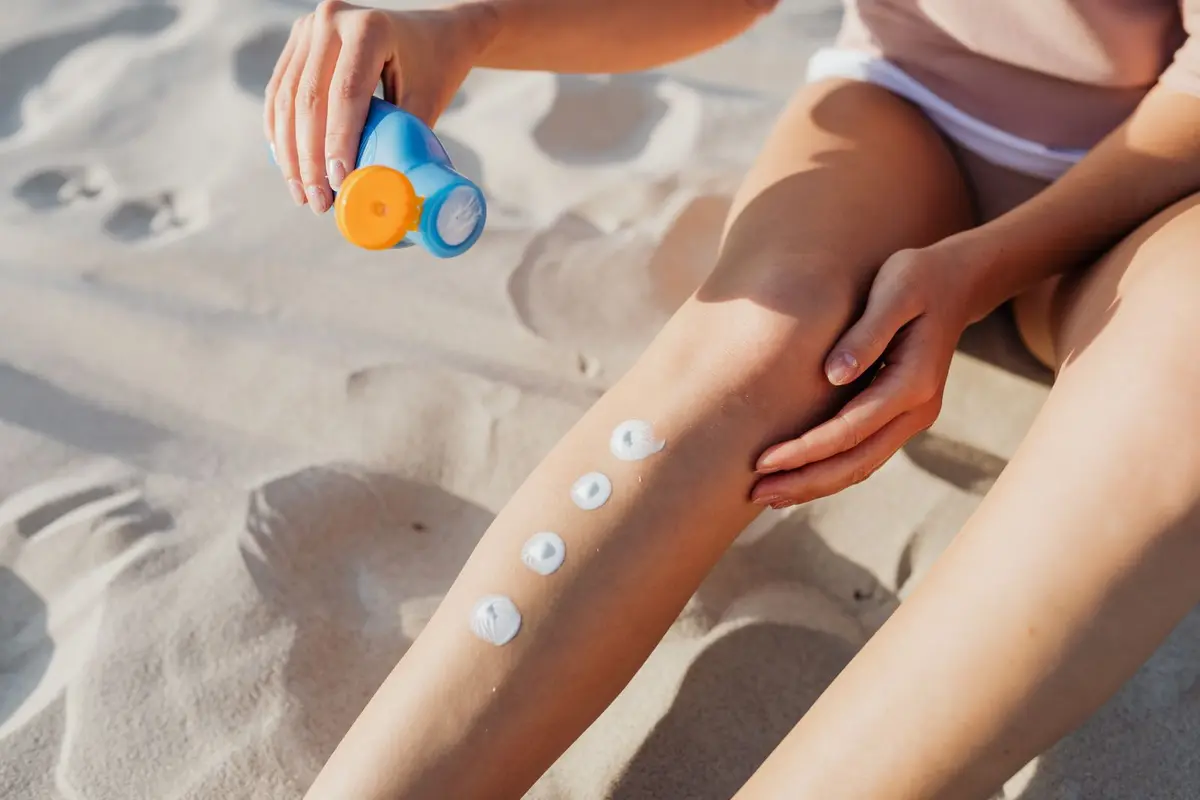
Exposure to ultraviolet radiation is the primary environmental cause of pigment degradation in tattoos. While a healed tattoo is technically beneath the epidermis, the ink remains susceptible to the same light-induced breakdown as the skin cells surrounding it.
Reapplication is not optional when you are outdoors. Using a consistent method ensures that your sunscreen forms a physical barrier that stays intact through sweat and motion.
- Difficulty
- Beginner
- Total time
- 3 minutes
- Cost
- Low
- Cadence
- Every two hours
Ingredients
- Zinc Oxide: Provides a robust physical barrier over dense ink.
Tools List
- High-protection, fragrance-free SPF lotion
Step by step
Clear the surface
Use a damp cloth or a gentle wipe to remove residual sand, salt, or dried sweat from the tattooed area. Debris on the skin creates microscopic gaps in your sun protection film. Allow the area to air dry completely before proceeding to ensure proper adhesion of the product.
Tip: Pat dry, do not scrub the ink.Dispense the product
Squeeze a generous amount of high-protection broad-spectrum lotion into your palm. Avoid aerosols if possible, as they often result in uneven coverage over complex line work. A lotion or cream provides a more visible, tactile confirmation of coverage.
Tip: Use more than you think is necessary.Apply with pressure
Apply the product in a single direction rather than rubbing in frantic circles. Use firm, sweeping motions to ensure the cream settles into the texture of the skin surrounding the tattoo. Focus on the perimeter, where fading often starts due to missed edges.
Tip: Keep the layer opaque initially.Verify the boundary
Inspect the tattoo for any patches of skin that appear dry or shiny. If the tattoo is large, move from the center outward to ensure the entire design is covered. Once the product has settled, avoid touching the area to maintain the integrity of the barrier.
Tip: Check the surrounding skin border.Set the barrier
Allow the sunscreen to set for at least thirty seconds before putting on clothing or returning to water. This brief induction period allows the chemical or physical filters to stabilize on the skin surface. Avoid immediate friction against the area.
Tip: Wait for the shine to stabilize.
Trouble
Does my tattoo need more SPF than my skin?
Yes. Darker pigments absorb more heat, and high-contrast lines are more susceptible to the visual blurring caused by skin thinning or dehydration from UV damage.
What if I miss a spot?
If you notice an unprotected patch, move to the shade immediately. Reapply a fresh, thick layer over the entire area rather than trying to patch the specific spot.
Is a spray better for quick reapplication?
Sprays are convenient but prone to wind dispersal, leading to inconsistent coverage. If you must use a spray, apply it to your hands first and then manually work it into the tattooed skin.
How do I know if the sunscreen is actually working?
If the skin surrounding the tattoo is not changing color, the barrier is holding. If you see signs of pinkness or heat, your application interval is likely too long.
A tattoo is a permanent investment; treat the surface as such to maintain its clarity.
Sunscreen is the only tool that preserves the work done in the studio. Treat it with the same care as the design itself.
See also SPF on tattoos, reapplication on vacation and after-sun care.