Preserving Ink: UV Exposure Management
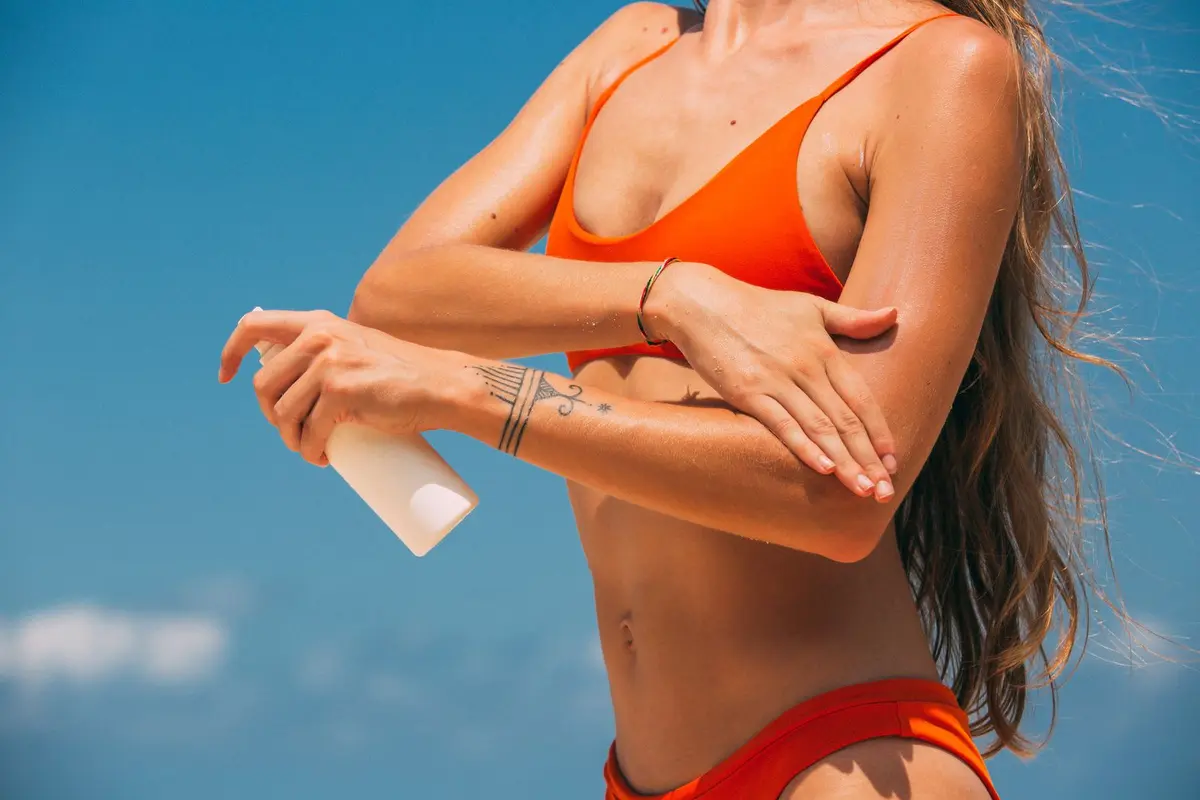
Light pigments, specifically pastels and pale hues, are structurally different from dark saturation in body art. These inks contain higher concentrations of titanium dioxide or lighter bases, which are inherently more susceptible to light-induced fading. UV radiation acts as a breakdown agent, penetrating the dermis and accelerating the dispersion of smaller, lighter particles.
Sun protection is not merely an optional step for those with pale ink; it is the primary factor in determining the longevity and crispness of your art. Establishing a habit of physical barrier protection and consistent hydration preserves the visual integrity of the ink over years.
- Difficulty
- Beginner
- Total time
- 15 minutes daily
- Cost
- Low to moderate
- Cadence
- Daily application
Ingredients
- Zinc Oxide: Provides a physical barrier against UV light.
- Ceramides: Maintains the skin barrier to keep ink stable.
Tools List
- Fragrance-free SPF 50
- Mineral-based sun stick
- UV-protective clothing
- Gentle moisturizer
Step by step
Clean and dry the surface
Before applying any product, ensure the area is free of oils, sweat, or lingering residue from the day. Use a gentle, fragrance-free cleanser and lukewarm water. Pat the area dry with a clean, soft cloth rather than rubbing the skin to avoid irritation.
Tip: Wait two minutes for the skin to air dry completely to ensure optimal product adhesion.Apply high-spectrum protection
Use a generous amount of broad-spectrum SPF 50. Light pigments require a thick, opaque layer to block both UVA and UVB rays effectively. Apply in long, sweeping motions rather than dabbing to create a uniform film over the entire area of the artwork.
Tip: Ensure the edges of the ink are covered by an extra centimeter of product.Layer for physical defense
If you plan to be outdoors, SPF alone is often insufficient for light inks during peak hours. Supplement the cream with a physical layer, such as a lightweight, UV-rated clothing item or a loose fabric cover. Physical blocks provide a constant, reliable shield that does not degrade as quickly as chemical products.
Tip: Natural fibers like linen or cotton work best for breathability.Reapply at regular intervals
Product efficacy wanes throughout the day due to movement and friction. Reapply your SPF every two hours, or immediately after excessive sweating. Even if the ink is covered by clothing, a base layer of sunscreen is recommended for days with high UV intensity.
Tip: Set a recurring alarm on your phone to maintain consistency.Hydrate the skin barrier
At the end of the day, remove the remaining product with a mild cleanser. Follow with a simple, non-comedogenic moisturizer to soothe the area and maintain skin elasticity. Healthy skin holds ink pigment more firmly than dehydrated or compromised skin.
Tip: Avoid exfoliants, as they can pull color from fresh or healing areas.
Trouble
Why is my yellow ink fading faster than others?
Yellow and light pastels have the lowest lightfastness.
Do I need SPF even on cloudy days?
Yes. UVA rays penetrate cloud cover and glass. If you can see light, your tattoo is being exposed to some level of radiation.
Can I use tanning oil over my tattoo?
No. Any product designed to accelerate tanning will directly degrade the ink pigment and disrupt the skin barrier.
My skin feels greasy after constant reapplication. How do I fix this?
Switch to a mineral-based SPF with a matte finish or use a powder-based SPF reapplicator for mid-day touch-ups. These provide protection without the heavy, oily residue.
Consistent protection is the only way to preserve the clarity of light pigment over time.
Sunscreen is not a one-time morning task. Treat it like a persistent necessity.
More: body SPF on tattoos, assessing tattoo healing and sun care for tattooed skin.