A Guide to After-Sun Care
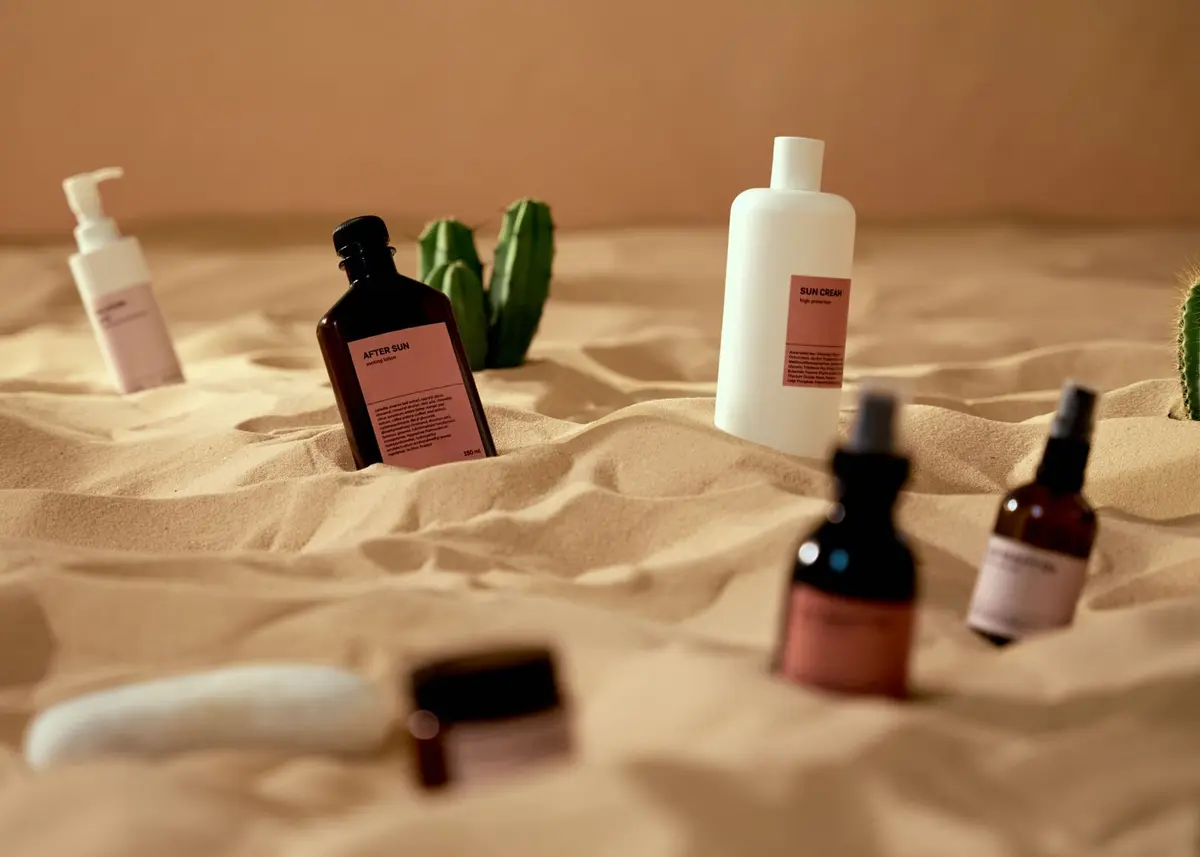
Exposure to ultraviolet light initiates a rapid loss of moisture from the uppermost layer of the epidermis. After-sun products are formulated specifically to counteract this transient dehydration through the inclusion of humectants and emollients. Their primary function is not repair, but the maintenance of surface-level comfort.
These formulations differ from daily body lotions by focusing on cooling sensations and rapid absorption. This guide clarifies the mechanics of these products and how to utilize them for maximum efficiency.
- Difficulty
- Beginner
- Total time
- 15 minutes
- Cost
- Moderate
- Cadence
- Daily for one week
Ingredients
- Aloe Barbadensis: Provides a cooling sensation and water-binding capacity
- Glycerin: A humectant that draws ambient moisture into the surface
Tools List
- Microfiber towel
Step by step
Prepare the skin surface
Begin by washing the skin with cool water to remove residual salt, chlorine, or SPF film. Pat the skin until it is slightly damp rather than dry. This remaining water serves as a base for humectants to draw into the epidermis.
Tip: Use a microfiber cloth for minimal friction.Dispense the product
Pour a generous amount of after-sun gel or lotion into your palms. Because these products often have high water content, a larger volume is required to ensure full coverage. Warm the product between your hands for five seconds before applying.
Tip: Keep the product in the refrigerator for added thermal relief.Apply with long strokes
Use long, continuous strokes to glide the product over exposed areas. Avoid aggressive circular motions, which can increase surface heat through friction. Ensure you have reached the periphery of the exposed areas to avoid uneven texture.
Tip: Apply in a cool, ventilated room.Allow for complete absorption
Wait for the formula to reach a tacky state, which typically takes three minutes. Do not cover the skin with tight clothing until the surface feels entirely dry to the touch. This prevents the product from being wiped away onto fabric.
Tip: Wear loose cotton garments.Seal with a lipid layer
Once the after-sun product has absorbed, follow with a thin layer of a non-occlusive body oil or lightweight cream. This step seals the humectants in place, preventing transepidermal water loss overnight. This is the final step in the maintenance cycle.
Tip: Focus on the shoulders and chest.
Trouble
Why is my skin still feeling tight?
Tightness suggests that the humectants have pulled water into the skin but there is no lipid layer to seal it. Add an oil-based topper to trap the moisture.
Can I use heavy creams instead of gel?
You can, but heavy occlusives may trap residual body heat. Stick to water-based gels for the initial application.
Is it normal for the product to feel sticky?
Minor tackiness is expected as humectants perform their function. If it remains sticky after fifteen minutes, you are likely applying too much product.
How often should this process be repeated?
For optimal maintenance, repeat this routine every evening for seven days following exposure to restore surface hydration balance.
The objective of after-sun care is to replace lost hydration, not to negate exposure.
Consistency is the only metric of success here.