Removing Self-Tan from the Face
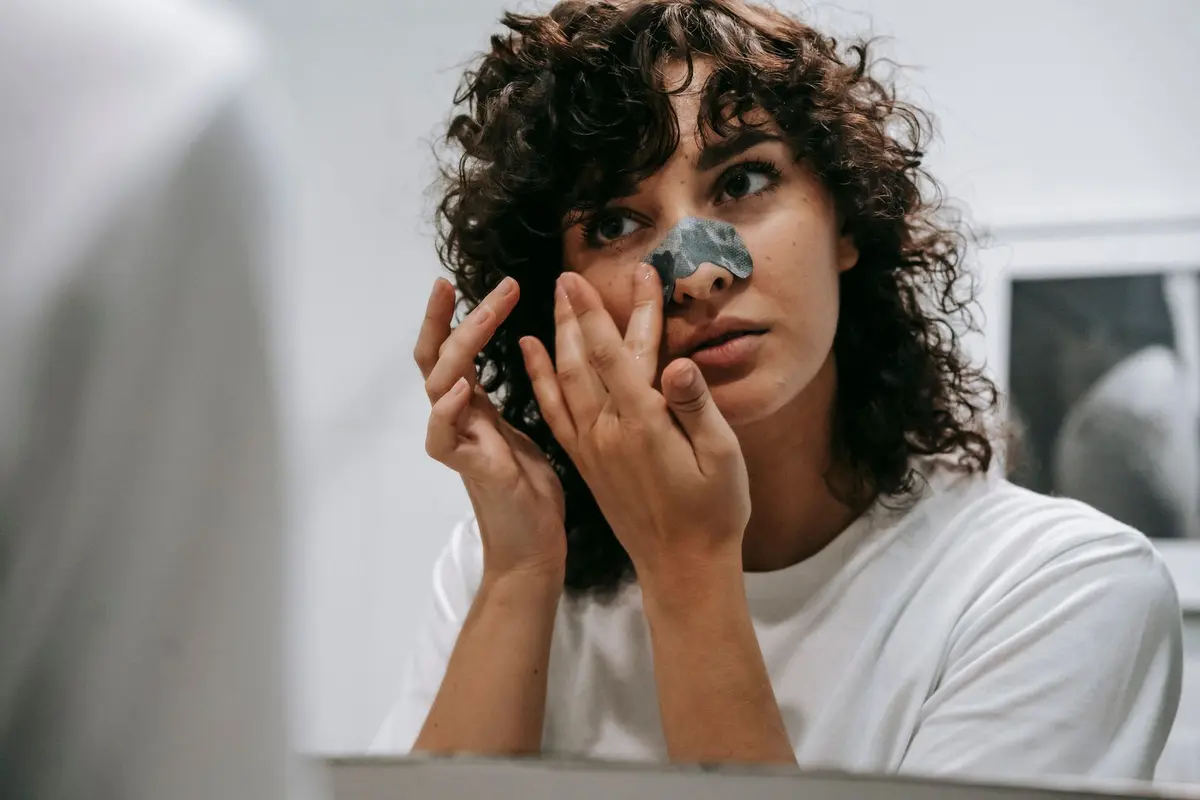
Self-tan develops by reacting with the outermost layer of the epidermis. When an application becomes patchy or settles too deeply into specific zones, removal requires a gentle, oil-based approach rather than aggressive abrasion.
The goal is to dissolve the pigment slowly. By prioritizing lipid-rich agents, you avoid the dryness often associated with traditional exfoliation methods.
- Difficulty
- Beginner
- Total time
- 15 minutes
- Cost
- Low
- Cadence
- Weekly as needed
Ingredients
- Facial oil: Acts as a solvent for pigment molecules.
Tools List
- Non-comedogenic facial oil
- Microfiber washcloth
Step by step
Apply a generous layer of facial oil
Massage a non-comedogenic oil over the areas where the tan is uneven. Allow the oil to sit for three minutes to soften the pigment. Do not rub the skin vigorously during this stage.
Tip: Warm oil between your palms before application.Emulsify with warm water
Splash a small amount of warm water onto your face and continue massaging in circular motions. The oil will turn into a light, milky texture. This physical movement helps lift the loosened color from the skin surface.
Tip: Use water that is warm but not hot.Use a damp, soft cloth
Dampen a microfiber or soft cotton washcloth with lukewarm water. Using very light pressure, wipe the face in long, steady strokes. Focus on the hairline, jawline, and the sides of the nose where pigment tends to pool.
Tip: Use a clean section of the cloth for each swipe.Rehydrate the skin surface
Pat the skin dry with a clean towel. Apply a basic, fragrance-free moisturizer to replace the lipids removed during the process. This step prevents the skin from overproducing oil as a reaction to being stripped.
Tip: Do not skip the moisturizer.
Trouble
Why is the tan not moving?
The pigment may have set too deeply. Avoid scrubbing harder, as this will damage the skin barrier; simply repeat the oil-soak process the following day.
Can I use a washcloth with textured grit?
No. Textured cloths are too abrasive for the delicate facial skin and will likely cause micro-tears or irritation.
Will this remove my entire tan?
It is intended to correct patches or heavy areas. It will fade the tan, but it is not a total removal solution.
How long should I wait between attempts?
Allow at least 24 hours. The skin requires time to restore its natural equilibrium after being cleansed.
Patience is a more effective solvent than friction.
Consistency is better than intensity.