Removing Self-Tan with Lemon Juice
Uneven self-tan application often results in concentrated pigment saturation at the wrists, ankles, and elbows. Removing these excess deposits requires a mild abrasive and a low-pH acidic agent to destabilize the bond between the staining agent and the outermost layer of dead skin cells.
Lemon juice is a traditional, accessible choice for this purpose. When applied with precision, it assists in breaking down the DHA-induced color without requiring harsh physical scrubbing that could compromise the skin surface.
- Difficulty
- Beginner
- Total time
- 15 minutes
- Cost
- Negligible
- Cadence
- As needed
Ingredients
- Citric Acid: Acts as a mild chemical agent to help loosen pigment bonds
Tools List
- Fresh lemon
- Cotton pads
- Soft washcloth
- Fragrance-free moisturizer
Step by step
Clean and dry the affected zone
Begin by washing the skin area with a mild, neutral soap to remove residual oils or lotions. Pat the skin completely dry using a soft cloth, as excess water can interfere with the direct application of the citrus acidity. Ensure no open cuts or abrasions are present in the immediate vicinity.
Tip: Use a warm damp cloth to soften the skin for sixty seconds prior to drying.Apply fresh lemon juice
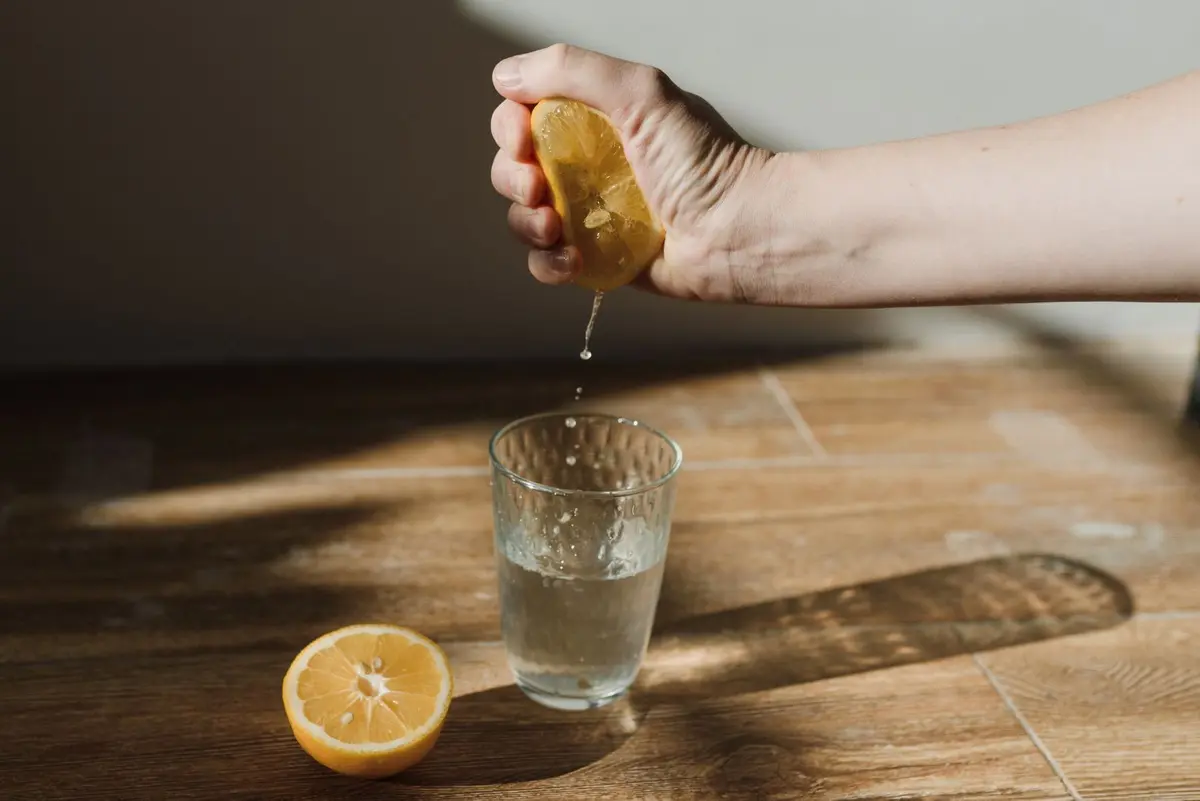
Squeeze half a fresh lemon into a small glass bowl. Dip a clean cotton pad into the juice until saturated, then press the pad firmly onto the over-pigmented area. Allow the juice to sit on the skin surface for exactly three minutes to initiate the breakdown of the pigment.
Tip: Do not rub vigorously during the initial application phase.Remove the loosened pigment
Take a clean, dry washcloth and perform small, circular motions over the treated area. The acidity of the lemon should allow the excess tan to lift from the skin with minimal pressure. Monitor the area closely to ensure you are not removing more pigment than intended.
Tip: Apply steady, consistent pressure rather than rapid friction.Rinse and restore
Thoroughly rinse the area with cool, clear water to remove all traces of citric acid. Pat the area dry with a fresh towel. Apply a non-comedogenic moisturizer immediately to restore the skin's barrier integrity and prevent excessive dryness.
Tip: Rinsing is mandatory to prevent sun sensitivity.Evaluate the results
Check the skin under natural light to determine if the staining has been sufficiently reduced. If a minor trace remains, stop the process and wait until the following day before repeating. Over-processing at this stage can lead to superficial redness.
Tip: Stop when the tone matches the surrounding skin.
Trouble
The stain is still dark after one attempt.
Do not increase the intensity of your scrubbing. The pigment is bound to proteins in the skin and requires time to lift. Repeat the process in twenty-four hours.
Can I leave the lemon juice on longer for faster results?
No. Leaving acidic substances on the skin for extended periods can cause unnecessary dryness and temporary sensitivity. Adhere to the three-minute limit.
The skin looks red after rinsing.
Redness is often a sign of mild irritation from the acid or the friction. Apply a thick layer of plain, fragrance-free moisturizer and allow the skin to recover for forty-eight hours before attempting again.
Is bottled lemon juice as effective as fresh?
Fresh juice is preferred. Bottled versions often contain preservatives or added sugars which do not serve the purpose of pigment reduction and may leave a tacky residue on the skin.
Patience is required; acidity works by degrees, not by instant erasure.
Consistency and gentleness remain the two most vital components of at-home aesthetic adjustments.
See also: streak and stain fixes, does a hot shower fade self-tan faster and self-tan.