Maintaining a Self-Tan with Strategic Moisturization
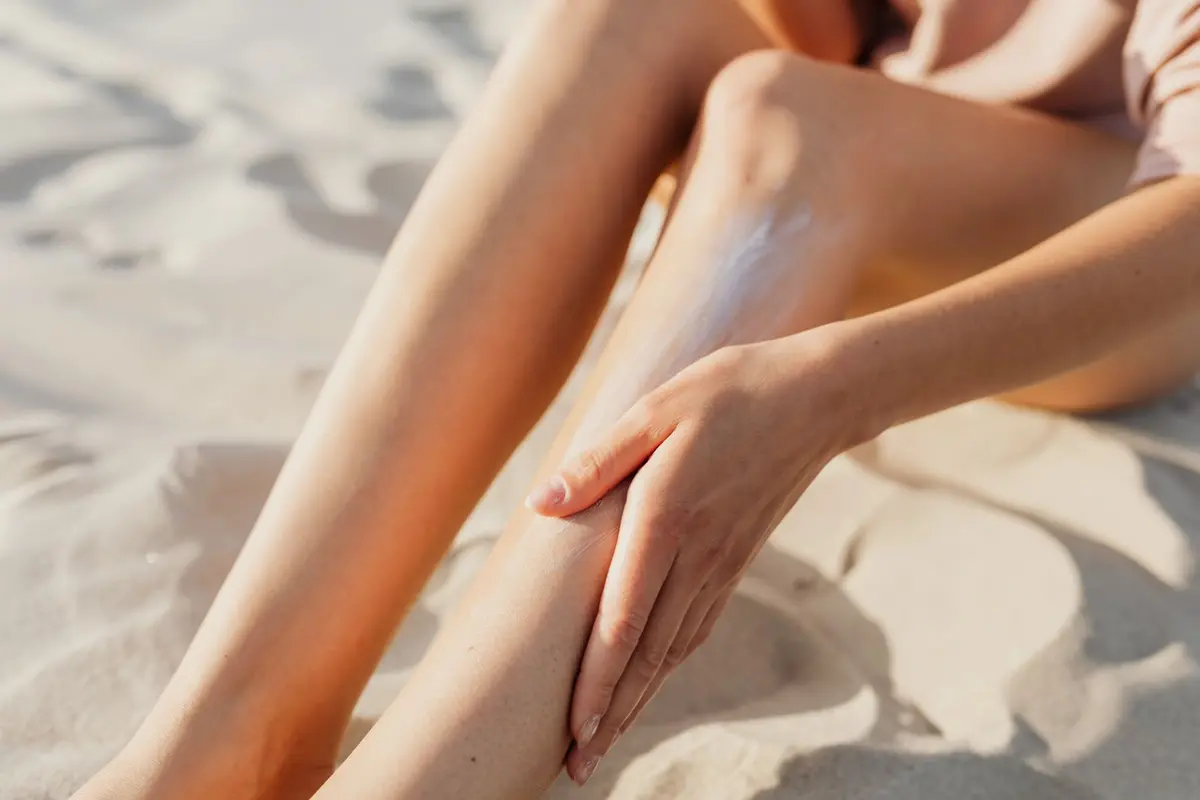
A self-tan typically lasts between five and seven days before it begins to fade. The primary cause of patchiness is the uneven shedding of dead skin cells, which carry the pigment with them. To extend your color, you must focus on maintaining a balanced surface moisture level without using products that accelerate exfoliation.
The secret to a long-lasting tan is not the intensity of the initial application, but the management of the skin surface in the days that follow. Proper moisturization acts as a buffer against friction and water loss, ensuring the color transitions gradually rather than breaking apart.
- Difficulty
- Beginner
- Total time
- 15 minutes daily
- Cost
- Low
- Cadence
- Daily evening application
Ingredients
- Glycerin: A humectant that draws moisture into the skin without greasiness.
- Aloe Vera: Provides soothing hydration without disrupting color.
Tools List
- Water-based body lotion
- Microfiber towel
- Loose-fitting cotton clothing
Step by step
Select a water-based moisturizer
Avoid heavy oils or waxes immediately following your tan application as these can disrupt the development of the DHA. Choose a lightweight, water-based lotion that hydrates without leaving an occlusive, heavy film on the surface. These formulas absorb quickly, preventing the friction that causes tan to lift from the skin.
Tip: Check the label for the absence of mineral oil.Apply on damp skin
Apply your moisturizer while your skin is still slightly damp after a tepid shower. This locks in the moisture and creates a flexible barrier over the pigment. Do not scrub your skin with a towel; pat it dry gently to maintain the integrity of the tan.
Tip: Use a microfiber towel to minimize abrasion.Focus on high-friction areas
Pay extra attention to joints and areas where clothing rubs, such as the inner elbows, ankles, and behind the knees. Apply a thin layer of lotion to these areas twice daily, as they are the first spots where friction will cause the tan to fade prematurely. Consistent hydration here acts as a lubricant to prevent color loss.
Tip: Keep a travel-sized lotion in your bag.Avoid heavy occlusives at night
Before dressing or going to sleep, ensure your skin is completely dry to the touch to prevent transfer. Avoid applying heavy body butters or thick oils that could cause you to sweat or stick to clothing. Excess friction from fabric against slightly tacky skin will cause uneven fading.
Tip: Wait five minutes before dressing.
Trouble
Why is my tan fading in patches?
Patchy fading is usually due to uneven dryness or friction. Increase your moisturizing frequency in those specific areas.
Can I use scented lotions?
Most scented lotions are fine, but ensure they do not contain alpha hydroxy acids which act as chemical exfoliants that remove tan prematurely.
Should I apply moisturizer before the tan?
Only on extremely dry areas like elbows and knees to prevent them from soaking up too much pigment. Do not apply lotion to the entire body before tanning.
Does hot water affect the tan?
Yes, hot water causes the skin to swell and can strip away the top layer of skin cells where the pigment resides. Keep shower temperatures tepid.
Moisture is the anchor that holds your tan to the skin surface for longer.
Hydration is the maintenance phase of tanning that most people skip.