Maintaining a Tan While Swimming
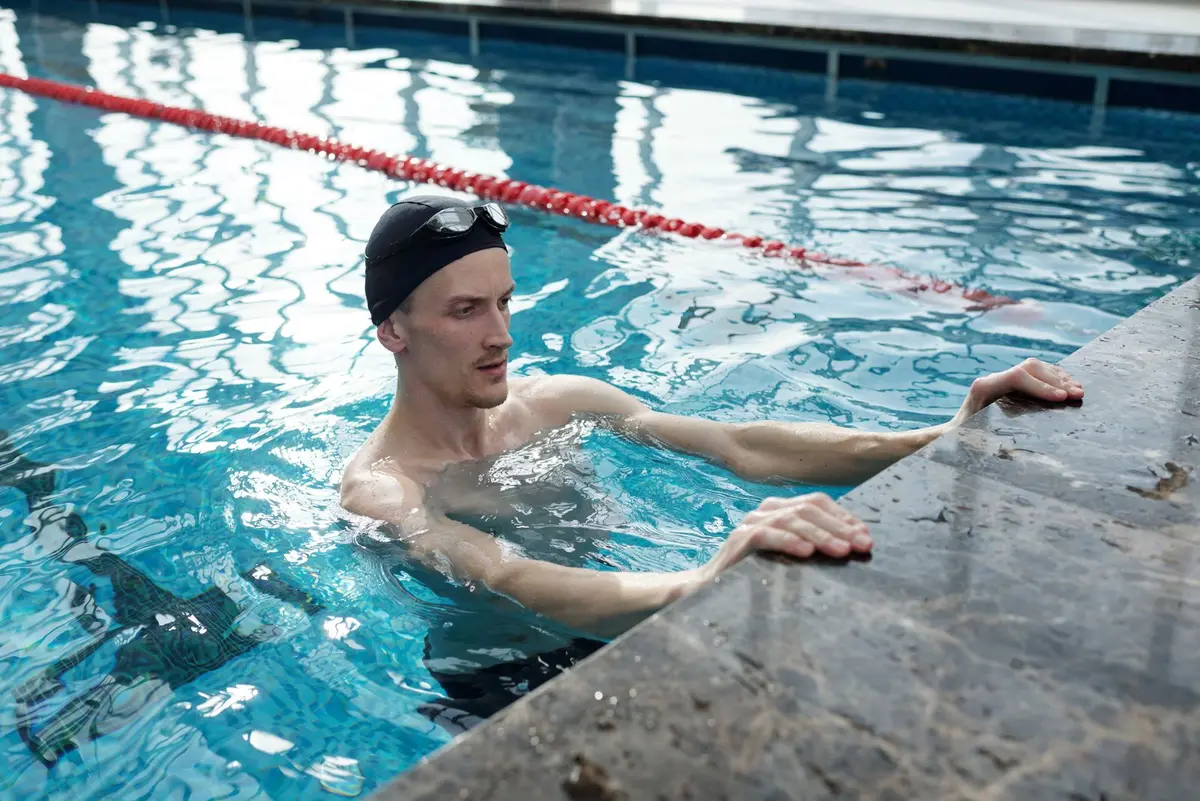
Chlorine acts as a bleaching agent and an exfoliant on the skin. When you submerge in a pool, the chemicals begin to break down the DHA-induced pigment that defines your self-tan.
Without a protective seal, the top layer of your tan will begin to lift unevenly after a single swim session. Managing this requires a focus on moisture barriers rather than heavy reapplication.
Following these protocols will help you minimize patchiness and keep the finish consistent for several days.
- Difficulty
- Beginner
- Total time
- 15 minutes
- Cost
- Low
- Cadence
- Post-swim
Ingredients
- Glycerin: Maintains moisture levels to prevent premature flaking of tanned skin.
- DHA: The active ingredient in self-tanner that interacts with amino acids on the skin.
Tools List
- Lightweight dry oil
- Microfiber towel
- Humectant-based lotion
- Gradual tanning lotion
- Applicator mitt
Step by step
Apply a barrier oil before entry
Before entering the water, apply a lightweight, non-comedogenic oil to your arms and legs. This creates a hydrophobic layer between your skin and the pool water. Allow the oil to absorb for three minutes before putting on your swimsuit. Ensure that areas prone to friction receive a thin, even coat.
Tip: Avoid heavy body butters, which may leave a residue in the pool water.Rinse immediately after swimming
Do not let pool water air-dry on your skin. Once you exit the pool, rinse your skin thoroughly with cool, fresh water to remove residual chlorine. Do not use soap during this post-swim rinse, as it can be overly stripping after chlorine exposure.
Tip: Use a handheld shower head to ensure all creases are cleared of pool chemicals.Pat, do not rub, the skin dry
Take a soft towel and gently pat your skin until it is dry. Rubbing the skin acts as manual exfoliation, which will cause your tan to streak or fade prematurely. Focus on keeping the skin surface undisturbed until you have applied post-swim hydration.
Tip: Use a microfiber towel to minimize surface abrasion.Replenish hydration
Apply a lotion containing humectants like glycerin or hyaluronic acid. Hydrated skin holds onto pigment longer than dehydrated, chlorine-drenched skin. Avoid lotions with high concentrations of alpha-hydroxy acids, as these will further exfoliate the tan.
Tip: Apply the lotion while the skin is slightly damp for better absorption.Extend with a gradual tanner
If you notice minor fading, use a gradual tanning moisturizer to touch up the skin. This adds a small amount of DHA to maintain the color without requiring a full reapplication. Focus on the areas where the tan looks lightest, such as the ankles or forearms.
Tip: Use a mitt to ensure the application remains even.
Trouble
Why is my tan turning patchy after one swim?
You likely did not have a strong enough barrier on the skin before entering the water. The chlorine stripped the pigment unevenly. Next time, ensure the oil layer covers every exposed area.
Can I apply more self-tanner immediately after swimming?
It is not recommended. Your skin needs time to rehydrate after chlorine exposure. Apply moisturizer first and wait at least four hours before adding more tanning product.
Should I shower with soap after swimming?
Only use soap if it is a gentle, pH-balanced cleanser. Harsh detergents will exacerbate the fading process and dry out the skin.
How often should I use the gradual tanner to maintain the look?
Use it every second or third day. Applying it too frequently can lead to buildup, which creates a muddy appearance rather than a natural glow.
The goal is not to stop the chlorine, but to shield the skin from its reach.
Focus on the barrier oil; it is the most effective tool in your kit.
See also extending a tan, gradual tan and streak and stain fixes.