Restoring Winter Shins
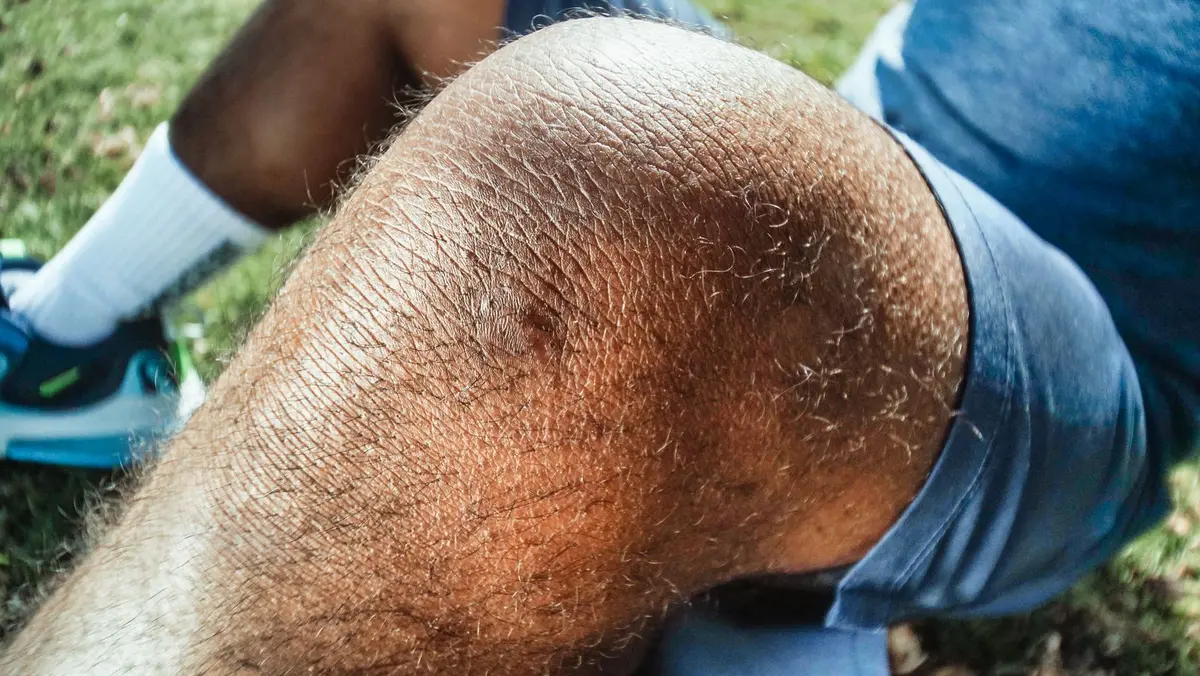
By mid-January, the combination of low indoor humidity and reduced ambient temperature often leads to a noticeable change in lower leg texture. The skin on the shins is thin and possesses fewer oil glands than other parts of the body, making it susceptible to moisture loss during the heating season. This results in a superficial layer of dehydrated cells that feel coarse to the touch.
Correcting this requires a consistent application of occlusive materials and a mechanical adjustment to your bathing habits. It is not an issue that necessitates complex intervention, but rather a matter of physical maintenance.
- Difficulty
- Beginner
- Total time
- 15 minutes
- Cost
- Moderate
- Cadence
- Twice daily
Ingredients
- Shea Butter: Provides a heavy lipid barrier for long-term retention.
- Ceramides: Replenishes the intercellular cement of the skin barrier.
Tools List
- High-lipid moisturizing cream
- Cotton leggings
- Non-foaming body cleanser
Step by step
Regulate bathing temperature
Hot water strips the surface barrier of natural oils, which exacerbates dryness on the legs. Limit showers to lukewarm temperatures and keep them under five minutes. Use a non-foaming body wash to ensure the skin surface is not stripped during the cleansing process.
Tip: Use a timer if you find it difficult to gauge shower duration.Apply moisture to damp skin
Immediately after exiting the bath, pat the skin until it is barely dry but remains cool to the touch. Apply a generous layer of a heavy cream or balm while the pores are still receptive to hydration. This traps the remaining water on the surface of the skin before evaporation can occur.
Tip: Ensure the product contains lipids for effective barrier support.Utilize a physical barrier
Once the cream has absorbed for a minute, cover the shins with soft, loose-fitting cotton leggings or socks. This creates an occlusive environment that prevents moisture from escaping into the dry air of the room. Leave this layer on for at least thirty minutes while the body recovers.
Tip: Cotton is preferred over synthetics to allow for airflow.Reapply in the evening
The skin on the shins requires twice-daily attention during the peak of winter. Repeat the application of the moisturizing product before bed, regardless of whether you bathed in the evening. Consistent saturation is the only way to reverse the cycle of dryness.
Tip: Place your cream on the bedside table to ensure you do not skip this step.
Trouble
Why does my skin feel greasy even though it is dry?
Grease is often a sign that the product is sitting on the surface rather than absorbing. Ensure you are applying to damp skin to improve delivery.
Can I use an exfoliator to remove the rough patches?
Physical abrasion often worsens dryness by further disrupting the surface barrier. Focus on hydration first and allow the skin to soften naturally.
Is the heat in my house the main culprit?
Central heating systems drastically reduce indoor humidity, which draws moisture from the skin. Using a room humidifier alongside these steps helps mitigate environmental factors.
What should I look for on a product label?
Look for heavy-weight ingredients such as shea butter, ceramides, or petroleum jelly. Avoid products that list alcohol as one of the first five ingredients.
Consistent saturation is the only way to reverse the cycle of dryness.
If the texture does not improve with hydration, keep the routine simple. Over-treating the area is a common mistake.
The full cold-month routine is in winter body care; rough patches on joints get their own three-week plan in smoothing rough knees and elbows, and lotion, cream and oil choices are compared across body moisturising.